Lindsey Graham’s Opponent Revealed
Sen. Lindsey Graham scored a decisive victory in South Carolina’s Republican Senate primary Tuesday, securing his party’s nomination and setting up a November showdown against Democrat Annie Andrews.
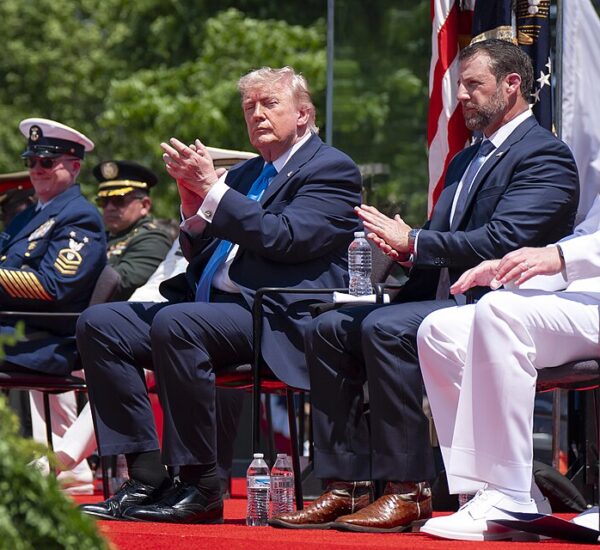
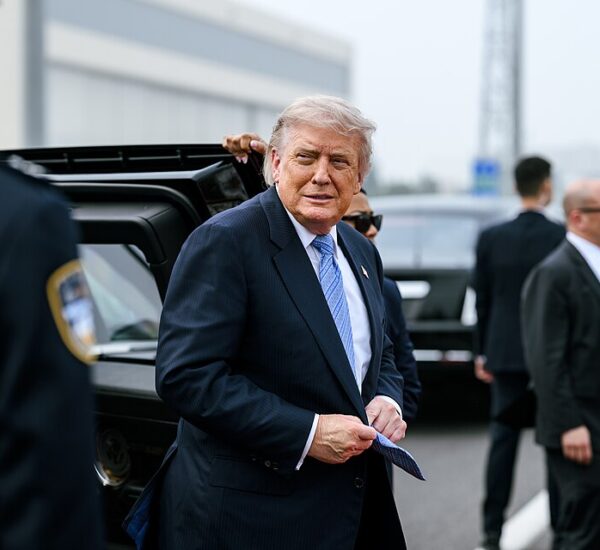
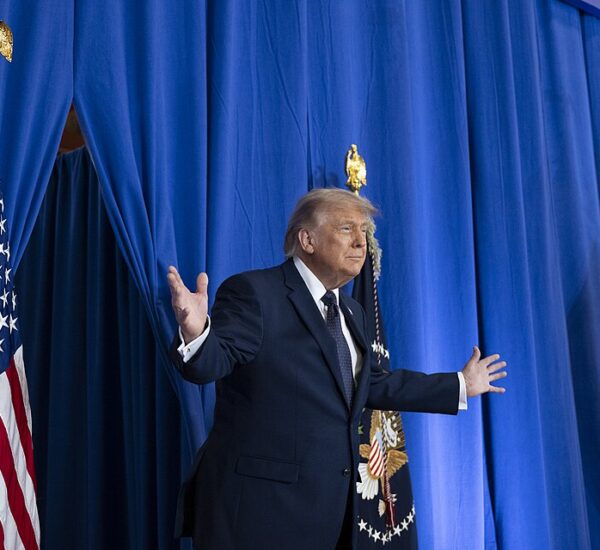
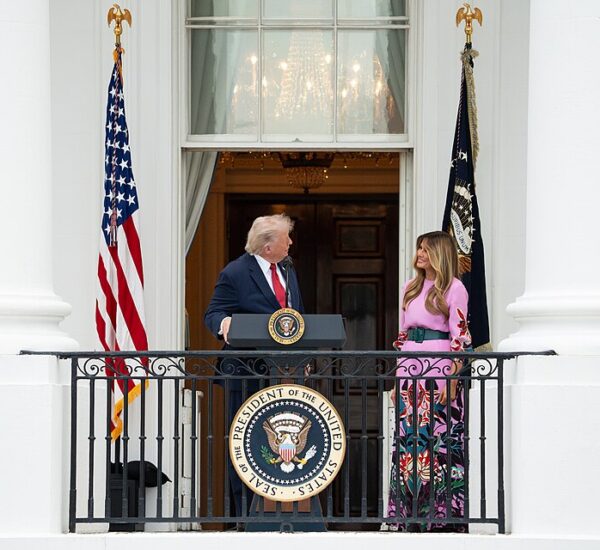
The win represents another successful primary night for President Donald Trump, whose endorsement carried significant weight among Republican voters across the state.
Graham, a four-term senator and one of South Carolina’s most recognizable political figures, avoided a runoff election by winning outright despite facing several challengers from within his own party.
Now, the focus shifts to the general election as Republicans look to maintain their hold on a Senate seat that has remained firmly in GOP hands for decades.
Trump’s Backing Proves Valuable for Graham
Leading up to Election Day, President Trump publicly endorsed Graham and participated in a tele-rally designed to energize Republican voters.
The endorsement highlighted the close relationship the two men have developed over recent years, despite occasional disagreements earlier in Trump’s political career.
Throughout the campaign, Graham frequently pointed to his support for Trump’s agenda and argued that his experience in Washington makes him uniquely positioned to help advance conservative priorities.
For many Republican voters, Trump’s support served as a powerful signal heading into the primary election.
Challengers Sought to Unseat Longtime Senator
Although Graham entered the race as the overwhelming favorite, he still faced criticism from some conservatives who argued that South Carolina needed new leadership in Washington.
Businessman Mark Lynch emerged as one of Graham’s most vocal opponents, campaigning on the idea that fresh voices were needed in the U.S. Senate.
Some critics also questioned Graham’s foreign policy positions, particularly his support for a more assertive American role overseas.
However, Graham’s established political network, fundraising advantage, and decades of experience ultimately proved difficult to overcome.
The senator also benefited from endorsements by several high-profile South Carolina Republicans, including Gov. Henry McMaster and Sen. Tim Scott.
Graham Emphasizes Results and Experience
A central theme of Graham’s campaign was his ability to deliver results for South Carolina.
The senator repeatedly argued that experience matters when navigating the complexities of Washington and securing resources for the state.
Supporters point to his long record in the Senate, his influence on national security issues, and his relationships with Republican leaders as key reasons for his continued success.
Graham has represented South Carolina in the Senate since 2003 and remains one of the state’s most prominent political figures.
His campaign message focused heavily on leadership, economic growth, national security, and support for President Trump’s policy goals.
Annie Andrews Wins Democratic Nomination
On the Democratic side, pediatrician Annie Andrews secured her party’s nomination and will now face Graham in the general election.
Andrews received support from national Democratic organizations and party leaders as she seeks to build momentum heading into November.
Democrats hope changing political dynamics and voter turnout could make the race more competitive than expected.
Still, historical trends suggest the challenge facing Andrews will be significant.
South Carolina Remains Strong Republican Territory
Republicans have dominated statewide federal elections in South Carolina for many years.
The last Democrat elected to the U.S. Senate from the state was Ernest Hollings, who won reelection in 1998.
Since then, Republican candidates have consistently prevailed in statewide Senate contests.
Political analysts continue to rate Graham’s seat as safely Republican, reflecting both the state’s voting history and the senator’s strong political position.
What Graham’s Victory Means Going Forward
Graham’s primary victory provides another example of Trump’s continued influence within the Republican Party.
Candidates endorsed by the president continue to perform well in many Republican primaries across the country, reinforcing Trump’s position as the party’s dominant political figure.
For South Carolina Republicans, Tuesday’s result signals unity heading into the general election and gives Graham several months to focus entirely on the November contest.
While Andrews will attempt to energize Democratic voters and broaden her coalition, Graham enters the next phase of the campaign with significant advantages in fundraising, name recognition, and political support.
As Election Day approaches, South Carolina voters will once again decide whether to send the longtime senator back to Washington for another six-year term.
One thing is clear: Lindsey Graham’s decisive primary victory has strengthened his position and put Republicans in a favorable position heading into November.