Senate Advances Interesting New Bill
In a rare moment of unity, the U.S. Senate voted unanimously on Wednesday to advance a proposal that would halt senators’ paychecks whenever the federal government shuts down.
The 99-0 vote reflects growing frustration in Washington and among everyday Americans who are tired of political games that disrupt government services while lawmakers continue collecting full salaries.
The measure, introduced by John Kennedy, has attracted support from both Republicans and Democrats and is expected to pass the Senate soon.
Senators Could Lose Pay During Shutdowns
Under the proposal, senators would no longer receive their paychecks during a government shutdown.
Instead, their salaries would be held in escrow until Congress passes legislation to reopen the government and restore funding.
Once the shutdown ends, senators would receive the delayed compensation.
For many taxpayers, the proposal reflects a simple principle: if federal workers are forced to go without pay, elected officials should face the same consequences.
John Kennedy: Congress Must Be Held Accountable
Sen. Kennedy said repeated shutdown battles have undermined Americans’ trust in Congress and created unnecessary hardship for government employees.
Speaking on the Senate floor, he delivered a sharp message to his colleagues.
“We ought to hide our heads in a bag. It’s got to stop.”
Kennedy argued that shutting down the federal government should never become Washington’s default response to political disagreements.
Warning About Another Election-Year Shutdown
Kennedy also expressed concern that some Democrats could push for another funding standoff before the midterm elections in an effort to create confusion and instability.
Many conservative voters share the belief that government shutdown threats are often used as political leverage rather than as a serious attempt to solve spending disputes.
Constitutional Rule Delays Implementation
The Twenty-seventh Amendment to the United States Constitution prevents any immediate changes to congressional compensation.
Because of this constitutional safeguard, the policy would not take effect until after the next House election.
That means senators would continue receiving their current salaries until voters head to the polls this fall.
Schumer Supports the Proposal
In a surprising show of bipartisan cooperation, Chuck Schumer announced that he supports the measure.
With backing from leaders in both parties, the proposal appears to have strong momentum.
Government Shutdowns Have Hurt Millions of Americans
Recent funding battles in Washington have caused widespread disruption across the country.
Government shutdowns can lead to:
- Delayed paychecks for federal workers
- Airport security staffing shortages
- National park closures
- Delays in government services
- Increased uncertainty for seniors, veterans, and military families
For Americans living on fixed incomes, especially retirees age 50 and older, these shutdowns create unnecessary stress and concern.
President Trump Protected Essential Workers
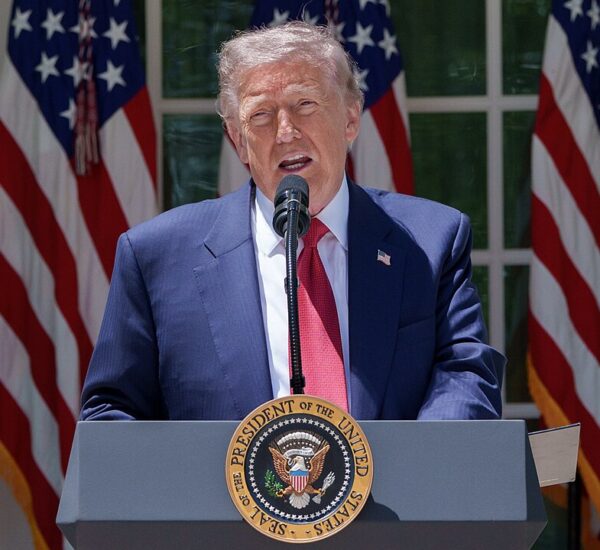
During one recent shutdown, President Donald Trump authorized emergency pay for Transportation Security Administration officers to ensure frontline workers continued receiving compensation.
Supporters praised the move as another example of Trump putting American workers first while Congress struggled to reach a deal.
Why This Matters to Taxpayers
Many Americans have long asked why lawmakers continue collecting pay while federal employees and essential workers bear the burden of Washington dysfunction.
This proposal addresses that frustration directly.
If senators know their own paychecks are on the line, they may have stronger incentives to negotiate responsibly and avoid shutdowns that hurt the country.
Bottom Line
The Senate’s unanimous vote sends a clear message: elected officials should be held accountable when they fail to keep the government running.
For conservative Americans who believe Washington needs more responsibility and less political theater, this reform is a commonsense step toward restoring trust in Congress and protecting hardworking taxpayers.