
Governor Issues New Demand To Next Democrat President
Minnesota Governor Tim Walz is making it clear: if Democrats regain power in Washington, a massive government-run healthcare system could once again take center stage.
In a recent media appearance, Walz urged his party to stop focusing on simply winning elections and instead push aggressively for sweeping policy changes. Chief among them? Universal healthcare—an idea that has long divided Democrats and raised serious concerns among conservatives.
Walz pointed back to the Democratic victories under Barack Obama, suggesting those moments should have been used to push even further left. He also invoked Donald Trump, claiming Trump’s leadership has energized Democrats to pursue more ambitious—and controversial—goals.
His message was blunt: the next Democratic president must find a way to pass universal healthcare, or the party risks falling into the same political traps again.
A Divided Democratic Party Faces a Defining Fight
The push for government-controlled healthcare is nothing new—but it remains deeply controversial, even within the Democratic Party itself.
Senator Bernie Sanders has spent years championing “Medicare for All,” arguing it would replace private insurance with a single, taxpayer-funded system. But not all Democrats agree.
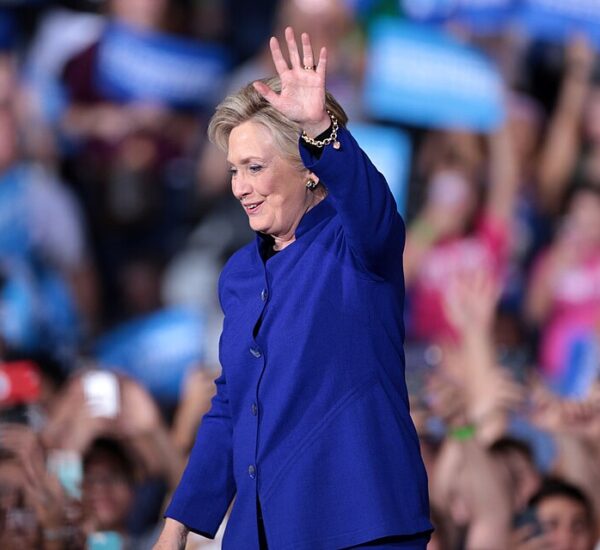
Hillary Clinton dismissed the idea during her 2016 campaign, warning it would never become reality. Joe Biden also pushed back in 2020, citing the enormous cost and even promising a veto if it reached his desk.
That internal divide hasn’t gone away. In fact, it may be growing.
Rising Costs Fuel the Debate
There’s no question that healthcare remains a major concern for American families—especially older voters living on fixed incomes.
Recent polling shows a large majority of Americans believe healthcare has become unaffordable. Many say they want more flexibility, including the ability to change jobs or become self-employed without losing coverage.
But for conservatives, the solution isn’t more government control—it’s more choice, competition, and transparency.
Critics warn that a universal system could lead to longer wait times, reduced quality of care, and higher taxes—issues that have plagued similar systems overseas.
Walz’s Political Future—and What Comes Next
Walz has been gaining national attention in recent years, especially after joining the 2024 Democratic ticket. However, he recently announced he will not seek reelection as governor, as Republicans continue raising concerns about alleged misuse of taxpayer-funded programs in Minnesota.
Now, his latest comments suggest he’s focused on shaping the Democratic Party’s future direction—one that leans heavily toward progressive policies.
The Bottom Line
The battle over healthcare is far from over. With Democrats split between moderates and progressives, the push for universal healthcare could become a defining issue in the next election cycle.
For millions of Americans—especially those who value private healthcare and personal choice—the stakes couldn’t be higher.
I always wondered why there isn’t a $75.00$ 0r $150.00$ bill?