Something major is brewing.
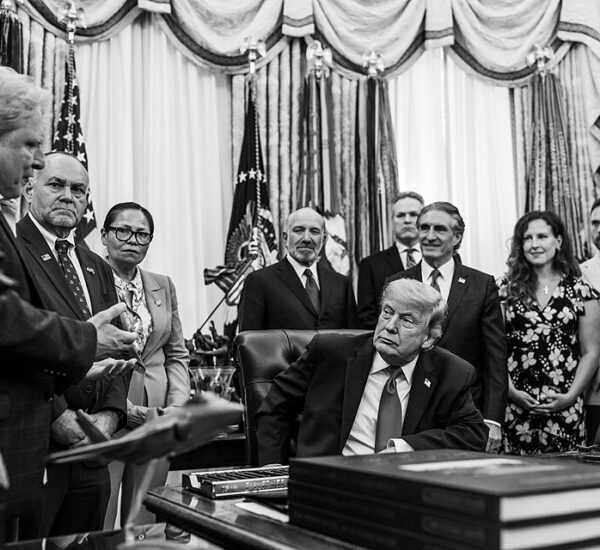
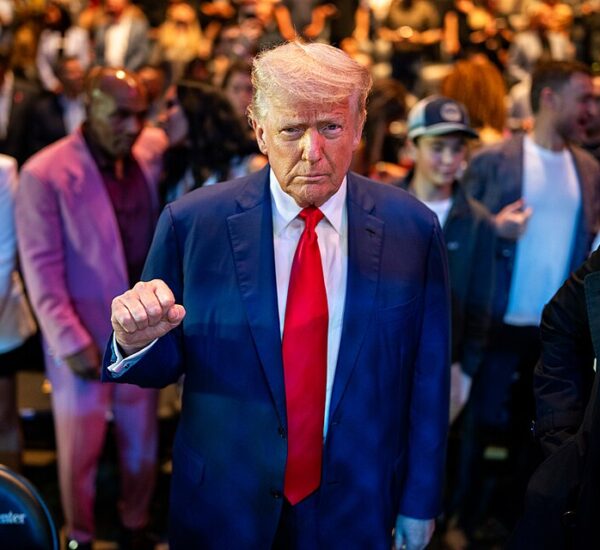
President Donald Trump headed to the White House Situation Room on Friday as tensions surrounding Iran reached a critical stage, signaling that a major decision could soon reshape the future of U.S. national security and stability in the Middle East.
The president announced that he would make a “final determination” regarding a proposed agreement involving Iran’s nuclear program, the Strait of Hormuz, and ongoing efforts to prevent Tehran from obtaining a nuclear weapon.
The development comes after months of heightened tensions, military operations, and intense diplomatic maneuvering between Washington and Tehran.
Trump Focused On Eliminating Nuclear Threat
In a Truth Social post, Trump made it clear that his top priority remains ensuring Iran never acquires a nuclear weapon.
The president revealed that the United States could play a direct role in locating, removing, and destroying highly enriched uranium that remains buried deep underground.
Trump described the material as “nuclear dust” and said America possesses the specialized equipment necessary to safely recover and eliminate it.
According to Trump, the operation would involve coordination with international nuclear inspectors and Iranian officials.
For years, Trump has argued that simply monitoring Iran’s nuclear activities is not enough. Instead, he has pushed for the complete removal of enriched uranium and the dismantling of Iran’s ability to rapidly produce nuclear weapons in the future.
Major Questions Remain
Despite Trump’s optimistic comments, significant questions remain about the proposed agreement.
Reports indicate that previous drafts of the framework did not include a firm commitment from Iran to permanently destroy its enriched uranium stockpile.
Iranian officials also publicly disputed suggestions that any final agreements have already been reached.
A spokesman for Iran’s Foreign Ministry stated that discussions regarding Tehran’s nuclear program have not yet formally begun and insisted that broader disputes involving shipping restrictions and economic sanctions must first be resolved.
The conflicting statements highlight the challenges negotiators continue to face as both sides attempt to find common ground.
Why The Strait Of Hormuz Matters
One of the most important issues under discussion is the future of the Strait of Hormuz.
The narrow waterway serves as one of the world’s most critical shipping routes, carrying a significant portion of global energy supplies.
Any disruption in the region can impact oil markets, fuel prices, international trade, and economic stability.
Under the proposed framework, normal shipping operations would reportedly resume, helping ease concerns about supply disruptions and rising energy costs.
Trump emphasized that unrestricted navigation remains essential to global commerce and regional security.
Trump Takes Different Approach Than Obama
The negotiations also highlight a major difference between Trump’s strategy and the nuclear agreement negotiated during the Obama administration.
Supporters of Trump have long argued that the 2015 deal failed to permanently eliminate Iran’s ability to enrich uranium.
While that agreement imposed restrictions and monitoring requirements, critics maintained that it left open pathways for future nuclear development.
Trump has consistently advocated for stronger safeguards that would completely remove enriched uranium and eliminate Iran’s ability to quickly restart weapons-related activities.
Many national security experts believe such measures would provide a more durable solution to concerns surrounding Iran’s nuclear ambitions.
Cease-Fire Holding As Talks Continue
A cease-fire has remained in place for several weeks, providing negotiators with an opportunity to pursue diplomatic solutions.
The proposed framework would reportedly extend that pause while allowing both sides to continue discussions on unresolved issues.
Additional negotiations could address sanctions, regional military deployments, shipping security, and future nuclear inspections.
Trump also indicated that no financial arrangements are currently part of the proposal, suggesting that economic issues could be addressed separately at a later stage.
High-Stakes Decision Ahead
As Trump entered the Situation Room, attention quickly turned to what his final decision could mean for the United States, Israel, Iran, and the broader Middle East.
Any agreement would mark one of the most significant diplomatic developments since the conflict began and could influence regional stability for years to come.
For now, administration officials continue to evaluate the proposal while maintaining pressure on Tehran to provide stronger guarantees regarding its nuclear program.
The coming days could prove pivotal as the White House weighs whether the framework offers a path toward lasting security or whether additional concessions will be required before any deal moves forward.
With national security, energy markets, and global stability hanging in the balance, Trump’s decision is being closely watched both at home and around the world.