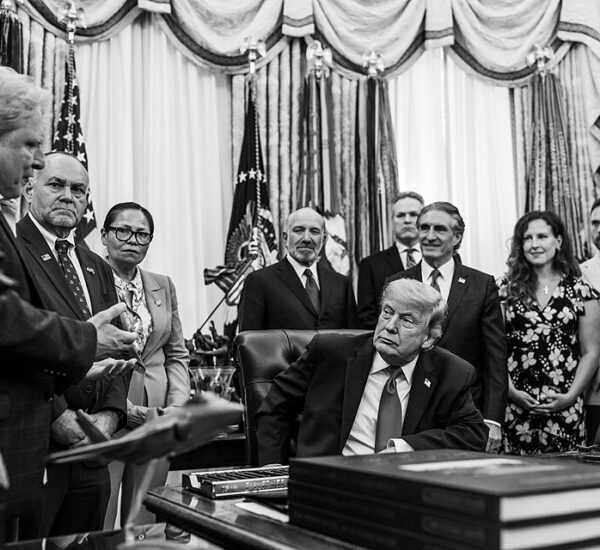
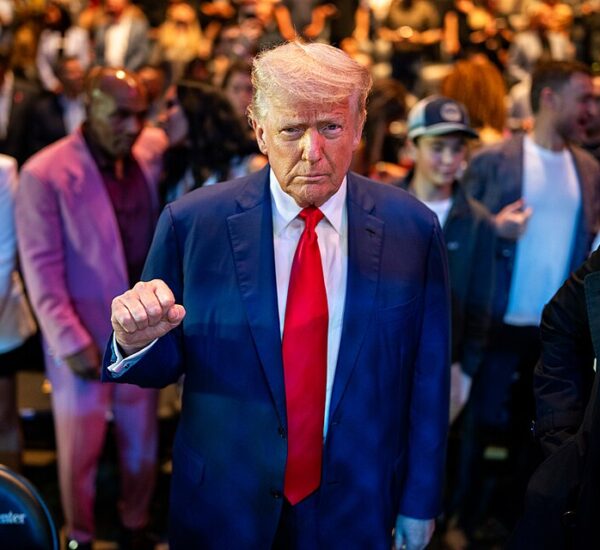
Here’s what President Trump needs to resolve with Americans.
Americans are becoming increasingly worried about the economy as inflation, high gas prices, and global instability continue squeezing family budgets across the country.
A new survey from the University of Michigan shows consumer confidence fell sharply in May, highlighting growing frustration among voters over the rising cost of everyday living.
The university’s consumer sentiment index dropped to 44.8 this month, marking one of the weakest readings in years. The decline reflects deep concerns among Americans struggling with expensive groceries, higher utility bills, and painful prices at the gas pump.
According to survey director Joanna Hsu, many Americans said rising costs are making it harder to stay financially secure. More than half of respondents reportedly pointed to inflation as a direct threat to their personal finances.
Working-class Americans appeared especially concerned. Lower-income households and Americans without college degrees saw some of the steepest declines in confidence, largely because essentials like gasoline, food, and housing now consume a bigger share of monthly income.
The report also showed weakening confidence among Republicans and independent voters, both of whom recorded their lowest economic sentiment levels of President Donald Trump’s second term so far.
Economic concerns have intensified in recent months as turmoil in the Middle East has disrupted global oil markets, helping push fuel prices higher nationwide.
Inflation remains stubbornly elevated despite ongoing efforts from the White House to stabilize prices. Recent Labor Department data showed consumer prices climbed 3.8 percent over the past year, driven largely by increases in housing, energy, and transportation costs.
Meanwhile, Americans are preparing for even higher costs ahead.
The University of Michigan survey found inflation expectations jumped significantly in May, with consumers expecting prices to continue rising over both the short and long term. Many Americans now fear inflation could spread far beyond gasoline and energy prices.
Drivers are already feeling the pressure.
According to AAA, the national average price for a gallon of gas has surged to roughly $4.55, the highest level seen in four years. For retirees, commuters, and families planning summer travel, the spike is creating serious financial strain.
Another warning sign came from a new Gallup survey released Friday.
Roughly three-quarters of Americans said they believe economic conditions are getting worse, while only a small percentage believe things are improving. Just 16 percent rated the economy as “excellent” or “good,” while nearly half described conditions as poor.
For many Americans, especially older voters living on fixed incomes, concerns about inflation remain front and center heading deeper into 2026.
Consumer confidence is closely watched by economists because it often signals whether Americans are likely to keep spending money or start pulling back. Since consumer spending drives much of the U.S. economy, prolonged pessimism can create broader economic challenges in the months ahead.
Hsu warned that many Americans are increasingly concerned inflation may remain a long-term problem rather than a temporary setback.