Here is the updated plain-text article with a new, dedicated section detailing Donald Trump’s influence on the 2028 race, his recent “unbeatable ticket” endorsement, and the ongoing third-term speculation.
Early 2028 Presidential Election Predictions: Top Candidates and Betting Odds
The next race for the White House is already generating massive public interest. Political analysts, prediction markets, and early polling data are shaping the landscape for the 2028 U.S. Presidential Election. Because this cycle features an open field with no incumbent president eligible for re-election, both major parties are anticipating highly competitive primaries.
Here is an analysis of the top projected contenders, early favorability trends, and betting market odds moving into the next election cycle.
Current 2028 Election Consensus and Betting Odds
Prediction markets like Kalshi and early consensus data from political intelligence firms highlight an incredibly tight field. Early polling shows that name recognition handles a lot of the initial weight, but a massive segment of the American electorate remains undecided or persuadable regarding these early frontrunners.
Top Projected Contenders for 2028 (Market Projections and Odds):
- Marco Rubio (Republican): U.S. Secretary of State / Senator — Market Projection: ~19%
- J.D. Vance (Republican): Vice President of the United States — Market Projection: ~16%
- Gavin Newsom (Democratic): Former Governor of California — Market Projection: ~15%
- Josh Shapiro (Democratic): Governor of Pennsylvania — Market Projection: ~13%
- Kamala Harris (Democratic): Former Vice President — Market Projection: ~12%
The Trump Factor: Succession Plans and Third-Term Speculation
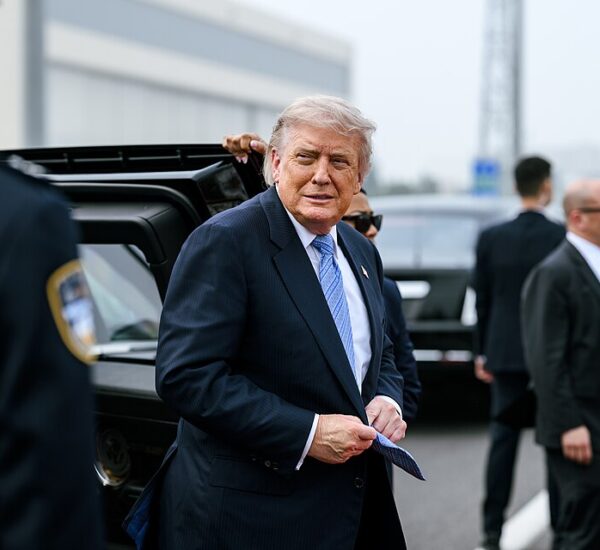
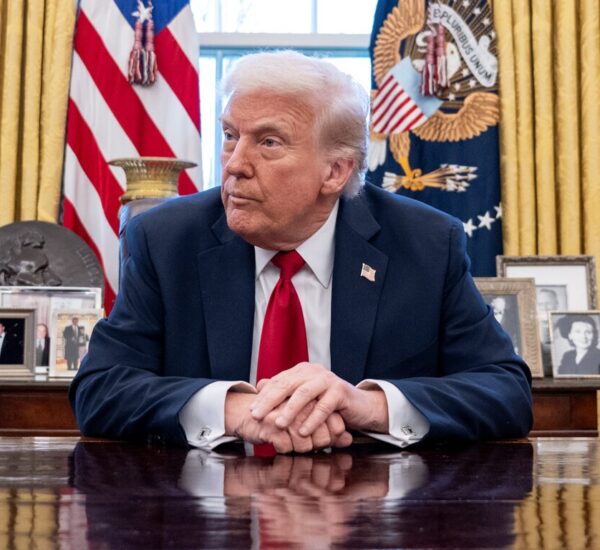
While Donald Trump cannot constitutionally run for re-election due to the 22nd Amendment, his influence completely dominates the 2028 landscape. Trump has heavily fueled speculation about the future of the MAGA movement by weighing in directly on his preferred successors.
In recent interviews, President Trump openly teased his “dream ticket” for 2028, calling a potential partnership between Vice President J.D. Vance and Secretary of State Marco Rubio “unbeatable.” Behind the scenes, polling from political intelligence firms shows Vance holding a dominant 40% lead among core Republican primary voters when backed by Trump’s implicit blessing, while Rubio tracks at roughly 14%.
Additionally, alternative “Trump 2028” media speculation continues to drive massive search traffic. Despite strict constitutional term limits blocking a third term, hypothetical polling—such as a viral matchup pitting Trump against former President Barack Obama—and lighthearted teasing of “Trump 2028” merchandise keep Trump at the center of early election search trends. Whether acting as kingmaker or political disruptor, the road to the GOP nomination goes directly through him.
Republican Primary Outlook: The Next GOP Era
With the Republican party transitioning into its next phase, the primary is expected to be a battle between established national figures and newer populist leaders.
Marco Rubio: Holding a slight edge in early prediction markets, his high-profile foreign policy role as Secretary of State keeps him consistently in the national spotlight and broadens his appeal to establishment moderates.
J.D. Vance: As Vice President, Vance commands a natural base of support among the party faithful and aligns closest with the MAGA base. However, recent voter intelligence data indicates he faces a high unfavorability ceiling (~42%) nationally, meaning his campaign will need to heavily target the 17% of persuadable independent voters to build a broader coalition.
Ron DeSantis: The Florida Governor remains a highly visible figure. Data suggests that while his core base is locked in, nearly 23% of voters nationwide remain unsure about his current platform, leaving room for a potential reset.
Democratic Primary Outlook: A Wide-Open Field
Without an incumbent in the Oval Office, the Democratic primary is wide open, with a distinct divide between progressive coastal leaders and moderate Midwestern governors.
Gavin Newsom: The former California Governor has long been viewed as a standard-bearer for the party’s progressive base and maintains strong fundraising ties, placing him at the top of early Democratic projections.
Josh Shapiro: The Pennsylvania Governor is a major wild card. According to political data firm Resonate, a staggering 42.9% of voters nationwide do not know enough about him yet. However, of those who do, he enjoys a balanced appeal among moderates. If he can build national name recognition, his executive experience in a critical swing state makes him a formidable contender.
Mitch Landrieu: The former New Orleans Mayor and White House infrastructure coordinator has quietly begun testing the waters with Democratic activists, signaling that moderate, infrastructure-focused leaders are searching for a lane.
Key Swing State Dynamics
The path to 270 electoral votes in 2028 will likely run through the same battlegrounds that decided the previous two cycles. Early state-level approval ratings suggest that candidates with regional advantages in the Rust Belt (Pennsylvania, Michigan, Wisconsin) or the Sun Belt (Georgia, Arizona, Nevada) will have a significant edge in securing their party’s nomination.