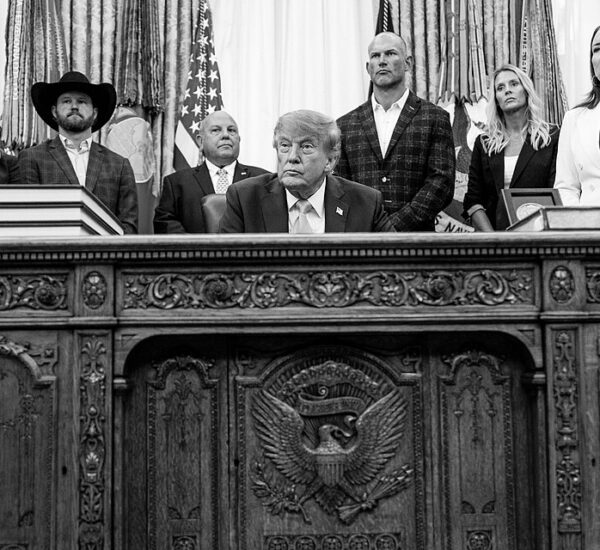
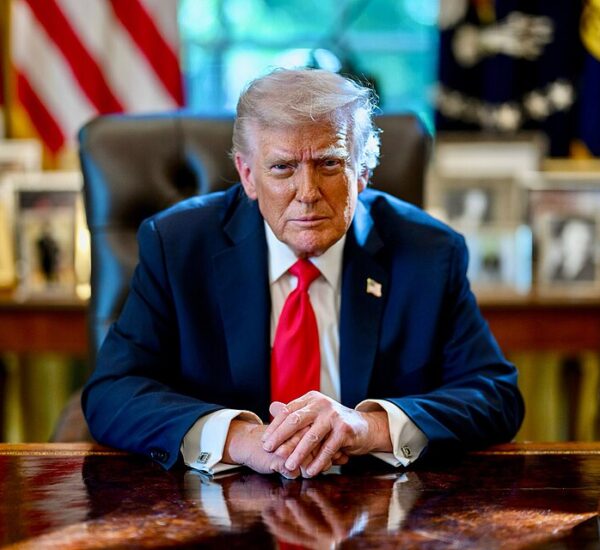
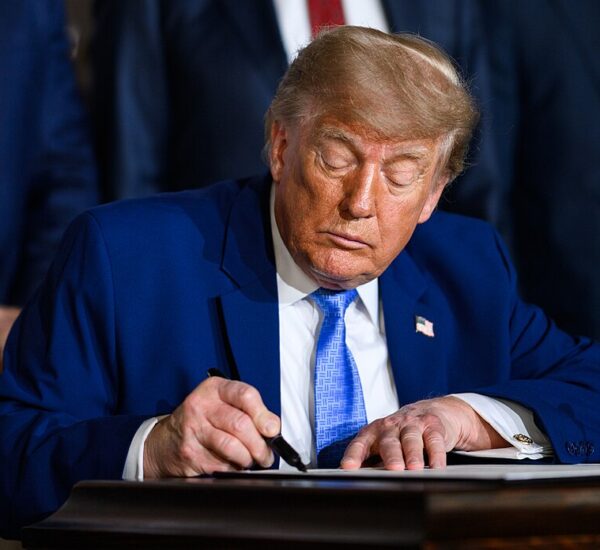
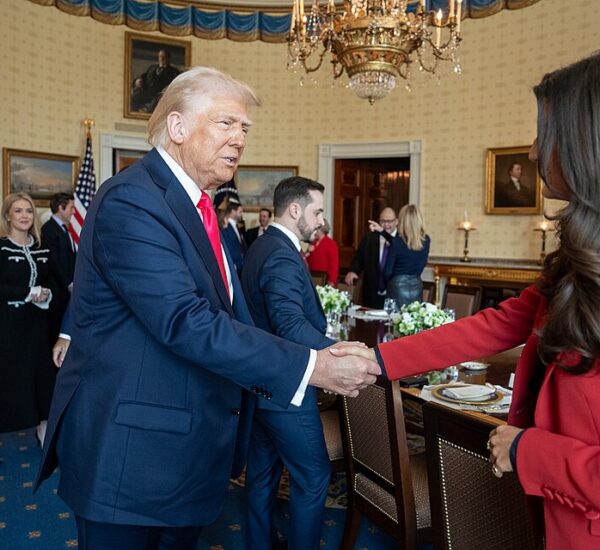
President Donald Trump is backing efforts to bring Bible study and biblical teachings into public school classrooms as Texas moves forward with a new required reading list that includes passages from the New Testament. The Texas State Board of Education approved the curriculum for more than 5 million public school students, making it one of the most significant efforts yet to expand the role of religion in public education.
BACKGROUND
The new reading list includes literary works such as Charles Dickens’ Great Expectations alongside selected Bible passages, with the rollout beginning in elementary schools starting in 2030. Supporters argue that Judeo-Christian traditions played a foundational role in the nation’s history and should be reflected in public school education. Critics contend the curriculum lacks diversity and raises concerns about the constitutional separation of church and state. Texas has already taken several steps to incorporate religion into schools, including allowing public schools to hire chaplains for student counseling, requiring the display of the Ten Commandments in classrooms, and approving an optional Bible-based curriculum.
Democrats To Expand Supreme Court?
Rep. Pramila Jayapal (D-Wash.) says Democrats are continuing discussions about expanding the U.S. Supreme Court, imposing term limits on justices, and adopting stricter ethics rules after the court handed the Trump administration another legal victory on immigration.
Speaking Friday on MSNBC, Jayapal confirmed that proposals to reshape the nation’s highest court remain under active consideration within the Democratic Party.
“Absolutely,” Jayapal said when asked whether Democrats are still discussing increasing the number of Supreme Court justices.
Her remarks came one day after the Supreme Court voted 6-3 to allow the Trump administration to proceed with ending Temporary Protected Status (TPS) for certain Syrian and Haitian migrants while legal challenges continue in federal court.
The ruling marks another significant immigration victory for President Donald Trump as his administration seeks to tighten immigration enforcement and reduce temporary legal protections granted under previous administrations.
Jayapal criticized the decision, arguing it supports the administration’s deportation policies and could have long-term economic and humanitarian consequences.
She also renewed her criticism of the current Supreme Court, saying she believes the justices have moved away from simply interpreting the Constitution and instead are revisiting long-established legal precedents.
The Washington Democrat said several reforms should be considered, including:
- Expanding the Supreme Court beyond its current nine justices.
- Creating term limits for future Supreme Court justices.
- Establishing stronger ethics and transparency requirements similar to those that govern other federal judges.
Jayapal noted that she and Sen. Elizabeth Warren (D-Mass.) have introduced legislation designed to increase ethics and disclosure standards for members of the Supreme Court.
The debate over Supreme Court reform has divided lawmakers for years. Supporters argue that additional reforms would increase accountability and public confidence in the judiciary. Opponents contend that expanding the court could politicize one of the nation’s most important institutions and set a precedent for future administrations to reshape the court whenever political power changes hands.
The issue is expected to remain a major point of debate as the Supreme Court continues ruling on high-profile cases involving immigration, executive authority, federal regulations, and constitutional questions ahead of the 2026 election season.