Someone’s clearly not happy.
President Donald Trump is facing another public dispute with a well-known musician after the White House used one of his songs in a social media video, prompting the artist to demand it be removed.
The latest controversy centers on folk-pop star Noah Kahan, whose song “American Cars” was featured in a White House video highlighting Trump’s visit to a General Motors testing facility in Michigan.
The post quickly gained attention online, with thousands of social media users tagging Kahan and asking whether he had approved the song’s use.
The answer was immediate.
According to Variety, Kahan replied that he would “never approve” of his music being used in support of President Trump or his administration.
Songwriter Noah Levine, who co-wrote “American Cars,” also lashed out at the president with an expletive-filled social media response, insisting the song was never intended to promote Trump.
White House Faces Another Music Dispute
The disagreement is only the latest in a long series of disputes between the Trump administration and musicians whose songs have appeared in political videos or campaign-related content.
Although artists have frequently objected to political figures using their music, the Trump White House has continued sharing videos featuring popular songs, often drawing criticism from performers who disagree with the administration’s policies.
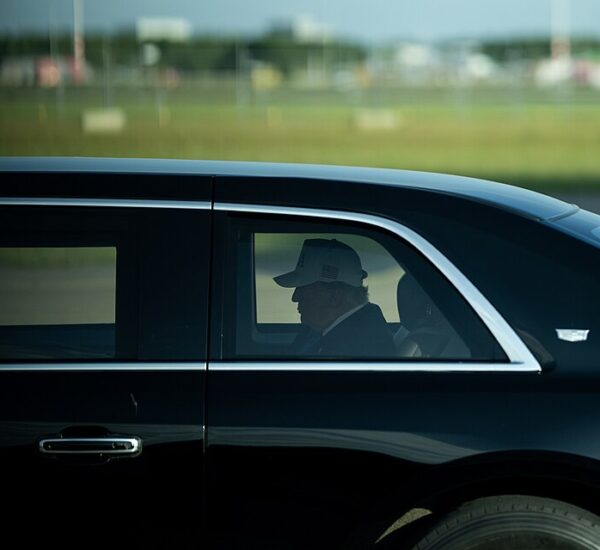
The Michigan video showcased Trump’s tour of a General Motors facility while “American Cars” played in the background.
Neither Kahan nor Levine indicated they had granted permission for the song to be featured.
Other Celebrities Have Also Objected
Kahan joins several other high-profile entertainers who have publicly criticized the White House for using their music.
In late 2025, singer Sabrina Carpenter condemned the administration after her song “Juno” was included in a video showing ICE agents arresting illegal immigrants. Carpenter called the post “evil and disgusting.”
Singer Olivia Rodrigo also objected after the White House and the Department of Homeland Security used one of her songs in a video encouraging illegal immigrants to voluntarily leave the United States.
Rodrigo accused the administration of promoting hateful messaging and demanded that her music not be used. The audio was later removed from the video.
The Department of Homeland Security defended its decision in comments to Fox News Digital.
A DHS spokesperson praised federal law enforcement officers for protecting Americans and suggested Rodrigo thank them for their service instead of criticizing their work.
More recently, Katy Perry criticized the White House after her hit song “Firework” appeared in a video showing U.S. military strikes.
Perry stated publicly that she never approved the use of the song and said she did not support how it was presented.
Noah Kahan Rarely Enters Political Fights
Unlike many celebrities who regularly comment on politics, Kahan has generally focused his public efforts elsewhere.
The Grammy-nominated singer is best known for his chart-topping album “Stick Season” and for promoting better access to mental health care.
He founded the Busyhead Project, a nonprofit organization dedicated to reducing the stigma surrounding mental illness while expanding access to mental health resources.
His work has earned praise across the political spectrum.
Republican Vermont Gov. Phil Scott previously recognized those efforts by proclaiming Sept. 19 as “Noah Kahan’s Busyhead Project Day.”
Debate Over Political Use of Music Continues
The dispute adds another chapter to the ongoing debate over whether politicians should use popular music without an artist’s public endorsement.
While public officials often feature well-known songs in campaign events or government videos, many musicians have objected when their work becomes associated with political causes or elected leaders they oppose.
As President Trump remains one of the country’s most recognizable political figures, similar disputes over music rights and public perception are likely to continue whenever popular songs appear in White House productions.