Here are the facts.
California Governor Gavin Newsom is calling for President Donald Trump to be removed from office following controversial remarks about Iran and two major American cities, triggering a fierce political showdown just weeks before the 2026 midterm elections.
The dispute began after Trump suggested during a Nebraska campaign rally that Iran could “take out” Los Angeles and San Diego while discussing the ongoing conflict with Tehran and the importance of protecting the United States.
The president’s comments immediately sparked criticism from California Democrats, several local officials, and even a Republican congressional candidate.
Newsom responded by demanding action under the 25th Amendment, a constitutional provision that addresses presidential inability to carry out the responsibilities of office.
Meanwhile, the White House strongly defended Trump, arguing that his political opponents were misrepresenting comments intended to emphasize the national security threat posed by Iran.
The escalating disagreement comes at a crucial moment for Republicans and Democrats as they prepare for the November 3 midterm elections.
Newsom Calls for Trump’s Removal From Office
California Governor Gavin Newsom delivered one of his strongest public criticisms of President Trump following the October 5 rally.
Speaking to The Hill on Tuesday, Newsom described the president as “mentally ill” before declaring, “TIME FOR THE 25TH!”
The governor had previously attacked Trump’s remarks on social media, calling the president “deranged and dangerous.”
His response quickly became a major political story, raising questions about presidential leadership, constitutional authority, and the increasingly heated relationship between California’s Democratic officials and the Republican administration.
Newsom has frequently clashed with Trump over immigration enforcement, federal policies, and the direction of the country.
He is also widely viewed as a potential Democratic presidential contender in 2028, making his latest confrontation with the White House especially significant.
However, calling for the 25th Amendment and actually removing a president are two very different things.
The governor has no direct authority to invoke the constitutional process himself.
What Did Trump Say About Los Angeles and San Diego?
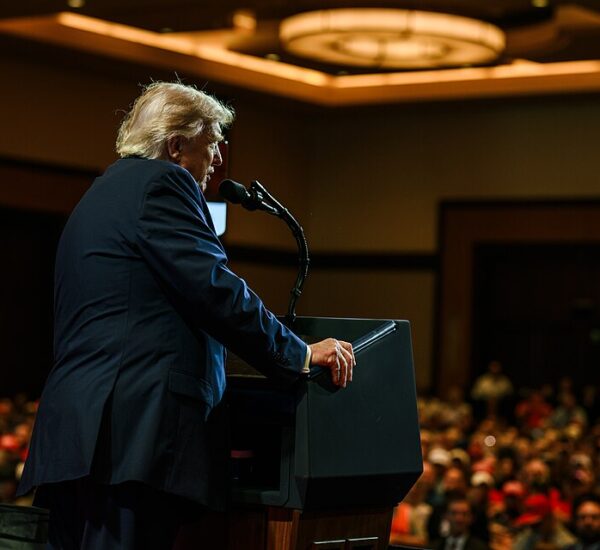
The controversy centers on remarks Trump made while addressing supporters at a Republican campaign rally in Nebraska on Monday.
During his speech, the president discussed the war with Iran, rising costs, and the importance of keeping Americans safe from foreign threats.
Trump argued that the financial burden associated with the conflict was a price worth paying for national security.
He then made a statement suggesting Iran could destroy an American city, specifically mentioning Los Angeles and San Diego.
The comments drew attention because both cities are home to millions of Americans, major businesses, and critical national infrastructure.
San Diego also has a significant military presence, making its security particularly important to America’s defense operations.
California officials interpreted the president’s remarks as suggesting that American communities could be sacrificed during an international conflict.
The White House, however, offered a substantially different explanation.
Administration officials maintained that Trump was describing the potential danger Americans might have faced from a nuclear-armed Iran, rather than advocating an attack on American cities.
That disagreement over the president’s intended meaning has become the central issue in the controversy.
White House Fires Back at Newsom and Democrats
The Trump administration wasted little time responding to the criticism.
White House Communications Director Steven Cheung rejected the interpretation promoted by Newsom and other critics.
Cheung argued that Trump’s statements were intended to demonstrate how dangerous Iran could have become if its nuclear capabilities had not been challenged.
The administration maintains that its military policies have reduced the threat posed by Tehran and strengthened American national security.
White House spokesman Davis Ingle also responded sharply to Newsom, criticizing the California governor’s leadership and judgment.
The exchange reflects the increasingly confrontational political relationship between the Trump administration and Democratic officials in California.
For Trump’s supporters, the larger issue is whether the administration’s approach to Iran has strengthened American security.
For critics, the controversy raises concerns about the president’s rhetoric when discussing the safety of American citizens.
Both arguments are likely to remain prominent as the midterm elections approach.
What Is the 25th Amendment, and Can Democrats Remove Trump?
Newsom’s demand has renewed attention on the 25th Amendment to the United States Constitution.
The amendment establishes procedures for addressing presidential succession and situations in which a president cannot perform the duties of office.
Section 4 outlines a process involving the vice president and a majority of the principal officers of the executive departments.
If they formally declare that a president is unable to discharge the powers and duties of the office, the vice president can assume those responsibilities as acting president.
A president may contest such a declaration, potentially requiring Congress to resolve the disagreement.
Importantly, the 25th Amendment is not a mechanism that governors or congressional Democrats can independently activate simply because they oppose a president’s political statements.
It also differs from impeachment, which involves a separate constitutional process.
There is currently no indication that the formal process for transferring Trump’s presidential authority under Section 4 has begun.
For now, Newsom’s demand remains a political call rather than an official constitutional action.
California Democrats Join the Growing Criticism
Newsom was not alone in condemning the president’s statements.
Los Angeles Mayor Karen Bass warned that the remarks were dangerous and could undermine public safety.
San Diego Mayor Todd Gloria also criticized Trump, objecting to the suggestion that his city could become a target in discussions about the conflict with Iran.
The reactions underscore the importance California officials place on protecting their communities during a period of heightened international tensions.
Los Angeles is one of America’s largest economic centers, while San Diego is a major hub for military operations and national defense.
Both cities also contain substantial residential communities, transportation networks, and essential infrastructure.
The disagreement highlights a broader political debate over how national leaders should discuss military threats and the consequences of international conflicts.
Republican Congressional Candidate Distances Himself From Trump
The criticism did not come exclusively from Democrats.
Jim Desmond, a Republican candidate competing in California’s 48th Congressional District, publicly disagreed with the president’s remarks.
Desmond stated that no American city should be considered expendable and emphasized that American families must never be treated as acceptable losses in a military conflict.
His response attracted attention because Republicans face competitive congressional races across the country.
While many Republican voters strongly support Trump, candidates in politically divided districts must also appeal to independents and voters who do not consistently support either party.
That creates a complicated political challenge.
Republican candidates often want to highlight the administration’s accomplishments on border security, economic policy, military strength, and government spending.
However, controversial statements from national political leaders can sometimes shift attention away from those priorities.
Some Republican strategists have expressed concern that the dispute could become an unnecessary distraction during the final weeks of the campaign.
Others believe Desmond’s willingness to disagree with Trump demonstrates that he can make independent decisions rather than automatically supporting every statement from the White House.
Could the Controversy Hurt Republicans in the Midterm Elections?
The timing of the dispute is particularly important.
Americans are preparing for the November 3, 2026, midterm elections, when control of Congress will be determined.
Republicans are working to maintain their congressional majorities, while Democrats hope to gain enough seats to challenge the president’s legislative agenda.
The conflict between Newsom and Trump gives Democrats another opportunity to criticize the administration’s judgment and foreign policy decisions.
However, it remains unclear whether the controversy will have a lasting effect on voters.
For many Americans, the economy, inflation, household expenses, immigration, and national security remain significant political concerns.
Rising energy costs associated with tensions in the Middle East have also added pressure to families and businesses.
Republicans are likely to emphasize the administration’s arguments about military deterrence and protecting Americans from hostile foreign governments.
Democrats, meanwhile, are expected to focus on the president’s controversial language and questions about the costs and consequences of the conflict.
The political impact may ultimately depend on whether voters consider Trump’s remarks a serious concern or accept the White House’s explanation.
Trump and Newsom Continue Their Political Showdown
The latest confrontation adds another chapter to the political rivalry between Trump and Newsom.
The two leaders have repeatedly disagreed over immigration, federal-state relations, government spending, and other major policy issues.
Newsom has positioned himself as one of the administration’s most vocal Democratic critics.
Trump, meanwhile, has frequently challenged California’s Democratic leadership and accused state officials of mismanagement.
Their disagreements have become increasingly visible as attention begins shifting toward the 2028 presidential election.
Although Newsom has not secured a future presidential nomination, speculation about his national ambitions gives his public clashes with Trump additional political significance.
Still, the immediate focus remains on the upcoming midterms and whether Republicans can keep voters focused on their legislative priorities.
What Happens Next for Trump and the 25th Amendment?
Despite the demands from Newsom and criticism from other Democratic officials, President Trump remains in office.
The White House continues to argue that the president’s remarks were taken out of context and that his central message concerned preventing Iran from threatening American cities.
Democrats maintain that his statements were inappropriate and deserving of public condemnation.
The controversy has also demonstrated that Republicans are not entirely united in their responses, particularly in competitive congressional districts.
With Election Day approaching, both parties will be watching closely to determine whether the issue influences voters.
For the Trump administration, the challenge is keeping attention on national security, economic concerns, and its broader policy agenda.
For Democrats, the dispute offers an opportunity to question presidential judgment and challenge Republicans over their support for the administration.
Ultimately, Newsom’s call for the 25th Amendment does not mean Trump is facing immediate removal from office. But the latest dispute has intensified an already heated political environment as Americans prepare to decide the future direction of Congress.