Trump Comes To Hegseth’s Defense
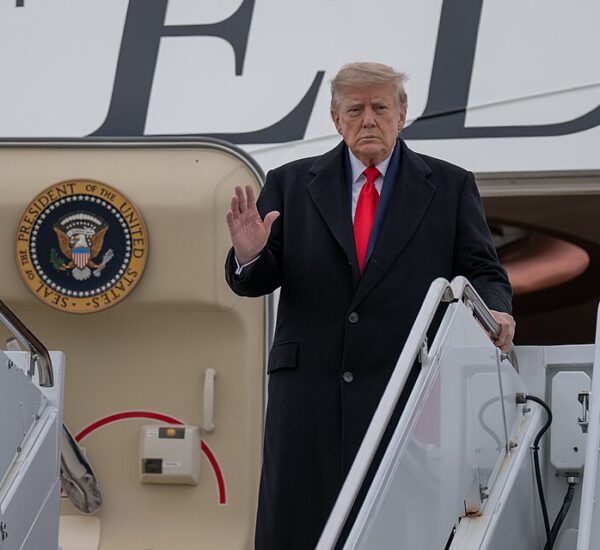
President Donald Trump is standing firmly behind Defense Secretary Pete Hegseth as a new impeachment effort threatens to intensify political tensions in Washington.
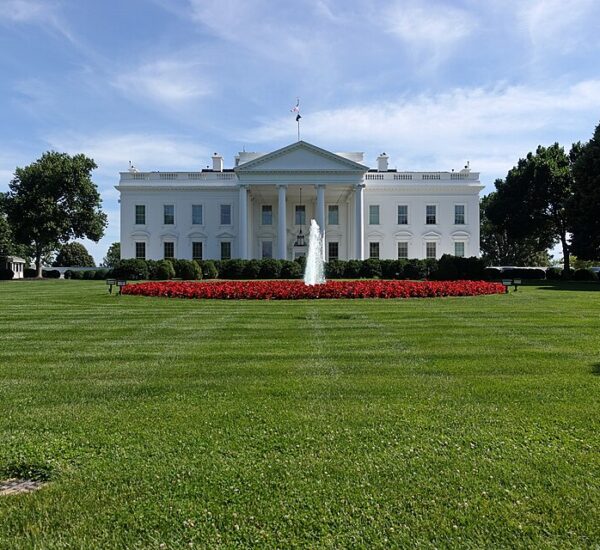
During a White House press briefing Monday, Trump dismissed calls to remove Hegseth from office, praising his leadership of the U.S. military and defending his record on national security.
The president made it clear that he has no intention of abandoning his defense secretary, despite growing criticism from congressional opponents.
“I’ll stand by him. He won two wars,” Trump told reporters, referring to American military operations involving Iran and Venezuela.
Trump credited Hegseth with overseeing significant military operations, arguing that his leadership deserves recognition rather than impeachment proceedings.
The controversy follows a move by Republican Rep. Thomas Massie of Kentucky, who introduced articles of impeachment against Hegseth on Monday.
Massie has accused the defense secretary of exceeding his constitutional authority by carrying out military operations without proper congressional authorization.
His complaints focus primarily on the conflict with Iran, along with American military involvement in Yemen and the operation that resulted in the capture of Venezuelan leader Nicolás Maduro.
Massie argues that the administration’s military decisions raise serious constitutional questions about the separation of powers and Congress’s authority over matters of war.
Trump, however, strongly rejected the Kentucky Republican’s effort.
During his remarks, the president sharply criticized Massie, calling him a “stone cold loser” and questioning his judgment.
Trump also defended Hegseth’s relationship with American service members, insisting that military personnel respect the defense secretary and appreciate his leadership.
According to the president, Hegseth has earned the confidence of those serving in uniform through his commitment to strengthening America’s military capabilities.
The impeachment effort comes at a particularly sensitive moment for Republicans following the 2026 midterm elections, which produced significant Democratic gains and renewed debate over the administration’s foreign policy decisions.
The war with Iran has become a central point of disagreement in Washington, with critics questioning the administration’s military strategy and its constitutional justification for continuing operations.
Supporters of Trump’s approach argue that decisive military action is sometimes necessary to protect American interests and confront international security threats.
Meanwhile, Massie’s impeachment resolution could force House lawmakers to address the allegations within days.
House Republicans may attempt to table the resolution or refer it to the Judiciary Committee rather than allow the impeachment effort to advance immediately.
Even if the House approves impeachment, removing Hegseth would require a two-thirds vote in the Senate following a trial, making his removal a difficult proposition.
The controversy also highlights a broader disagreement within Republican ranks over presidential authority, military intervention, and the constitutional responsibilities of Congress.
While Massie maintains that lawmakers must enforce limits on executive power regardless of party affiliation, Trump has made clear that he views the impeachment push as an attack on a defense secretary he believes has delivered important military successes.
Secretary of State Marco Rubio and other administration officials have also expressed support for Hegseth as the political dispute continues.
For now, Trump’s message remains unmistakable: He believes Hegseth has performed effectively in one of the administration’s most demanding positions and deserves to remain in charge of the nation’s defense.
With Congress preparing to consider the impeachment allegations, the confrontation could become another major political battle over the direction of American foreign policy and the authority of the commander in chief.