Trump’s Pentagon Sued
A major legal battle is unfolding at the Pentagon after two of the nation’s largest federal employee unions filed a lawsuit challenging the Department of War’s decision to cancel most collective bargaining agreements covering its civilian workforce. The case could affect hundreds of thousands of federal employees and represents the latest courtroom fight over the Trump administration’s efforts to reshape the federal government.
The American Federation of Government Employees (AFGE) and the National Federation of Federal Employees (NFFE) filed the lawsuit Thursday in federal court, arguing that War Secretary Pete Hegseth exceeded his legal authority by directing the Pentagon to terminate nearly all collective bargaining agreements.
The unions are asking the court to block the policy and restore the agreements while the case moves forward.
Unions Challenge Hegseth’s Directive
According to the lawsuit, Hegseth issued a memorandum on April 9 instructing Department of War leaders to end most collective bargaining agreements within 24 hours.
Union attorneys argue the department acted unlawfully by abruptly canceling the agreements without providing an adequate legal or factual explanation for such a significant policy change.
The lawsuit contends the Pentagon’s decision violated federal law and failed to meet the standards required under the Administrative Procedure Act. The complaint asks the court to invalidate Hegseth’s directive, calling the department’s actions “arbitrary and capricious.”
Why The Pentagon Ended Collective Bargaining
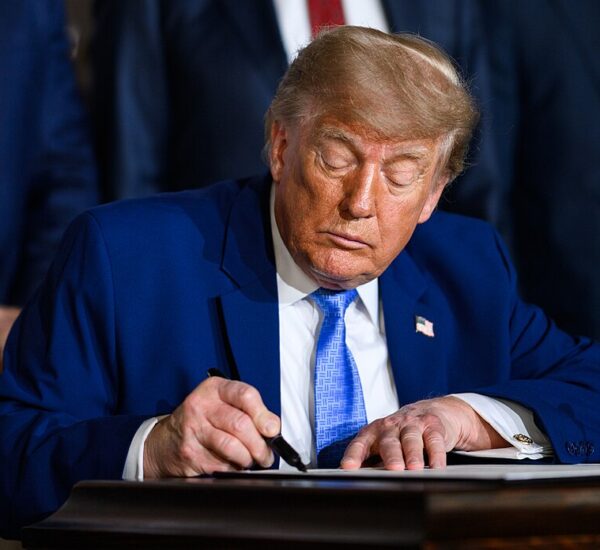
The policy follows President Donald Trump’s executive order exempting federal agencies with national security responsibilities from many collective bargaining requirements.
The Trump administration has argued that reducing union restrictions at national security agencies will improve government efficiency, strengthen accountability, and give department leaders greater flexibility to carry out critical defense missions.
Supporters of the policy say military agencies must be able to respond quickly to changing national security needs without lengthy labor negotiations that could slow decision-making.
Unions Say The Move Was Unlawful
The unions argue the Department of War continued operating under existing labor agreements for roughly a year after President Trump’s executive order before suddenly reversing course this spring.
According to the complaint, the department failed to adequately explain why it changed its position and lacked the legal authority to terminate the agreements in the manner it did.
Union leaders maintain that collective bargaining agreements protect workers’ rights while helping resolve workplace disputes and ensuring consistent employment policies across the federal workforce.
Hundreds Of Thousands Of Workers Could Be Affected
The Department of War is the federal government’s largest civilian employer, with approximately 950,000 civilian employees working at military installations, defense agencies, and support facilities around the world.
If the policy remains in place, the unions say employees across numerous defense organizations could lose collective bargaining protections that have governed workplace issues for years.
The lawsuit is one of several legal challenges filed against the Trump administration’s efforts to scale back the influence of federal employee unions at agencies with national security responsibilities.
What Happens Next
The case will be heard in the U.S. District Court for the District of Columbia, where the unions are seeking both declaratory and injunctive relief to prevent the Pentagon from enforcing the policy while the legal challenge proceeds.
A spokesperson for the Department of War did not immediately respond to requests for comment on the lawsuit.
The court’s eventual decision could have far-reaching consequences for labor relations across the federal government. A ruling in favor of the unions could limit similar actions at other national security agencies, while a victory for the Trump administration could reinforce executive authority over the federal workforce and reshape how labor agreements are handled throughout the government.