Families are getting an unusual form of grocery relief.
Millions of free eggs.
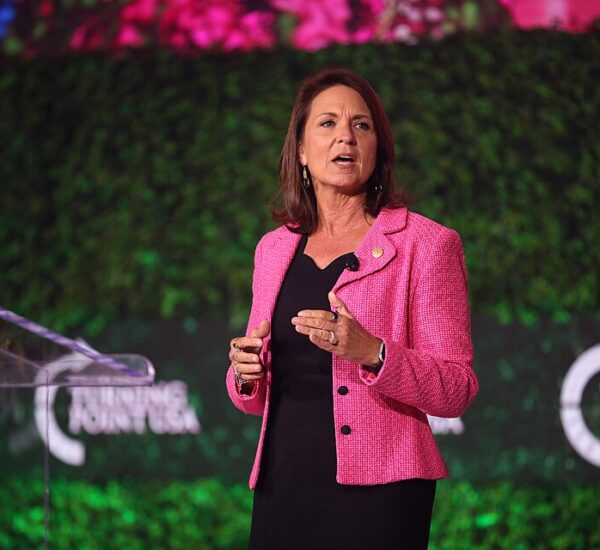
Texas Attorney General Ken Paxton announced that more than 7 million eggs secured through antitrust settlements are being distributed to food banks across the state, bringing one of America’s most closely watched grocery staples back into the spotlight.
The distribution comes as the cost of food, household expenses and the overall economy remain major concerns heading into the 2026 midterm elections.
For families trying to stretch their grocery budgets, the announcement offers something more immediate than another debate over economic statistics: actual food headed to communities across Texas.
7 Million Eggs Going To Texas Food Banks
The egg distribution stems from settlements involving major producers Cal-Maine Foods, Centrum/Versova and Hickman’s Egg Ranch.
Under the agreements, more than 53 million eggs are being provided to food banks and community organizations across participating states. Texas is receiving more than 7 million of them.
More than 1.7 million eggs have already been delivered in Texas, with roughly 5.3 million additional eggs expected to follow.
The settlements also require a combined $3.3 million in payments to participating states.
For consumers who have watched grocery prices fluctuate dramatically in recent years, the announcement puts renewed attention on the price of basic household necessities.
Paxton Focuses On Grocery Costs
Paxton has framed the settlements as both a consumer-protection victory and an opportunity to provide food directly to Texans who need assistance.
The Republican attorney general is also running for the U.S. Senate, making affordability an especially relevant issue as voters prepare for the November elections.
His Democratic opponent, Texas state Rep. James Talarico, has also focused attention on food costs.
Talarico organized a separate “Love Thy Neighbor” food drive in North Texas, collecting donations in communities including Dallas, Plano, Fort Worth and Denton before volunteers began distributing the donated food.
Although the two efforts are separate, both demonstrate how grocery prices and household affordability have become prominent issues in the 2026 campaign.
Why Egg Prices Became A Major Household Issue
Egg prices became a particularly visible symbol of rising grocery expenses after consumers experienced a sharp increase in prices during 2025.
Unlike complicated economic measurements, grocery prices are something Americans encounter personally.
A family may not follow every report about inflation, interest rates or economic growth, but shoppers can immediately notice when the cost of eggs, meat, milk, produce and other essentials changes.
That can be especially important for retirees living on fixed incomes and households carefully managing monthly expenses.
Even relatively small changes in grocery prices can add up over an entire year.
Settlement Followed Antitrust Allegations
The free eggs aren’t simply a government giveaway funded through a new spending program.
They are connected to settlements resulting from an antitrust case involving the egg industry.
The U.S. Department of Justice and a coalition of state attorneys general filed a civil lawsuit alleging that major egg producers coordinated activity involving an industry pricing benchmark.
Authorities alleged that the conduct contributed to artificially higher egg prices between 2022 and 2025.
The companies entered proposed settlements in connection with the case. The agreements include egg donations, monetary payments and provisions intended to address the conduct alleged by authorities.
Cost Of Living Takes Center Stage
The timing is significant because economic concerns remain prominent among voters.
A July 2026 Pew Research Center survey asked registered voters what issues they most wanted congressional candidates to discuss during the midterm campaign.
Economic matters topped the responses.
Overall, 29% mentioned an economic issue, including 15% who specifically pointed to affordability and the cost of living.
Those concerns extend well beyond eggs.
American households continue to pay close attention to expenses involving groceries, housing, health care, utilities, transportation and other necessities.
That creates a straightforward challenge for candidates in both parties: voters want to know what elected officials intend to do about the expenses affecting their household budgets.
Food Banks Prepare To Distribute The Eggs
Feeding Texas is working with food banks to distribute the eggs across the state.
That means the settlement will ultimately reach communities through organizations already accustomed to providing food assistance.
For families receiving the eggs, the political arguments surrounding the case may matter less than the practical benefit of getting additional groceries.
For elected officials and candidates, however, the episode underscores a larger issue likely to remain prominent throughout the midterm campaign.
Grocery Bills Could Remain A Major 2026 Issue
Americans have repeatedly experienced periods of higher prices during the past several years, making affordability an important part of the national economic debate.
The Texas egg settlement combines several issues that directly affect consumers: grocery prices, competition, household budgets, food assistance and government enforcement of antitrust laws.
Whether millions of free eggs have any meaningful effect on the broader political debate remains to be seen.
But the immediate result is clear.
More than 7 million eggs are being directed to Texas food banks, potentially providing some grocery relief to families at a time when the cost of everyday necessities remains closely watched.
And with the 2026 midterms approaching, both Republicans and Democrats are making it increasingly clear that affordability and the cost of living will remain central subjects of the campaign.