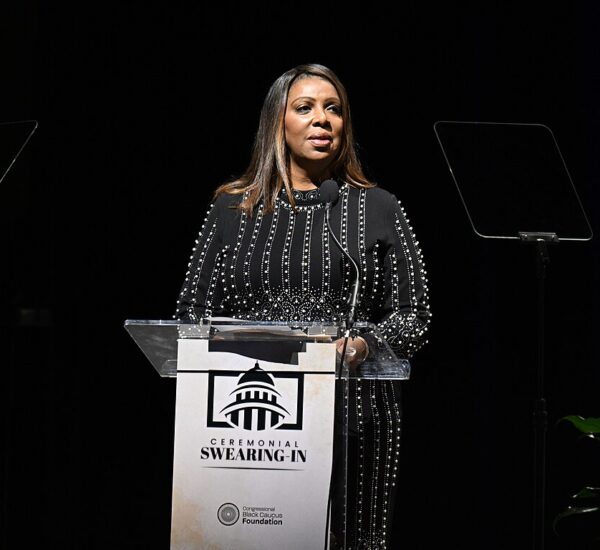
Collins appears to have a personal gripe against Trump and his administration.
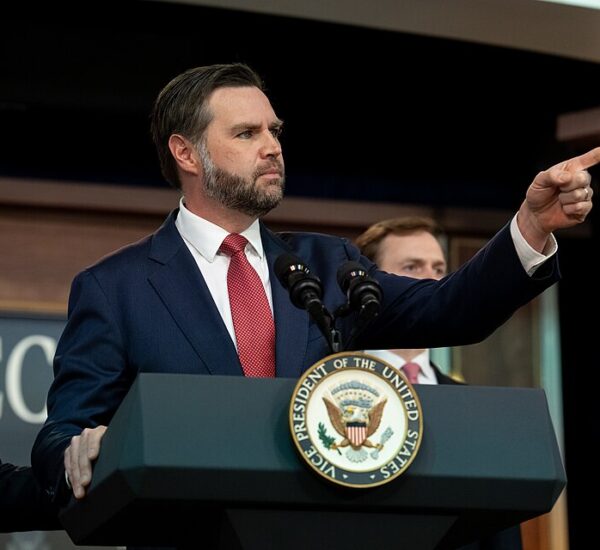
CNN’s Kaitlan Collins confronted Vice President JD Vance over President Donald Trump’s positive assessment of the U.S. economy, questioning whether the administration deserves an A+ rating while millions of Americans continue facing higher gasoline prices, inflation, and expensive mortgages.
The pointed exchange unfolded Thursday as Vance defended the Trump administration’s economic policies, highlighting efforts to bring manufacturing jobs back to the United States, attract major investments, and protect American workers.
Collins challenged the administration’s record by focusing on the financial pressures facing American households. Vance, however, argued that Trump’s economic strategy is designed to deliver lasting prosperity rather than temporary improvements.
The confrontation comes at a critical time, with the November midterm elections approaching and the economy remaining a central concern for voters nationwide.
Kaitlan Collins Challenges Trump’s A+ Economic Rating
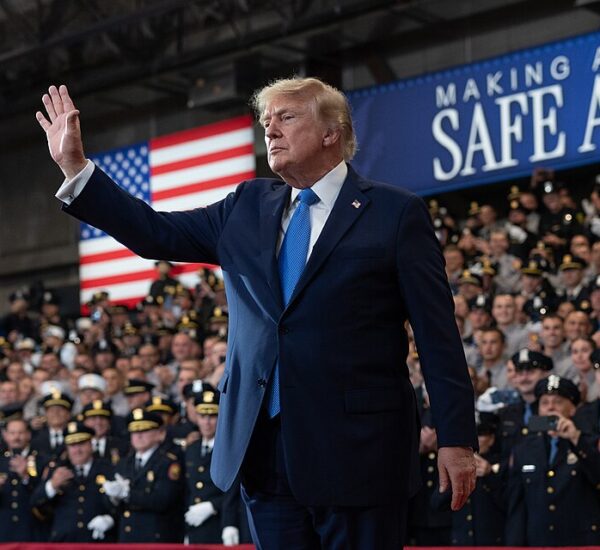
During Thursday’s questioning, Collins pressed Vance about Trump’s decision to award his administration an A+ for its economic performance.
The CNN journalist pointed to rising inflation, gasoline prices, and mortgage rates, questioning how the White House could justify such a high grade under current economic conditions.
Her question reflected the ongoing disagreement between the administration and its critics over how to measure economic success.
According to figures cited in the exchange’s coverage, annual inflation stands at approximately 3.6%, compared with roughly 3% when Trump returned to office.
Meanwhile, gasoline prices have reached approximately $4.40 per gallon nationally, creating additional financial pressure for drivers and businesses.
Mortgage rates have also increased slightly during Trump’s second term, complicating the housing market for prospective buyers.
For many Americans, these numbers represent more than economic statistics. They influence household budgets, retirement planning, transportation expenses, and the overall cost of maintaining financial independence.
But Vance was quick to defend the administration’s record.
JD Vance Fires Back With Defense of Trump’s Economy
Rather than accepting Collins’ criticism, Vance emphasized the long-term economic changes he believes Trump is bringing to the country.
The vice president argued that the administration inherited significant economic challenges and has been working to reverse decades of industrial decline.
He pointed to an expansion in manufacturing activity, factory construction, and investments in American businesses.
According to Vance, approximately $19 trillion in new investments have been announced during Trump’s presidency.
That figure represents the administration’s claim and should not be interpreted as money already spent or as completed economic projects.
Vance explained that building new factories and expanding domestic production require time. Companies must construct facilities, purchase equipment, hire employees, and establish operations before the full economic benefits can be realized.
He maintained that these investments could eventually strengthen American manufacturing, improve employment opportunities, and help restore economic independence.
His message was that the administration should be judged by its efforts to rebuild the nation’s productive capacity, not simply by short-term economic indicators.
Trump Administration Emphasizes American Jobs and Manufacturing
One of the strongest elements of Vance’s economic defense involved the administration’s focus on American workers.
For decades, communities across the United States have experienced factory closures, manufacturing job losses, and growing competition from overseas production.
These changes have been particularly difficult for industrial communities where manufacturing once provided stable employment and opportunities for families to build financial security.
Trump has made rebuilding domestic manufacturing a central priority of his economic agenda.
His administration argues that encouraging businesses to produce goods in the United States can create employment opportunities, strengthen national security, and reduce dependence on foreign supply chains.
Vance suggested that companies are responding to these policies by planning new investments and expanding their American operations.
However, the ultimate success of these initiatives will depend on how many projects are completed, how many permanent jobs are created, and whether workers experience meaningful improvements in wages and purchasing power.
Rising Gas Prices Put Pressure on American Families
Despite the administration’s optimism about future economic growth, gasoline prices remain an immediate concern.
Average fuel prices have increased substantially since the beginning of the conflict involving Iran.
Before the February military strikes, average national gasoline prices were below $3 per gallon. By October, that figure had climbed to approximately $4.40.
The increase has affected transportation costs, household spending, and businesses that depend on fuel to deliver goods and services.
For retirees and older Americans living on fixed incomes, higher gasoline prices can be especially challenging.
Many households must balance transportation expenses with groceries, healthcare, utilities, insurance, and other essential costs.
Higher fuel prices can also contribute to broader inflation when businesses pass increased transportation expenses along to consumers.
Although global energy markets are influenced by numerous factors, the conflict involving Iran has contributed to the recent rise in oil and gasoline prices.
These challenges present a significant political test for an administration that has repeatedly emphasized affordability and American energy production.
JD Vance Also Targets Employment-Based Immigration Practices
The exchange occurred during a broader discussion involving the administration’s scrutiny of employment-based immigration programs.
Vance criticized Microsoft over allegations that the company had improperly taken advantage of immigration and employment certification procedures.
The vice president argued that certain practices involving foreign workers could undermine opportunities for qualified Americans seeking employment.
His comments addressed the H-1B visa program and the permanent labor certification process, commonly known as PERM.
These programs operate under different rules but both play roles in employment-based immigration.
The administration’s concerns reflect its broader commitment to prioritizing American workers and examining whether existing immigration procedures adequately protect domestic employment opportunities.
Vance contended that combating potential abuses could help American workers secure better jobs and wages.
The allegations against Microsoft remain allegations, and the administration’s position should not be confused with a final legal determination of wrongdoing.
Nevertheless, the issue underscores a central argument of Trump’s economic agenda: American workers should benefit from the nation’s economic growth.
Why Trump’s Economic Rating Matters Before the Midterms
The disagreement between Collins and Vance arrives as Republicans and Democrats prepare for the November 2026 midterm elections.
Economic performance is expected to influence many voters, particularly those concerned about inflation, housing affordability, energy costs, and retirement security.
Trump’s supporters point to his emphasis on domestic manufacturing, American energy production, private investment, and employment opportunities as evidence of an administration working toward long-term prosperity.
Critics argue that current economic conditions deserve greater attention, particularly when higher prices are placing pressure on family budgets.
The dispute highlights two different approaches to evaluating presidential leadership.
One focuses on economic challenges Americans experience today. The other emphasizes policies intended to create stronger growth and greater prosperity in the years ahead.
For Americans approaching retirement or already living on Social Security and retirement savings, both considerations can be important.
Short-term affordability determines how far monthly income will stretch, while long-term economic stability can influence investments, retirement accounts, and future financial security.
Vance Stands Behind Trump’s Economic Agenda
Throughout the exchange, Vance remained confident that the administration’s economic policies would deliver substantial benefits.
He argued that reversing decades of industrial decline requires patience and sustained investment.
While Collins questioned the president’s A+ rating, Vance maintained that the administration’s efforts to protect American workers, rebuild factories, and encourage domestic investment justified strong marks.
The exchange also demonstrated how economic questions are becoming increasingly important in the political debate surrounding Trump’s presidency.
For the White House, the challenge will be showing that its investment announcements and manufacturing initiatives produce tangible improvements in Americans’ daily lives.
For critics, the question remains whether the administration can deliver meaningful relief from the rising expenses that continue to affect households.
Ultimately, voters will decide how much weight to give today’s economic pressures compared with the administration’s promises of long-term growth.
As the midterm elections draw closer, Trump’s economic record, and whether it truly deserves an A+ rating, will remain a major topic of national debate.