Here’s what was said.
President Donald Trump is facing a surprising new accusation as Republicans prepare for the November midterm elections. A prominent Democratic strategist is openly questioning whether the president’s recent actions are damaging his own party’s chances of maintaining control of Congress.
Veteran Democratic strategist James Carville raised the accusation during his Politics War Room podcast, suggesting that Trump’s public statements and handling of major political issues could create serious challenges for Republican candidates.
Carville went so far as to question whether Trump was deliberately undermining congressional Republicans, although he offered no evidence that the president intended to hurt his party.
The controversy comes as Americans prepare to vote on November 3, with both chambers of Congress at stake.
James Carville Questions Trump’s Midterm Strategy
Carville, a longtime Democratic political adviser and outspoken critic of Trump, expressed his concerns during a discussion with podcast co-host Al Hunt.
The conversation focused on Trump’s recent remarks about Iran, including comments referencing the possibility of attacks against major American cities.
Carville questioned why the president would make statements that could generate political controversy so close to an important election.
“Is Trump trying to lose?” Carville asked during the discussion.
The Democratic strategist argued that Trump’s political decisions were making it difficult for Republicans to keep voters focused on their own campaign priorities.
He also suggested that the president had become the dominant issue in congressional races, potentially overshadowing Republican candidates seeking reelection.
However, Carville’s criticism represents his personal political interpretation rather than proof of any deliberate effort by Trump to undermine Republicans.
Trump’s Iran Comments Become Major Political Flashpoint
Much of the latest controversy centers on Trump’s statements about Iran and the potential security threats facing the United States.
During a recent campaign appearance in Nebraska, Trump discussed the risks associated with Iran obtaining the ability to launch devastating attacks.
He referenced Los Angeles and San Diego while describing the danger that a hostile foreign power could pose to American cities.
Critics argued that the president’s wording was inappropriate and could create unnecessary alarm among Americans.
The broader issue, however, involves a serious national security debate over the administration’s military operations against Iran and the potential consequences of the conflict.
The Trump administration has maintained that its approach is intended to protect the United States and prevent Iran from becoming a greater threat to American security.
With the midterm elections approaching, disagreements over foreign policy have become an increasingly visible part of the national political conversation.
Republicans Face Concerns Over Polling Numbers
The accusations arrive as Republicans confront questions about public approval, economic conditions and voter enthusiasm.
A Reuters/Ipsos survey conducted from September 30 through October 5 found that Trump’s presidential approval rating stood at approximately 32%.
The survey included 4,506 American adults and examined attitudes toward the president and the upcoming congressional elections.
The findings highlight the political challenges facing the administration as Americans continue to express concerns about everyday expenses and the direction of the country.
Rising energy costs, the conflict with Iran and household affordability have become prominent campaign issues.
Although national approval ratings offer insight into public sentiment, they do not automatically determine the outcome of individual congressional contests.
Local candidates, regional economic conditions and voter participation can all influence the results.
New Poll Reveals Differences in Voter Enthusiasm
Another development attracting attention involves enthusiasm among Americans who participated in the 2024 presidential election.
According to Reuters/Ipsos polling released October 8, 48% of voters who supported former Vice President Kamala Harris in 2024 described themselves as very enthusiastic about participating in the upcoming midterms.
Among Americans who voted for Trump in 2024, 30% expressed that same level of enthusiasm.
The 18-percentage-point difference highlights a potential challenge for Republican campaigns seeking to encourage participation.
However, enthusiasm is only one measure of political engagement. Actual turnout can differ from what voters report in surveys.
Republican candidates also have significant financial resources available as both parties increase their campaign activities ahead of November.
The election will ultimately depend on how voters respond to the competing messages and priorities presented by congressional candidates.
Trump Remains Confident About Republican Prospects
Despite criticism from Democratic strategists, Trump has continued expressing confidence in Republican candidates and the party’s ability to compete in November.
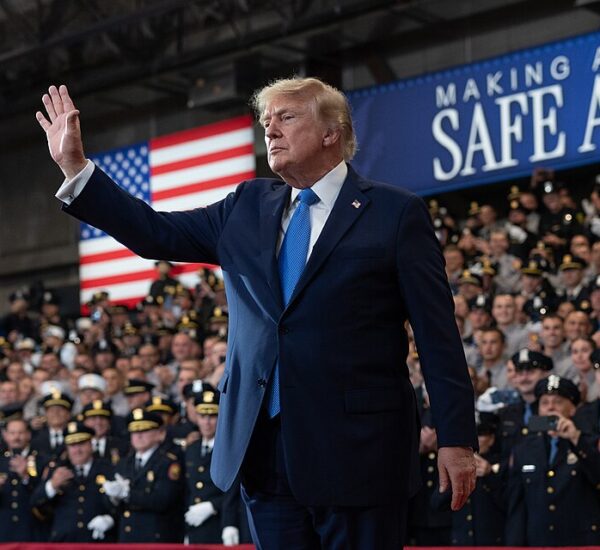
During a recent rally in Ohio, the president encouraged supporters to participate in the election.
“You got to get out and vote,” Trump told the crowd.
His remarks reflect the administration’s continued focus on voter participation and Republican efforts to retain congressional control.
The president has also emphasized issues that have defined much of his political agenda, including border security, immigration enforcement, energy production and economic policy.
Republican candidates across the country are addressing these issues while also responding to concerns specific to their states and congressional districts.
The challenge for both political parties is translating public interest in these subjects into participation at the ballot box.
White House Responds to Carville’s Accusations
The White House strongly rejected Carville’s criticism.
Administration spokesperson Davis Ingle dismissed the Democratic strategist’s comments and criticized his longstanding opposition to President Trump.
The response included personal insults directed at Carville, demonstrating how sharply divided the political debate has become.
Carville has been a prominent figure in Democratic politics for decades and has frequently criticized Trump and the Republican Party.
His latest accusation is another example of the contentious political exchanges surrounding the administration.
Nevertheless, there is no established evidence that Trump is intentionally attempting to cause Republican defeats in the upcoming elections.
Why the 2026 Midterm Elections Matter
The November 3 elections will determine which political party controls the House of Representatives and Senate during the remaining two years of Trump’s current term.
Congressional control has major implications for the administration’s ability to advance its legislative agenda.
Among the issues that could be affected are federal spending, tax policy, immigration enforcement, national security and economic legislation.
Republican majorities could provide additional opportunities for cooperation between Congress and the White House.
Democratic majorities could lead to different legislative priorities, more congressional investigations and increased oversight of the administration.
For millions of Americans, the election also comes at a time when concerns about retirement savings, healthcare expenses, Social Security, Medicare, energy costs and overall financial security remain important.
These issues affect households across the political spectrum and are likely to remain part of the broader national debate.
What Happens Next?
With Election Day approaching, Trump’s political influence remains a major subject of discussion in congressional campaigns.
Carville’s suggestion that the president could be harming Republican candidates has generated attention, but it remains an accusation from a political opponent.
Trump, meanwhile, continues to campaign for Republican candidates and encourage participation in November.
The coming weeks will feature competing messages about economic conditions, national security, immigration and the administration’s record.
Ultimately, American voters will determine which party controls Congress when they cast their ballots on November 3, 2026.