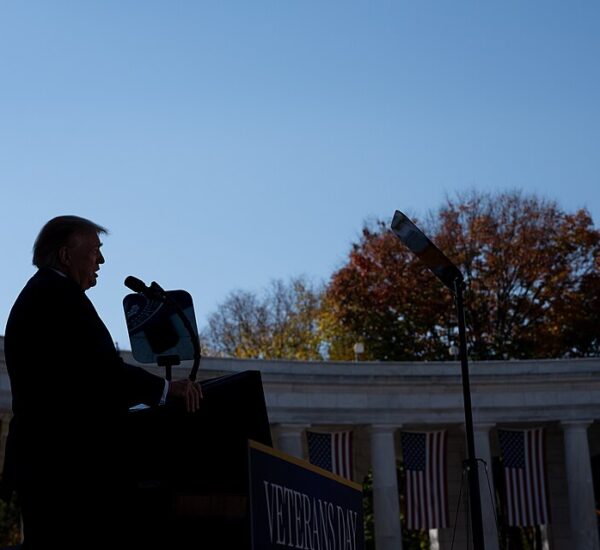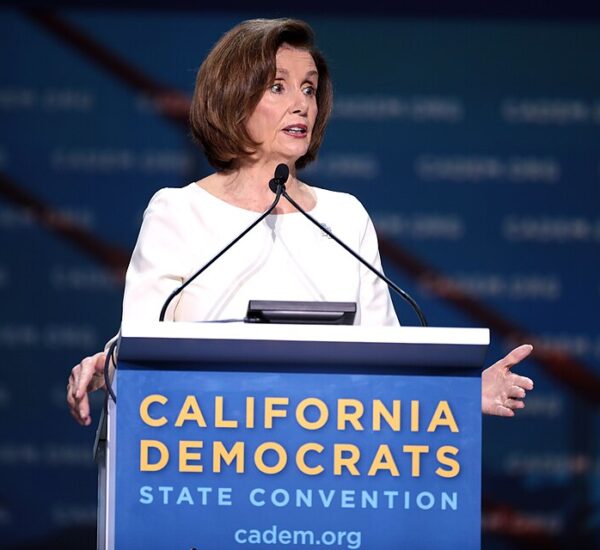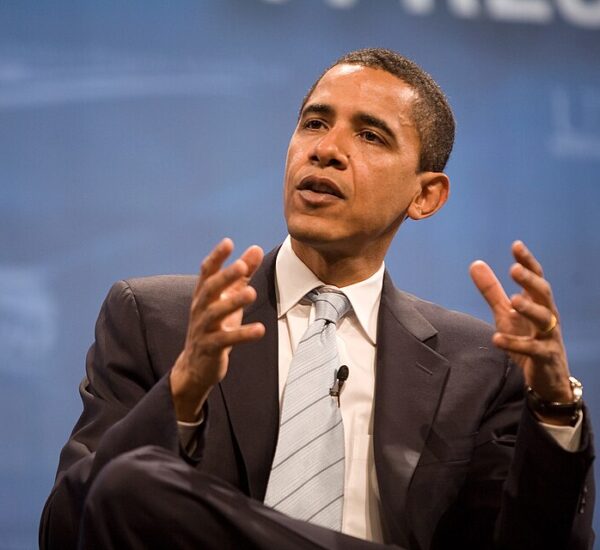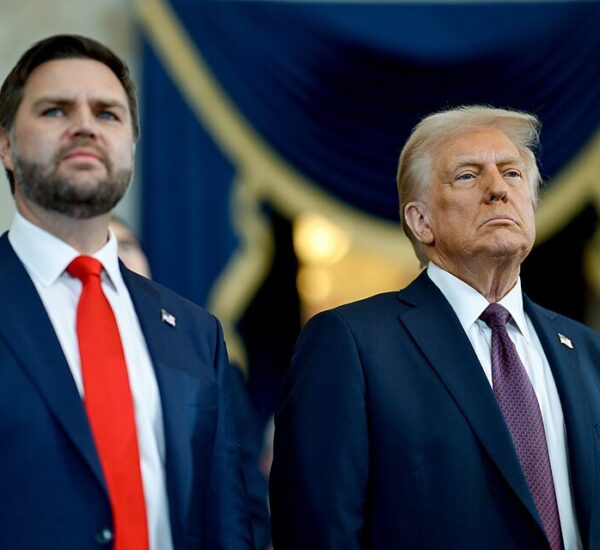
Trump didn’t hold back.
President Donald Trump is blaming Democrats for a massive stock market downturn that has erased trillions of dollars in market value, warning that the financial turmoil could grow even worse as Washington prepares for a major political shift.
The president’s latest criticism comes after Democrats captured control of both chambers of Congress in the November 3 midterm elections, delivering a significant setback to Republicans and raising new questions about the direction of the American economy.
With Wall Street experiencing steep losses and millions of Americans watching their retirement accounts, the growing uncertainty has brought renewed attention to the potential economic consequences of divided government.
Trump Sounds Alarm Over $6 Trillion Stock Market Loss
Trump took to Truth Social on Sunday, November 22, to criticize Democrats following weeks of stock market volatility.
“The Market is down more than 6 Trillion Dollars since the Democrats’ rather strange ‘win’ on November 3rd,” Trump wrote.
The president argued that the Democratic victories have damaged investor confidence, suggesting that Wall Street is reacting negatively to the prospect of Democrats controlling Congress.
Trump also warned that the situation could deteriorate further unless Democrats change their approach.
His comments represent another escalation in the political battle over the economy, an issue that has remained central to his presidency.
The president’s $6 trillion figure describes his assessment of the decline in market value since Election Day. However, the timing of the losses does not establish that Democratic victories were solely responsible for the downturn.
Wall Street Faces Growing Financial Pressure
The market turmoil has been significant.
The S&P 500, one of the most closely watched measures of the American stock market, has entered correction territory after falling more than 10% from its recent peak.
Technology stocks have suffered particularly steep losses, with the Nasdaq Composite coming under heavy pressure as investors reconsider the valuations of major artificial intelligence companies.
Friday’s trading session delivered another painful blow, with the S&P 500 falling approximately 3.7%.
The selloff has raised concerns that investors may be preparing for a prolonged period of financial instability.
While Trump has connected the downturn to Democratic election victories, analysts have also pointed to concerns about artificial intelligence spending, corporate earnings, and future interest rate decisions.
These factors have created an increasingly complicated environment for investors trying to determine where the economy is headed.
Americans Worry About Retirement Savings
The stock market decline could have important consequences for Americans who depend on their investments to help support their retirement.
Millions of workers and retirees have money invested through 401(k) plans, individual retirement accounts, pensions, and other financial products linked to Wall Street.
When major stock indexes experience substantial declines, Americans with significant stock holdings may see their account balances decrease.
For those approaching retirement, sudden market losses can be especially concerning.
Many older Americans have spent decades building their savings and depend on financial stability to maintain their standard of living.
However, not every retirement account experiences the same losses. The impact depends on the types of investments held, how much exposure an account has to stocks, and an individual’s financial circumstances.
Market corrections are also a normal part of long-term investing, although their timing and severity can create difficult decisions for people who need to access their savings.
The latest volatility nevertheless serves as a reminder of how developments on Wall Street can affect household finances across the country.
Democrats Prepare To Take Control Of Congress
The market downturn arrives as Washington faces a substantial change in political leadership.
Democrats secured majorities in both the House and Senate during the November 3 elections, ending Republican control of Congress.
The results will give Democrats considerably more influence over federal legislation, government spending, and oversight of the Trump administration when the new Congress convenes in January.
For Trump, the change presents a significant political challenge.
The president has advocated policies aimed at encouraging business investment, expanding domestic economic activity, and reducing regulatory burdens.
Democratic lawmakers have pursued different economic priorities, including greater oversight of corporations, consumer protections, and measures intended to address rising household costs.
These competing agendas could produce difficult negotiations over taxes, spending, and federal regulations.
Investors will likely monitor those disagreements closely as they evaluate the prospects for economic growth.
Economic Concerns Extend Beyond Washington Politics
Although Trump’s criticism has focused on Democrats, the stock market downturn reflects a broader collection of economic pressures.
One major concern involves the technology industry, particularly companies investing enormous amounts of money in artificial intelligence infrastructure.
Investors have increasingly questioned whether the financial returns from these investments will justify their substantial costs.
At the same time, uncertainty surrounding Federal Reserve interest rate policy has complicated the outlook.
Interest rates influence borrowing costs for businesses and consumers and can affect how investors value stocks.
Corporate earnings, inflation expectations, and global economic developments also remain important considerations.
The combination of these pressures helps explain why market volatility cannot necessarily be attributed to any single political development.
Nevertheless, the Democrats’ upcoming control of Congress introduces an additional factor for investors evaluating the nation’s economic future.
Trump Faces A Major Economic Test
For Trump, the latest turmoil presents both an economic challenge and a political confrontation.
The president has frequently highlighted stock market performance as an indication of economic confidence and the effectiveness of his administration’s policies.
Now, with markets declining and Democrats preparing to take control of Congress, the White House faces increasing pressure to demonstrate that the economy can withstand the uncertainty.
Republicans and Democrats are likely to continue disagreeing over which policies offer the strongest path toward economic stability.
But for American families, the consequences of those decisions extend beyond Washington.
Investment performance, retirement security, borrowing costs, and the availability of well-paying jobs all influence financial confidence.
A sustained market downturn could make those concerns even more pressing.
What Happens Next For The American Economy?
The coming weeks could prove important for Wall Street and the broader U.S. economy.
Investors will be watching Federal Reserve policy, technology sector performance, and the incoming Congress for signs of what lies ahead.
Trump has made his position clear: He believes Democratic election victories have contributed to the massive decline in stock market value and fears the damage could continue.
Whether the market stabilizes or experiences additional losses will depend on a much wider range of economic developments.
For millions of Americans, particularly those approaching or already enjoying retirement, the central concern remains the same.
Can the American economy regain its momentum, or will the latest financial turmoil create even greater challenges for families trying to protect their savings and financial futures?