Here’s what you need to know.
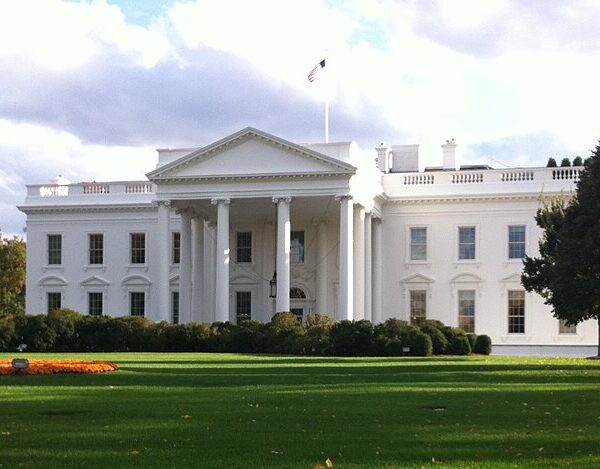
President Donald Trump is taking matters into his own hands at the White House, stepping into a position traditionally reserved for one of his administration’s most important officials.
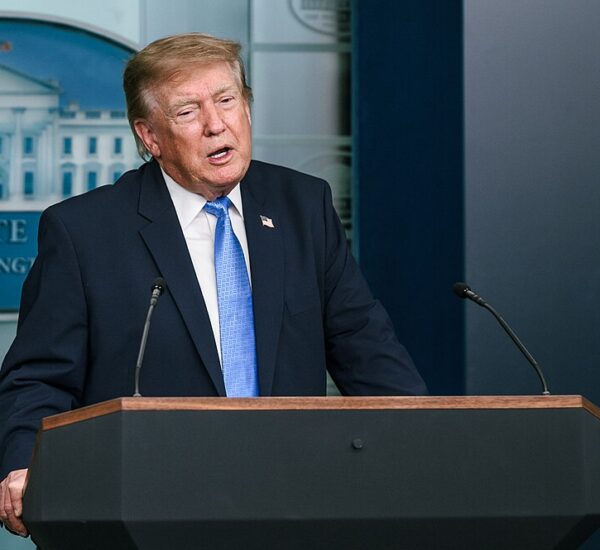
With the White House press secretary position still vacant, Trump has increasingly become his own chief spokesperson, personally addressing reporters and communicating directly with the American people.
The unusual arrangement comes as the Trump administration faces questions about a wave of technology outages that have disrupted airlines, banking services, and government operations across the United States.
While the president has long preferred speaking directly to Americans, the ongoing disruptions are creating new challenges for the White House.
And with no permanent press secretary in place, questions are growing about how the administration plans to keep the public informed.
Trump Makes Unusual White House Communications Move
The White House has been without a permanent press secretary for more than a month following the departure of Katie Zacharia.
Zacharia, who replaced former press secretary Karoline Leavitt, lasted just five days in the position before leaving in October.
Her brief tenure left one of the administration’s most recognizable communications jobs unfilled.
Rather than immediately selecting another replacement, Trump has continued handling many major announcements and media exchanges himself.
The president regularly answers reporters’ questions, discusses administration priorities, and delivers statements through public appearances and social media.
For Trump, this direct approach is nothing new.
Throughout his political career, he has relied on his ability to communicate without depending entirely on traditional political spokespersons.
However, serving as president and effectively becoming the administration’s leading public messenger presents additional responsibilities.
Major Outages Put Trump Administration Under Pressure
The White House communications situation has attracted additional attention following widespread technology problems affecting important American services.
Recent disruptions have involved Microsoft, major banking institutions, United Airlines, and federal government systems.
One of the most serious incidents involved the Federal Aviation Administration, where a nationwide ground stop disrupted air travel and stranded thousands of passengers.
For millions of Americans, these incidents raise concerns about the reliability of systems they depend on every day.
Banking customers want confidence that their money remains accessible, while travelers expect federal authorities to maintain safe and dependable aviation operations.
The disruptions have also prompted questions about whether cybersecurity threats played a role.
Federal officials have indicated that available evidence does not point to a coordinated cyberattack linking the incidents.
Nevertheless, investigators continue working to determine what caused the individual failures.
Senior Trump Officials Respond To Growing Concerns
Several senior administration officials have addressed the situation as the White House attempts to reassure Americans.
Secretary of State Marco Rubio and Director of National Intelligence Jay Clayton have discussed the disruptions and the available evidence surrounding possible cybersecurity threats.
Vice President JD Vance also reportedly canceled a scheduled appearance in New York to participate in meetings concerning the outages.
Transportation Secretary Sean Duffy and Homeland Security Secretary Markwayne Mullin have publicly addressed the problems as well.
However, differences in how administration officials explained certain incidents have generated criticism and additional questions.
The situation highlights the importance of coordinated public communication when disruptions affect national infrastructure.
Although the White House continues operating its broader communications team, the absence of a permanent press secretary means the administration lacks a dedicated official regularly conducting traditional press briefings.
Former Trump Press Secretary Speaks Out
Former White House Press Secretary Karoline Leavitt has also weighed in on the situation.
During an appearance on Fox & Friends, Leavitt emphasized the importance of providing clear information to Americans concerned about the technology failures.
Leavitt, who previously served as one of Trump’s most visible defenders, acknowledged that people want reassurance when essential services suddenly become unavailable.
Her comments reflected concerns about the impact of the outages on everyday life, including access to personal banking services.
The former press secretary encouraged greater transparency from the administration as officials work to investigate the disruptions.
Her remarks are especially notable because she understands firsthand the challenges of communicating White House decisions during periods of intense public scrutiny.
Trump Continues Speaking Directly To Americans
Despite the ongoing controversy, Trump has maintained his preference for personally addressing important national issues.
The president frequently communicates with the public through interviews, statements, social media posts, and exchanges with reporters.
His approach differs from the traditional White House communications structure, where a press secretary typically handles daily briefings and routine media questions.
Trump has demonstrated that he can attract substantial public attention without relying on a conventional spokesperson.
However, explaining complicated government operations requires more than simply making announcements.
During emergencies, Americans often need detailed updates about what happened, what officials are doing, and when normal services might return.
That responsibility becomes particularly important when airlines, financial institutions, or federal agencies experience significant disruptions.
Will Trump Appoint Another Press Secretary?
For now, the White House has not announced a permanent replacement for Katie Zacharia.
Trump continues serving as the administration’s most prominent public messenger, while communications officials and senior Cabinet members handle additional responsibilities.
A future appointment could help streamline the White House’s daily communications and provide journalists with a consistent source of official information.
At the same time, the president has made clear through his actions that he remains comfortable speaking for himself.
Whether that arrangement continues will likely depend on the administration’s priorities and the challenges it faces in the coming weeks.
For Americans watching developments in Washington, the question is not simply who will become the next White House press secretary.
It is whether the administration can provide timely, accurate information while addressing concerns about national security, public safety, and the reliability of essential services.
Until a permanent replacement is named, Trump appears prepared to remain the leading voice of his own White House.