Trump Cancels Pay Increase Rule
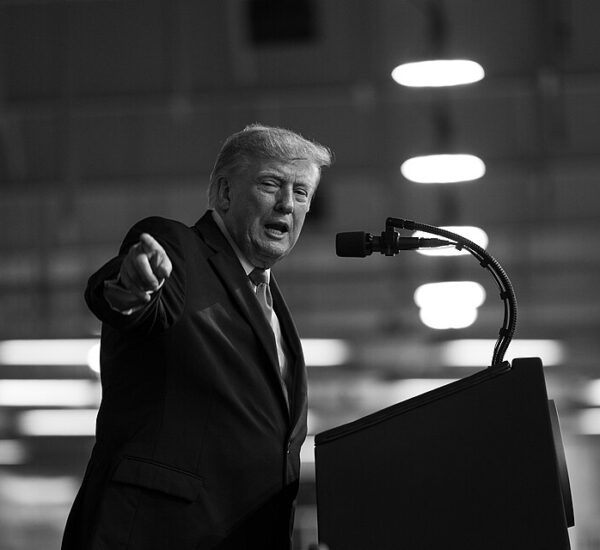
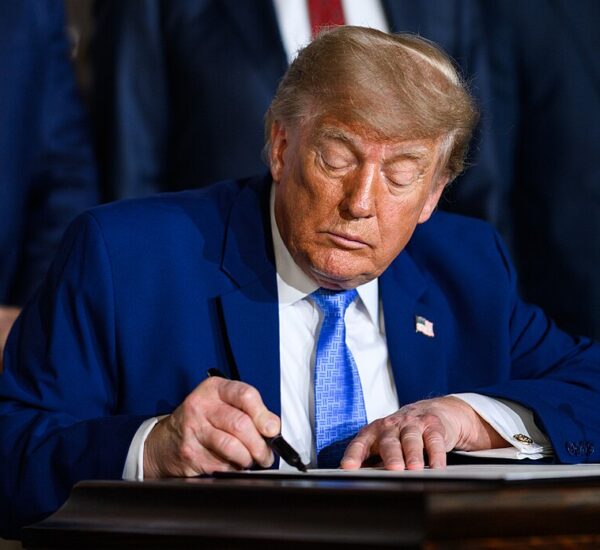
President Donald Trump’s administration has officially eliminated a Biden-era requirement that would have forced federally funded Head Start programs to increase teacher salaries, a move officials say will save billions of dollars while giving local education providers greater control over their budgets.
The Department of Health and Human Services announced Friday that it is reversing the regulation, which would have required larger Head Start programs to gradually raise teacher compensation to match salaries offered by nearby public preschool programs.
The decision represents another significant step in Trump’s efforts to reduce federal regulations, control government spending, and return more decision-making authority to local communities.
Biden-Era Mandate Carried Billion-Dollar Price Tag
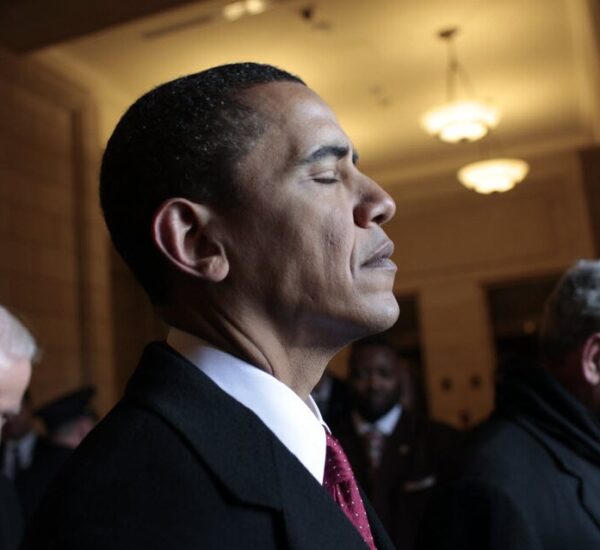
The original regulation, introduced under former President Joe Biden in 2024, was intended to address staffing shortages by increasing teacher salaries and expanding employee benefits.
However, the financial requirements raised concerns about whether Head Start programs could afford the additional expenses without reducing the number of children receiving services.
Federal estimates indicated that the mandate would have added approximately $2.1 billion in annual costs by 2031, when the salary requirements were scheduled to be fully implemented.
The Trump administration argues that eliminating those obligations will allow Head Start providers to direct more of their existing federal funding toward serving children rather than complying with Washington-imposed compensation requirements.
Officials estimate that removing the mandate could preserve approximately 106,000 enrollment opportunities that might otherwise have been lost because of higher operating costs.
Trump Administration Prioritizes Local Control
Administration officials maintain that decisions about teacher salaries and benefits should reflect the financial realities of individual communities rather than a nationwide federal requirement.
Under the revised policy, Head Start providers will continue to have the ability to increase employee compensation. However, they will no longer be required to follow the Biden administration’s mandatory salary schedule.
Alex J. Adams, an assistant secretary at the Department of Health and Human Services who oversees Head Start, emphasized the administration’s commitment to helping the program reach as many eligible children as possible.
The administration believes local operators are better positioned to determine how to balance competitive teacher salaries, classroom staffing, and enrollment needs.
For taxpayers concerned about rising federal expenditures, the decision also highlights the continuing debate over how Washington should manage education funding while protecting access to essential services.
Critics Warn About Teacher Shortages
Despite the administration’s projected savings, some education organizations argue that eliminating the compensation requirements could make existing staffing problems worse.
Head Start programs have struggled in recent years to recruit and retain qualified educators, particularly as public schools and private employers offer more competitive wages.
Federal program data from 2026 showed that Head Start teachers holding bachelor’s degrees earned less than $50,000 annually on average, while those with master’s degrees generally earned less than $60,000.
By comparison, average public school teacher salaries nationwide were approximately $75,000.
Education advocates believe the pay gap contributes to employee turnover and makes it difficult for some Head Start centers to operate at full capacity.
They argue that increasing available classroom funding will accomplish little if programs cannot find enough qualified teachers to serve the children enrolled.
Congressional Democrats have also opposed the administration’s decision, arguing that higher compensation is necessary to stabilize the early childhood education workforce.
Head Start Serves Hundreds Of Thousands Of Families
Established in 1965 as part of President Lyndon Johnson’s anti-poverty initiatives, Head Start provides early childhood education and additional family support services to children from lower-income households.
The federally funded program serves more than 700,000 children annually, including youngsters experiencing homelessness, children in foster care, and those with disabilities.
Although Head Start has historically received support from both political parties, lawmakers continue to disagree over how its funding should be distributed and which requirements should be imposed by the federal government.
The Trump administration has pursued additional changes intended to simplify federal oversight and give program operators greater flexibility.
Supporters believe reducing costly regulations could help preserve educational opportunities while limiting unnecessary spending. Opponents remain concerned that loosening federal standards could affect staffing and the quality of services.
Debate Over Federal Spending Continues
The administration’s decision comes as Washington faces continued scrutiny over federal spending priorities and the effectiveness of government-funded programs.
For families relying on Head Start, the central question is whether removing mandatory pay increases will translate into more available classrooms and greater access to early childhood education.
The revised policy is expected to take effect in January 2027, eliminating the federal salary and benefits mandate while allowing individual Head Start providers to determine compensation based on their budgets and local conditions.
Ultimately, the policy’s success will depend on whether local programs can maintain qualified teaching staffs while serving more children with the federal resources already available.
For now, Trump’s decision marks another reversal of Biden-era education policy and reinforces his administration’s emphasis on reducing federal mandates and expanding local control.