Senators Prepare For Major New Fight
A major political showdown is developing in Washington as several Senate Democrats prepare to challenge President Donald Trump over funding for the ongoing military conflict with Iran, potentially setting the stage for another government shutdown.
With federal funding scheduled to expire on December 11, lawmakers are facing growing pressure to reach a spending agreement. However, a group of Democrats is now threatening to withhold support unless Congress places new restrictions on money being used for military operations against Iran.
The dispute could complicate negotiations at a time when lawmakers are already divided over federal spending, national security, and the direction of American foreign policy.
Democrats Draw A Line Over Iran Funding
Four senators have taken a particularly strong position against approving another government spending package without restrictions on the administration’s military campaign.
Democratic Senators Michael Bennet of Colorado, Chris Van Hollen of Maryland, and Tammy Duckworth of Illinois joined independent Senator Bernie Sanders of Vermont in announcing their opposition to legislation that would allow federal funding to continue supporting the war without additional limitations.
The lawmakers argue that Congress should use its constitutional authority over federal spending to influence the administration’s military decisions.
They also maintain that the conflict has created significant financial and human costs, including pressure on household expenses and the loss of American military personnel.
Their position represents a direct challenge to the White House as both parties prepare for another round of difficult budget negotiations.
Government Shutdown Concerns Grow
The timing of the dispute could prove especially significant.
Unless lawmakers approve new spending legislation before December 11, portions of the federal government could face a shutdown.
Republicans currently control both chambers of Congress, but advancing major spending legislation through the Senate generally requires bipartisan cooperation.
That gives Democrats considerable influence over negotiations, even before the newly elected Congress takes office in January.
Senator Tim Kaine of Virginia is also working on legislative language intended to prevent federal money from being used to continue the Iran conflict.
Kaine wants those restrictions included in the next temporary government funding measure.
However, there is no guarantee that Republican lawmakers or President Trump would accept such conditions.
The disagreement raises the possibility that negotiations over military funding could become tied to the broader debate over keeping federal agencies operating.
Republicans Face Difficult Decisions
The developing confrontation places congressional Republicans in a challenging position.
GOP lawmakers must weigh their support for the Trump administration’s national security policies against the need to pass legislation that keeps the federal government funded.
Republican leaders have indicated they are unlikely to advance spending measures containing provisions that President Trump would reject.
House Appropriations Committee Chairman Tom Cole of Oklahoma has expressed skepticism about sending legislation to the president that would face a likely veto.
That position suggests Republicans may resist Democratic efforts to attach restrictions on Iran operations to a government funding agreement.
The White House and its congressional allies could also face additional pressure as Democrats prepare to assume control of Congress following the November midterm elections.
For Republicans, the immediate challenge will be determining whether a compromise is possible without making major concessions on the administration’s military strategy.
National Security And Taxpayer Spending Take Center Stage
The fight also highlights a larger debate about the federal government’s responsibilities during an overseas military conflict.
Supporters of maintaining military funding emphasize the importance of national security, protecting American service members, and ensuring that commanders have the resources needed to carry out authorized operations.
Critics argue that Congress must exercise greater oversight over military spending and determine whether continued involvement serves the country’s long-term interests.
For American taxpayers, the debate carries financial implications.
Federal military operations require substantial resources, while Washington continues to face concerns about government borrowing, inflation, and the cost of everyday necessities.
Older Americans living on fixed incomes may be particularly attentive to decisions involving federal spending, economic stability, and the future of government programs.
The broader question is whether Congress can address disagreements over military policy without disrupting essential federal operations.
Democrats Consider Their Next Move
Not every Democrat has committed to forcing an immediate confrontation over the December funding deadline.
Senator Patty Murray of Washington, the leading Democrat on the Senate Appropriations Committee, has indicated that lawmakers are considering different approaches to restricting funding for the conflict.
Some Democrats favor using the upcoming spending negotiations to pressure the administration immediately.
Others may prefer to pursue the issue after the new Congress begins its work in January, when their party will have greater control over the legislative agenda.
That difference in strategy could influence whether the dispute develops into a full-scale government funding crisis.
House Democratic leaders have also expressed opposition to providing additional resources for the Iran campaign, adding another layer of difficulty to the negotiations.
Washington Braces For Another Showdown
The approaching deadline leaves lawmakers with limited time to resolve their differences.
Any agreement will need to address the immediate challenge of funding federal operations while navigating sharply different positions on the Iran conflict.
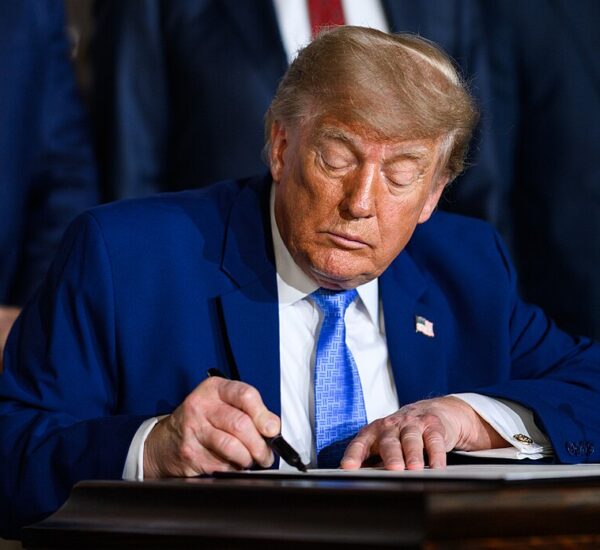
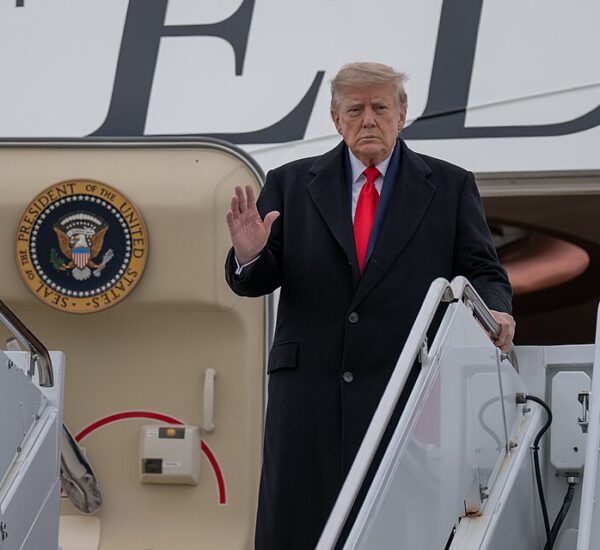
For President Trump, the dispute represents another major test of his administration’s ability to maintain support for its national security agenda.
For Democrats, the negotiations provide an opportunity to exercise political leverage and push for changes to American military policy.
For the country, the stakes extend beyond another disagreement on Capitol Hill.
With government funding, taxpayer dollars, and American military operations all part of the debate, the decisions made in Washington over the coming weeks could have significant consequences.
The central question now is whether lawmakers can reach an agreement before December 11 or whether the fight over Iran funding will push Washington toward another government shutdown.