Here’s what happened.
President Donald Trump’s administration is turning up the pressure on New York City, accusing Democratic leaders of allowing dangerous criminals to remain on the streets through controversial sanctuary policies that restrict cooperation with federal immigration authorities.
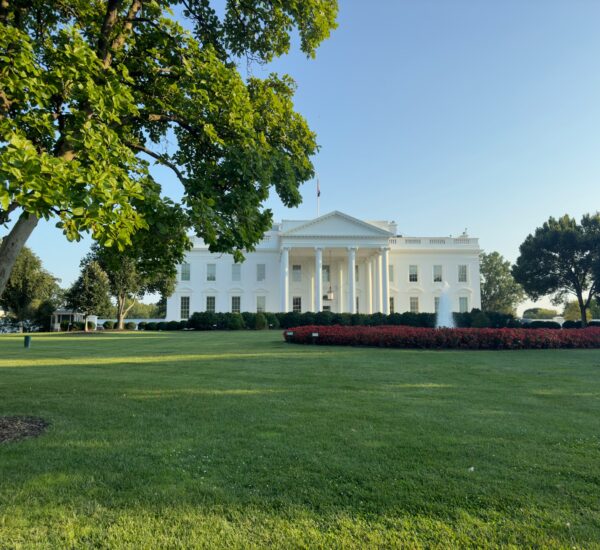
The White House issued a forceful warning Saturday as tensions intensified between Washington and New York City over immigration enforcement, repeat offenders, and public safety.
The latest confrontation follows several high-profile criminal cases involving individuals who had previously been arrested by local authorities. Trump administration officials argue that stronger cooperation between local police and Immigration and Customs Enforcement (ICE) could have prevented some dangerous situations.
The escalating dispute is raising serious questions about New York City’s immigration policies and whether local officials should reconsider restrictions on federal immigration enforcement.
White House Blasts New York City’s Sanctuary Policies
White House spokeswoman Lauren Bis sharply criticized Democratic officials on Saturday, accusing them of supporting policies that make it harder for federal authorities to take custody of individuals facing deportation.
According to the administration, New York City’s sanctuary restrictions have allowed some individuals with serious criminal histories to remain in communities after being released from local custody.
Federal officials argue that these restrictions create unnecessary dangers for residents, law enforcement officers, and immigration agents.
The White House maintains that public safety should come first, particularly when individuals have been convicted of violent offenses or are wanted for serious crimes.
The administration’s latest criticism comes as President Trump continues pushing for stronger immigration enforcement and greater cooperation between federal and local authorities.
Bronx ICE Shooting Sparks Major Controversy
One incident attracting national attention involves 28-year-old Oscar Belgal, a Dominican national who was shot by federal immigration officers during an attempted arrest in the Bronx on October 8.
According to federal officials, Belgal had a criminal record that included a robbery conviction and faced additional allegations involving drug-related offenses.
Authorities also alleged that he had connections to a violent street gang.
Federal immigration officials said Belgal attempted to use his vehicle against officers during the confrontation, prompting an agent to fire.
A five-year-old child was inside the vehicle during the incident but was not injured.
The shooting immediately intensified the political battle over immigration enforcement in New York City.
Mayor Zohran Mamdani criticized the operation and raised concerns about the conduct of federal agents.
The Trump administration defended the officers, arguing that arrests conducted inside secure detention facilities can be safer than attempting to apprehend suspects in public.
Trump Officials Point to Additional Criminal Cases
The White House has highlighted several other serious criminal cases as evidence supporting its concerns about sanctuary restrictions.
Among them was the stabbing of off-duty New York Police Department Detective Jose Mercedes during an attempted robbery.
Authorities accused D’Angelo Caraballo and Sneider Mejia Bautista, two Dominican nationals with previous arrests, of participating in the attack.
According to reports, the suspects allegedly approached the officer on an electric bicycle and attempted to steal his jewelry. The confrontation ended with Mercedes suffering multiple stab wounds.
Federal officials also referenced a separate case involving two men accused of shooting an off-duty Customs and Border Protection officer during an attempted robbery in Manhattan.
Both suspects reportedly had previous encounters with New York law enforcement.
For Trump administration officials, these incidents highlight what they describe as weaknesses in the city’s approach to repeat offenders and immigration enforcement.
However, the circumstances of individual releases can involve different bail requirements, court decisions, and immigration rules. Determining whether a particular sanctuary restriction contributed to a crime requires examining the facts of each case.
Death of Military Veteran Adds to Public Safety Debate
Another case receiving attention involves Richard Williams, an 83-year-old Air Force veteran who died following an attack at a Manhattan subway station.
Authorities identified Bairon Posada-Hernandez, a Honduran national who had reportedly been deported multiple times, as the suspect accused of pushing Williams onto subway tracks.
Williams later died from injuries sustained during the incident.
The case has become part of the broader debate over how authorities handle individuals with repeated criminal arrests and previous immigration violations.
The Trump administration argues that better coordination between federal and local agencies is necessary to identify and remove individuals who pose serious threats.
The tragedy has also renewed discussion about protecting senior citizens, commuters, and other vulnerable New Yorkers who depend on safe public transportation.
Why New York City’s Sanctuary Laws Matter
New York City’s sanctuary policies generally limit when local government agencies and police can cooperate with federal civil immigration enforcement.
Under these rules, city authorities do not automatically honor every request from ICE to hold an individual for transfer to federal custody.
Supporters of the policies argue that restricting certain forms of immigration cooperation encourages residents to report crimes, assist investigations, and communicate with police without fear of immigration consequences.
They also maintain that immigration detainer requests must be handled consistently with applicable legal protections.
The Trump administration takes a different position.
Federal officials argue that local restrictions can make it more difficult for ICE to take custody of individuals who have already been arrested for serious offenses.
White House border czar Tom Homan has emphasized that transferring eligible individuals from secure facilities can reduce the risks associated with arrest operations in residential neighborhoods and public streets.
This disagreement has placed New York City at the center of a nationwide debate involving immigration enforcement, criminal justice, and the responsibilities of local governments.
Mayor Mamdani Faces Increasing Federal Pressure
Mayor Zohran Mamdani has remained critical of the Trump administration’s immigration enforcement tactics, particularly following the Bronx shooting.
The mayor has expressed concerns about public safety during federal operations and defended the city’s approach to immigration-related policing.
Meanwhile, President Trump’s administration continues to argue that restrictions on cooperation with ICE can interfere with efforts to remove dangerous offenders.
The dispute has also drawn attention to New York Governor Kathy Hochul, whose administration has faced Republican criticism over immigration policies and criminal justice laws.
Trump and other Republican officials contend that state and local leaders should take a tougher approach toward individuals with serious criminal records who are unlawfully present in the United States.
Democratic officials have defended the need for legal safeguards and accountability in immigration operations while maintaining that violent offenders should face criminal prosecution.
Public Safety and Immigration Enforcement Take Center Stage
For residents across New York City, the growing confrontation raises important questions about neighborhood safety and government responsibility.
Should local police have greater flexibility to cooperate with federal immigration authorities when serious criminal offenses are involved?
Could changes to sanctuary policies reduce the number of potentially dangerous arrests conducted in public?
And how can officials strengthen immigration enforcement while protecting constitutional rights and ensuring that federal agents follow appropriate procedures?
These questions are becoming increasingly important as the federal government and city officials continue defending their opposing approaches.
The debate also extends beyond New York, where other major cities have adopted different policies governing cooperation with immigration authorities.
What Happens Next for New York City?
With the White House increasing its criticism, New York City’s sanctuary policies appear likely to remain a major source of conflict between federal and local officials.
President Trump has made immigration enforcement a central priority of his administration, and his officials continue urging jurisdictions to cooperate more closely with ICE.
New York City leaders, meanwhile, have defended existing restrictions and questioned federal enforcement tactics.
Whether the disagreement results in changes to city policy, additional legal challenges, or further political confrontations remains uncertain.
One thing is clear: The Trump administration is placing renewed attention on New York City’s immigration policies, making public safety and federal-local cooperation central issues in the growing dispute.
As the debate continues, New Yorkers will be watching to see whether their elected leaders can find common ground on protecting communities while upholding the law.