Democrat Planning To Reserve Trump’s Moves
Democrats are preparing a broad effort to roll back or restrict several of President Donald Trump’s major policies if they regain control of Congress in the November midterm elections.
Trump, however, has already made clear that Democrats should expect resistance from the White House.
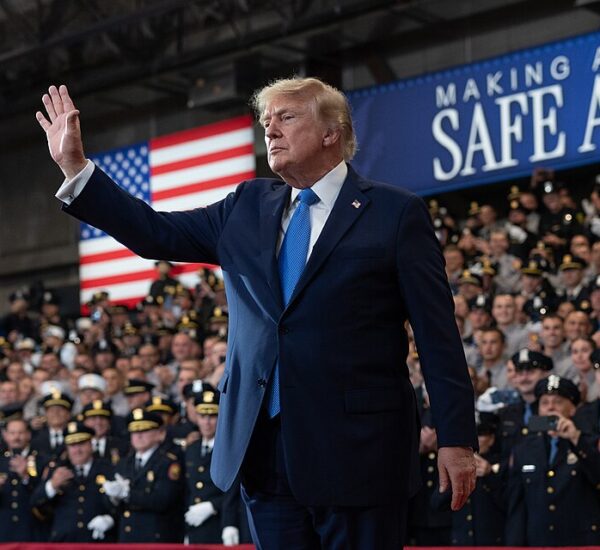
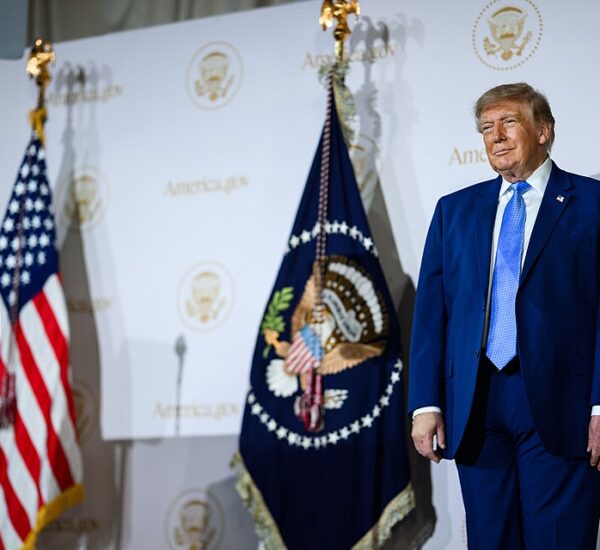
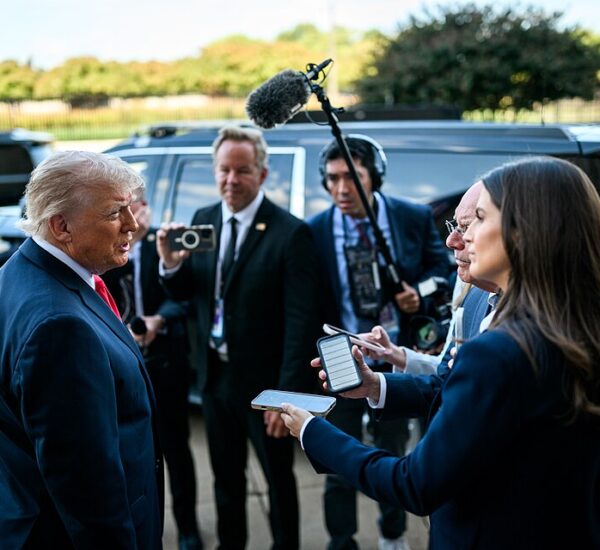
During a Sept. 10 interview with Fox News host Laura Ingraham, Trump said he would become a “blocker” if Democrats captured both chambers of Congress, promising to stop legislation he believes would undermine his administration’s agenda.
“I’ll block all their bad stuff for two years,” Trump said, while also leaving open the possibility of negotiating with Democrats on certain issues.
The comments highlight a major reality facing Democrats: Winning control of the House and Senate would not automatically give them the power to erase Trump’s policies.
Most major legislation would still have to pass both chambers of Congress and then receive the president’s signature. Trump could veto Democratic-backed bills, forcing lawmakers to find a two-thirds majority in both chambers to override him — a difficult hurdle under almost any political scenario.
Still, Democrats are already developing legislation aimed at reversing or limiting Trump administration policies involving immigration, presidential authority, the federal workforce, healthcare, the Justice Department and government ethics, according to The Washington Post.
Democrats Eye Limits On Presidential Power
One major Democratic priority would be placing additional restrictions on presidential emergency powers.
Democratic Reps. Suzan DelBene of Washington and Don Beyer of Virginia have introduced legislation that would require congressional approval for certain tariffs imposed by a president under emergency authorities.
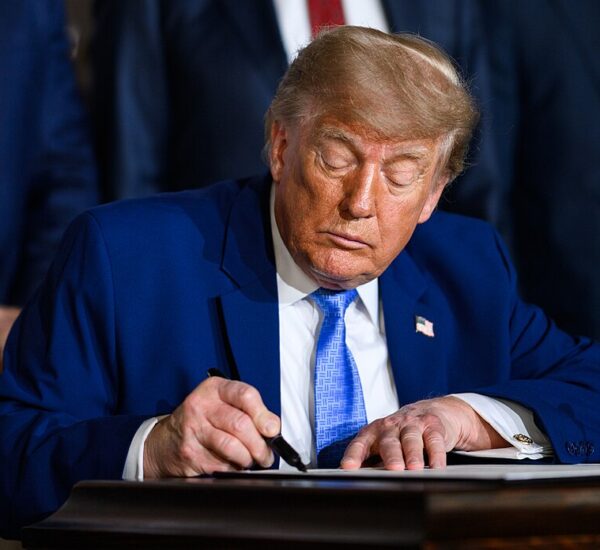
Trump has relied on executive and emergency powers as part of his approach to tariffs, border security and immigration enforcement.
Democrats are also considering broader legislation that would give Congress a larger role in certain executive branch decisions.
One House proposal would require congressional authorization before a president could make major structural changes to the White House complex. The issue has drawn attention as Trump pursues renovations and construction involving a new ballroom.
Rep. Jamie Raskin, D-Md., the ranking Democrat on the House Judiciary Committee, is also supporting legislation that would require congressional approval before a president could accept certain payments or benefits connected to foreign governments.
Other Democratic proposals would attempt to prevent executive branch officials from using federal authority against individuals or organizations based on protected political speech.
Raskin told The Washington Post that Democrats could face what he described as a “massive reconstruction task” if they regain congressional control. He also argued that some uses of presidential authority under Trump “can and must be reversed.”
Those statements reflect Raskin’s assessment of the administration and are likely to become part of a much larger political fight over the limits of executive power.
Justice Department Could Face Major Changes
Democrats are also examining proposals that would increase the independence of the Justice Department from the White House.
According to the Post, attorneys and former Justice Department officials have discussed ways to strengthen protections for career prosecutors and other department employees.
Supporters of such measures argue that federal law enforcement decisions should remain insulated from political pressure.
Republicans, meanwhile, have frequently argued that unelected federal officials should remain accountable to the elected president and that the executive branch must have the authority to remove employees who fail to carry out lawful administration policy.
That disagreement could become one of the central government reform battles if Democrats retake Congress.
Federal Workforce Rules Could Be Rewritten
Trump’s efforts to restructure the federal workforce are another major Democratic target.
The Partnership for Public Service has proposed strengthening civil service protections and making it more difficult for presidents to dismiss or reclassify certain federal employees.
Trump and his Republican allies have argued that presidents need greater authority to remove federal workers who obstruct administration priorities or perform poorly.
Democrats generally favor stronger employment protections for career government workers, arguing that such safeguards prevent federal agencies from becoming overly politicized.
Congressional Democrats have also discussed tightening financial ethics rules for senior government officials, including restrictions involving stock trading and certain other investment activities.
Democrats Promise To Reverse Trump Healthcare Policies
Healthcare is expected to become another major battleground.
House Minority Leader Hakeem Jeffries, D-N.Y., has said Democrats would attempt to reverse Medicaid provisions contained in Trump’s One Big Beautiful Bill Act if Democrats regain power.
Jeffries has also called for an extension of enhanced tax credits connected to the Affordable Care Act.
Several provisions of Trump’s legislation are scheduled to take effect or expand in 2027, including Medicaid work requirements, changes affecting some legal immigrants’ eligibility for Affordable Care Act subsidies and reductions in federal funding connected to the Supplemental Nutrition Assistance Program, commonly known as SNAP.
Democrats have made those issues a major part of their argument to voters heading into the midterm elections.
Jeffries has repeatedly said Democrats would seek to “reverse the Medicaid cuts” and extend ACA subsidies.
Some Democrats are discussing going even further by expanding Medicare or other government-backed health coverage programs.
That could create another sharp philosophical divide between the two parties over the future size and role of the federal government in healthcare.
Immigration Policies Also Face Democratic Scrutiny
Trump’s immigration agenda would also be a major target under Democratic congressional control.
Democratic lawmakers have discussed legislation involving immigration detention facilities, federal enforcement operations, immigration contracts and government spending.
They have also questioned the administration’s use of the National Guard in certain American cities.
A Democratic-controlled House would have substantial investigative power through congressional committees, meaning Trump administration officials could face hearings, document requests and subpoenas related to immigration enforcement and other policies.
House Democrats are reportedly preparing a wider oversight agenda that could examine Trump administration decisions, presidential business interests and immigration enforcement programs.
Some Democratic lawmakers have also refused to rule out future impeachment-related investigations.
Any impeachment effort, however, would be separate from legislation intended to change or reverse Trump administration policies.
Trump Says He Will Stand In Their Way
Trump’s public statements suggest that a divided government could result in two years of intense political confrontation.
“I’ll end up being a blocker,” Trump told Ingraham. “I’ll block all their bad stuff for two years.”
At the same time, the president suggested he would still consider bipartisan deals when he believes an agreement benefits the country.
That means the outcome of the November midterms could determine not only which party controls Congress, but whether Washington enters another period of legislative gridlock.
Even if Democrats control both the House and Senate, legislation reversing Trump policies would still face the president’s veto power.
Some executive actions could potentially be challenged through legislation, while others could remain tied up in federal court battles.
For conservative voters, the stakes are especially significant.
A Democratic congressional majority could attempt to restrict presidential authority, restore federal workforce protections, change Trump-era immigration policies and reverse portions of the administration’s healthcare agenda.
Trump, meanwhile, appears prepared to use the powers of the presidency to defend the policies that helped define his second term.
The midterm elections could therefore become a referendum on far more than congressional control.
They may determine whether Trump has a supportive Congress capable of advancing his agenda — or spends the final two years of his term fighting Democratic lawmakers determined to dismantle major parts of it.