Trump Fires Up His MAGA Base
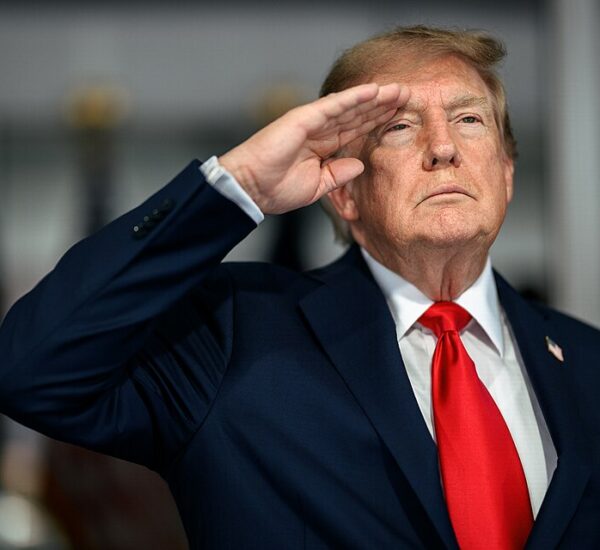
President Donald Trump is stepping up his involvement in the 2026 midterm elections as Republicans work to turn support for his political movement into votes for GOP candidates across the country.
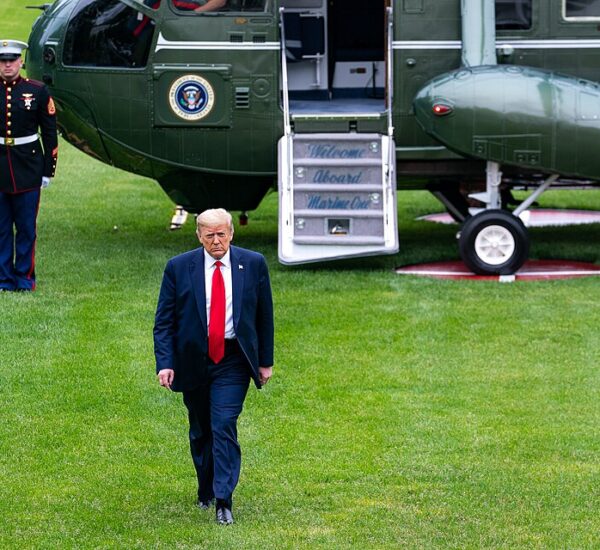
Trump launched a 32-day campaign push Thursday with appearances in Texas and Oklahoma, beginning an aggressive stretch of political events ahead of the Nov. 3 midterm elections.
One of the biggest challenges facing Republicans is convincing voters who supported Trump during the 2024 presidential election to return to the polls when Trump himself is not on the ballot.
Pollsters Jim McLaughlin and Patrick Allocco told Newsmax that Trump’s appearances could help Republicans reach those less-frequent voters while reinforcing the party’s message on the economy, taxes, government spending and affordability.
Trump Takes a Bigger Role in 2026 Midterm Campaign
Trump began his latest campaign swing in Denton, Texas, before traveling to Oklahoma.
The president is expected to continue appearing at campaign events throughout October as Republicans seek to protect their congressional majorities and support GOP candidates in closely watched races.
Trump’s strategy includes visits to heavily Republican areas as well as states with more competitive contests.
The approach reflects a basic political reality for Republicans: Trump generated enormous voter participation during his presidential campaigns, but some of those voters do not consistently participate in midterm elections.
That makes turnout one of the most important issues facing the GOP heading into November.
Pollsters Say MAGA Turnout Could Be Critical
McLaughlin, of McLaughlin & Associates, said Trump is well positioned to motivate voters who strongly support his Make America Great Again agenda.
Asked whether Trump could energize MAGA voters, McLaughlin said he believed the president’s personal involvement would make a difference.
He also argued that Trump will use campaign appearances to highlight economic statistics that the administration views favorably.
Republicans are expected to emphasize employment, wages, taxes and economic growth as they make their closing argument to voters.
Democrats, meanwhile, are focusing heavily on household costs, energy prices and other affordability concerns while challenging the administration’s economic record.
That means the economy is likely to remain one of the dominant subjects of the 2026 midterm campaign.
Republicans Want Presidential Voters to Return in November
Allocco, founder and CEO of election data company Zoose, said Republican enthusiasm has remained strong.
But enthusiasm does not automatically translate into ballots.
Presidential elections traditionally attract substantially more voters than midterm elections, creating an additional challenge for any political party trying to recreate a presidential-year coalition.
Allocco said a significant percentage of Trump voters who participated in a presidential election may otherwise skip a midterm contest.
That is why Trump’s early campaign appearances in heavily Republican areas could matter.
The goal is not simply to persuade undecided voters. It is also to reach people who already support Trump but may need additional motivation to participate in November.
Low-Propensity Voters Become Major GOP Target
Political campaigns often describe occasional voters as “low-propensity voters.”
These are Americans who may participate in presidential elections but regularly skip congressional primaries, midterms or local elections.
Trump has attracted substantial support from voters who do not always fit the traditional profile of highly consistent Republican voters.
Turning those supporters into dependable midterm participants could therefore become an important part of the GOP strategy.
Allocco argued that Trump’s rallies give Republicans a direct way to reach those voters.
For GOP candidates, even a relatively small increase in participation among Trump’s 2024 supporters could matter in competitive House and Senate contests.
Trump Makes Affordability Part of His Pitch
Trump is also putting affordability at the center of his political message.
For millions of Americans, economic conditions are measured less by national statistics than by the bills arriving every month.
Groceries, gasoline, electricity, insurance, housing and other household expenses continue to shape voters’ views of the economy.
Trump and Republican candidates are expected to argue that lower taxes, restrained federal spending, domestic energy production and business growth can improve Americans’ finances.
Democratic candidates are offering competing explanations for current economic conditions and promoting their own approaches to wages, healthcare, energy and household expenses.
Those competing economic arguments are likely to receive increasing attention as Election Day approaches.
McLaughlin Blames Democratic Policies for Earlier Inflation
McLaughlin specifically criticized Democratic policies involving federal spending and environmental programs, arguing they contributed to the inflation Americans experienced in previous years.
That is a Republican interpretation of the inflation debate rather than an uncontested economic conclusion.
Economists have identified numerous contributors to the inflation surge of the early 2020s, including pandemic-era supply disruptions, consumer demand, fiscal and monetary policy, energy markets and international events.
The political debate over responsibility nevertheless remains important because both parties are trying to convince voters that their policies offer the better path toward lower household costs.
Trump Highlights His Economic Record
McLaughlin predicted Trump will continue highlighting employment, incomes and other economic indicators during his campaign appearances.
Trump himself has acknowledged that Republicans need to communicate their economic message more effectively.
At the same time, affordability remains a politically sensitive subject.
Even when employment or income statistics improve, families can still feel financially squeezed if essential expenses remain elevated.
That gap between economic statistics and household experience is likely to become a major theme during the final weeks before the midterms.
GOP Hopes Trump Can Transfer His Political Support
The larger question is whether Trump can transfer his personal political following to other Republican candidates.
That has been a recurring challenge in American politics.
Voters who enthusiastically support a presidential candidate do not necessarily vote at the same rate when congressional, gubernatorial or state candidates are at the top of the ticket.
Trump’s campaign blitz is designed in part to overcome that problem.
By holding rallies, promoting Republican candidates and discussing issues closely associated with his presidency, Trump can give supporters an additional reason to participate.
Democrats Are Fighting for Their Own Turnout
Republicans are not alone in emphasizing voter participation.
Democratic campaigns are also working to motivate their strongest supporters as Election Day approaches.
Both parties understand that midterm contests can be decided not only by persuading undecided Americans but also by determining which side successfully gets its existing supporters to vote.
That makes turnout organization, campaign enthusiasm and voter engagement particularly important during the final month.
Economy Could Shape Final Month of Midterm Campaign
Economic issues are expected to remain central to that battle.
Republicans will likely continue highlighting employment, taxes, economic growth and Trump administration policies.
Democrats are expected to focus heavily on affordability, energy costs and areas where voters remain dissatisfied.
Trump’s campaign appearances give Republicans an opportunity to make their case directly to supporters rather than relying entirely on television advertisements or candidate events.
The Midterm Question Republicans Must Answer
Trump demonstrated in 2024 that he could assemble a large and highly motivated presidential coalition.
The challenge in 2026 is different.
Republicans now need many of those same Americans to vote even though Trump is not running for another term this November.
His 32-day campaign push represents an effort to make that happen.
With Election Day approaching, the outcome will depend on far more than rally attendance or political enthusiasm.
The decisive factor will be whether supporters from both parties actually cast ballots when voting begins.
For Republicans, Trump’s ability to motivate occasional MAGA voters could therefore become an important part of the party’s midterm strategy.