US Prepares For Trump’s UN Speech
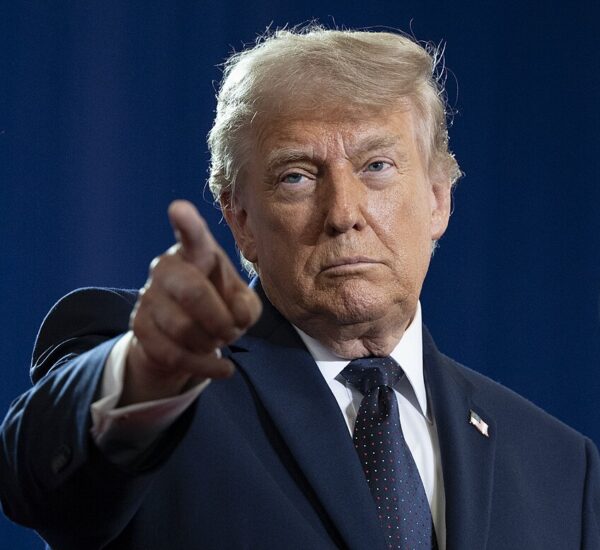
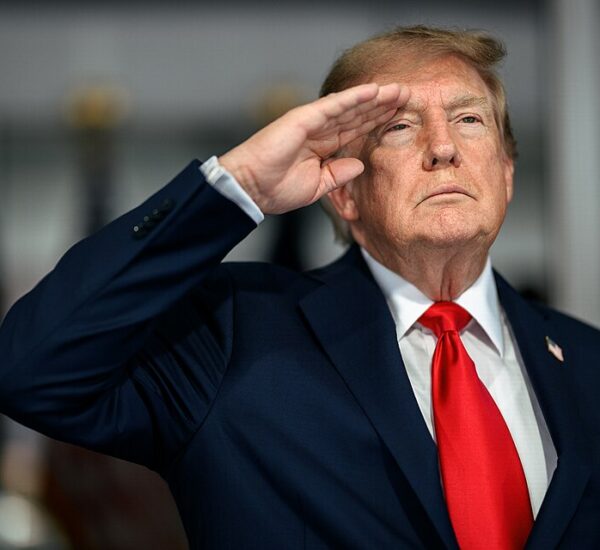
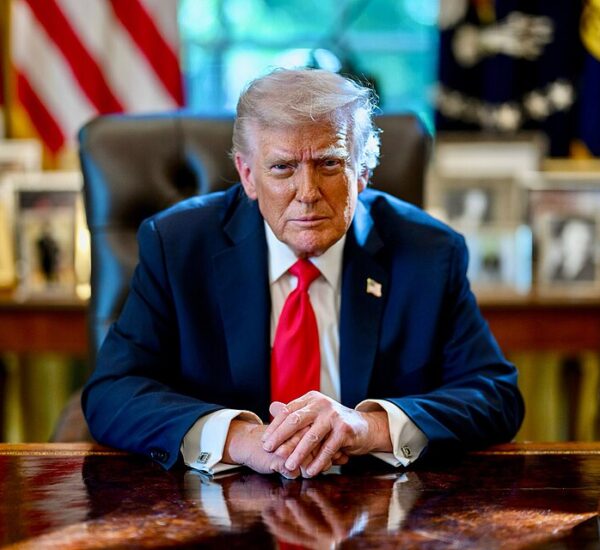
President Donald Trump is preparing to address world leaders at the United Nations on Tuesday as concerns surrounding Iran, nuclear proliferation and stability in the Middle East remain at the center of international attention.
The United Nations General Assembly’s annual general debate begins September 22 in New York, bringing presidents, prime ministers and other senior officials together for several days of speeches and diplomatic meetings.
One foreign policy expert believes Trump could use the high-profile appearance to push America’s allies toward a broader strategy for preventing Iran from obtaining a nuclear weapon.
University of Chicago political science professor Robert Pape told Newsmax on Sunday that Trump’s speech could become an important opportunity to focus international attention on the dangers of nuclear proliferation across the Middle East.
Pape argued that the consequences could extend far beyond Iran.
Expert Warns of Possible Middle East Nuclear Arms Race
According to Pape, an Iranian nuclear weapon could increase pressure on other regional powers to reconsider their own security strategies.
He specifically raised Turkey as one country that could eventually face difficult decisions if Iran were to obtain a functioning nuclear weapon.
Pape said American leaders should therefore look at Iran’s nuclear ambitions as part of a larger regional challenge rather than treating the issue solely as a dispute between Washington and Tehran.
He pointed to the international nuclear nonproliferation system as one potential area where the Trump administration could seek additional cooperation from allies.
Pape said Trump has an opportunity at the United Nations to emphasize the wider consequences that could follow if nuclear weapons begin spreading to additional countries in the Middle East.
Trump Could Use UN Stage to Rally Allies
Trump’s appearance will come during one of the most closely watched diplomatic gatherings of the year.
The U.N. General Assembly general debate gives national leaders an opportunity to outline their foreign policy priorities before representatives from around the world.
For Trump, Iran could become one of the central issues.
Pape told Newsmax that the president could use the speech to encourage additional countries to participate in efforts aimed at limiting Iran’s nuclear capabilities and preventing a wider regional arms race.
The professor said the administration should approach the situation strategically and consider the long-term effects of any major decision involving Iran.
Persian Gulf Remains Critical to U.S. Interests
Pape also emphasized America’s long-standing interest in maintaining stability in the Persian Gulf.
The region remains strategically important because of international shipping routes, global energy markets and the security interests of numerous U.S. partners.
Pape argued that Washington should also consider the implications of Iran gaining greater political and military influence throughout the region.
He described preventing the emergence of a dominant hostile regional power as an important American strategic consideration.
The comments highlight the difficult balance confronting policymakers as they weigh diplomacy, economic pressure and military deterrence.
Warning Against Nuclear Escalation
Pape also warned strongly against the possible use of tactical nuclear weapons in the confrontation.
He argued that the consequences would not necessarily remain limited to the battlefield.
According to Pape, the use of a nuclear weapon by either the United States or Israel could create severe international economic and diplomatic repercussions.
Among his concerns is the potential reaction of global investors and governments that purchase U.S. Treasury securities.
His comments reflect a broader concern about how dramatic military escalation could affect financial markets, international alliances and America’s standing around the world.
The scenario remains hypothetical, and there has been no indication in the remarks cited by Newsmax that such a decision has been made.
Pape Raises Concern About an “October Surprise”
Pape also repeated a warning involving the upcoming November midterm elections.
He believes Iran could potentially attempt to increase pressure on the Trump administration during October, creating what he described as an “October surprise.”
One scenario he discussed would involve Iran moving closer to testing a nuclear weapon or potentially conducting such a test.
That assessment is Pape’s prediction and should not be confused with evidence that Iranian officials have decided to take such action.
His broader argument is that Tehran could attempt to create a major foreign policy crisis shortly before Americans vote in the midterm elections.
Such a development could leave the administration facing difficult decisions involving diplomacy, military action and international coordination.
Former Trump Adviser Says Iran Has Tried to Buy Time
Walid Phares, a former foreign policy adviser to Trump’s 2016 presidential campaign and a Newsmax foreign policy analyst, offered his own assessment of Iran’s strategy.
Phares said he believes Iranian leaders have spent months attempting to delay military pressure while trying to remain in power.
According to Phares, Iran’s government has sought to avoid both sustained military strikes and major domestic unrest.
He argued that the combination of external military pressure and significant internal political instability could pose a serious threat to the Iranian government.
Those statements represent Phares’ analysis of Tehran’s strategy rather than independently established evidence of the Iranian government’s intentions.
Nuclear Proliferation Could Become Central Issue
The larger concern extends beyond the immediate dispute between the United States and Iran.
If additional Middle Eastern countries begin pursuing nuclear weapons, policymakers could face a substantially more complicated regional security environment.
That is why Pape believes the international community should place greater emphasis on nuclear nonproliferation and coordinated diplomacy.
Trump’s United Nations speech will give him an opportunity to explain the administration’s approach directly to America’s allies, rivals and other governments around the world.
The U.N. says the 2026 general debate will run from September 22 through September 28, with national leaders using the gathering to present their positions on major global issues.
All Eyes Turn to Trump’s Tuesday Speech
With Iran remaining a major international concern, Trump’s address could draw considerable attention from foreign governments and American voters alike.
Questions surrounding nuclear weapons, Persian Gulf security, international alliances and the risk of further military escalation all remain unresolved.
Pape believes the president should use the moment to make nuclear nonproliferation a central part of the discussion and seek broader support from America’s international partners.
Whether Trump chooses to make Iran a major focus of his address will become clearer when he takes the U.N. stage Tuesday.
What happens afterward could help determine whether diplomacy gains new momentum or tensions surrounding Iran continue to intensify.