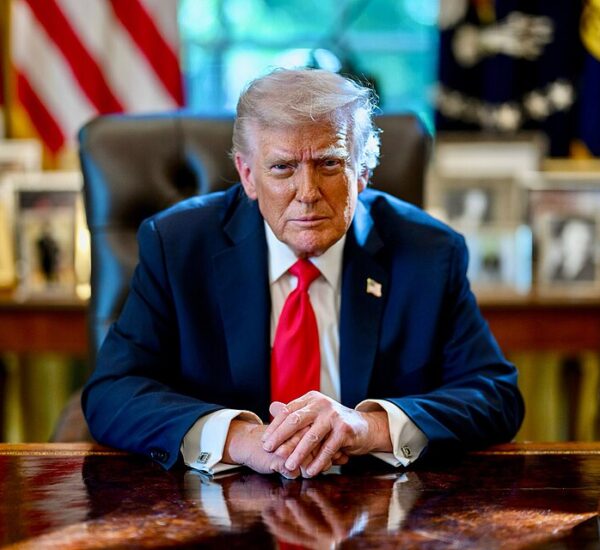
Trump’s State Dept. Issues Warning To Americans
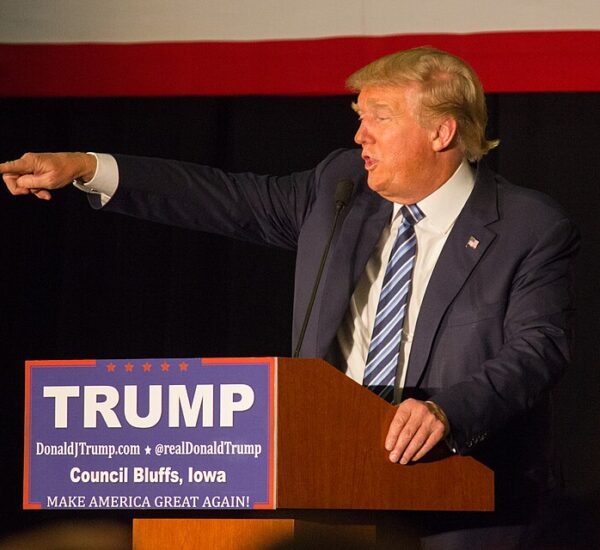
President Donald Trump returned to the White House earlier than scheduled Saturday evening as tensions across the Middle East intensified and U.S. officials issued fresh security guidance for Americans in the region.
Trump had been scheduled to remain at Camp David through Sunday. Instead, Marine One carried the president back to Washington shortly before 8 p.m., according to the White House press pool.
The White House did not immediately announce why Trump changed his schedule, and officials had not publicly established a direct connection between his early return and the developing situation overseas.
The timing nevertheless drew attention as missile and drone attacks involving Yemen’s Iran-backed Houthi movement created new concerns about regional security, international travel and critical energy infrastructure.
State Department Issues New Middle East Warning
The State Department urged Americans in the Middle East to closely follow security guidance from the nearest U.S. embassy or consulate as conditions across the region remained unpredictable.
Officials encouraged travelers to monitor local alerts and transportation conditions and to prepare for disruptions that could develop with little warning.
Americans can also enroll in the State Department’s Smart Traveler Enrollment Program, known as STEP, to receive security information from U.S. diplomatic missions overseas.
The guidance comes as renewed military activity has increased concerns about commercial aviation and the safety of Americans living or traveling in the region.
Saudi Arabia Faces Renewed Missile Threat
The latest escalation followed a Houthi attempt to strike Riyadh, Saudi Arabia’s capital, with a ballistic missile on Saturday.
Saudi authorities said the missile was intercepted and no casualties were reported.
The Associated Press reported that the attack marked the first attempted Houthi ballistic missile strike on Riyadh since the latest round of intensified fighting.
The Houthis also claimed to have launched missiles and drones against additional Saudi targets, including energy infrastructure.
Some of those claims could not immediately be independently verified.
Saudi Arabia’s response and the possibility of additional attacks have raised concerns about whether the confrontation could widen further.
Oil Facilities And Energy Markets Draw Attention
Energy infrastructure is one of the major concerns surrounding the renewed hostilities.
The Houthis claimed attacks involving facilities connected to Saudi Aramco, including infrastructure near Yanbu, an important Saudi energy hub.
Reuters reported that the renewed attacks contributed to volatility in Gulf financial markets as investors assessed potential risks to oil production and exports.
Saudi Aramco remains one of the world’s most important energy producers, meaning significant disruptions to Saudi facilities can have consequences far beyond the Middle East.
Oil markets have already been closely watching developments involving Saudi Arabia, Iran and major regional shipping routes.
The Strait of Hormuz and Bab el-Mandeb are particularly important because of the large amount of global energy and commercial shipping that passes through them.
Saudi Arabia Remains At Level 3
The State Department currently lists Saudi Arabia at Level 3 — Reconsider Travel.
The advisory, dated Sept. 15, cites the risks of Iranian missile and drone attacks against American interests, armed conflict, terrorism and several other concerns.
U.S. officials specifically warn against travel near Saudi Arabia’s border with Yemen.
The State Department says missile and drone attacks have previously targeted cities, airports, military bases, diplomatic facilities, infrastructure and energy installations across Saudi Arabia.
It also warns that debris from intercepted missiles and drones can pose a danger to people on the ground.
Americans living or working close to energy infrastructure or military facilities may face additional risks during periods of heightened tension.
Commercial Flights Remain Operational
Commercial aviation continues to operate in Saudi Arabia, although the State Department says flights have experienced significant disruption at times since hostilities between the United States and Iran began earlier in 2026.
Travelers are therefore encouraged to confirm flight schedules directly with airlines and airports.
Regional conflicts can lead to sudden airspace closures, route changes, cancellations and delays even when airports themselves remain open.
That makes advance planning especially important for Americans traveling through the Gulf or other parts of the Middle East.
U.S. Citizens Urged To Follow Embassy Alerts
The State Department has directed Americans throughout the region to monitor communications from U.S. embassies and consulates.
Travelers can receive updates through STEP and through other State Department security channels.
Officials recommend maintaining access to essential documents, medications and basic emergency supplies when traveling in areas where security conditions could change quickly.
Americans requiring consular assistance can also contact the State Department or the nearest U.S. diplomatic mission.
Embassy In Israel Advises Additional Precautions
U.S. officials in Israel have also encouraged Americans to remain attentive to security conditions.
Travelers have been advised to verify flight information before traveling to airports and to familiarize themselves with local emergency procedures.
Americans in Israel may also follow alerts from the country’s Home Front Command, which provides information about missile threats and other emergencies.
U.S. citizens have additionally been encouraged to avoid demonstrations and large gatherings when security conditions are uncertain.
Hegseth Also Returns To Washington
War Secretary Pete Hegseth also returned to Washington after traveling to Texas on Saturday.
Hegseth visited Texas A&M University and attended the Aggies’ football game against Kentucky before returning to the nation’s capital.
Officials did not immediately announce whether his return was connected to developments in the Middle East.
As with Trump’s schedule change, the absence of an official explanation means any direct connection between the two developments should not be assumed.
Houthis Increase Pressure On Saudi Arabia
The latest attacks are part of a broader increase in Houthi military activity involving Saudi Arabia.
The Yemen-based organization is supported by Iran and has used drones and missiles in previous attacks throughout the region.
Saudi Arabia confirmed that Saturday’s missile aimed at Riyadh was intercepted.
The Houthis also claimed additional strikes involving cruise missiles and drones against Saudi targets.
Those developments come amid continuing tensions involving Iran, the United States and several regional governments.
The growing number of military flashpoints has raised concerns about aviation, shipping and energy infrastructure.
Washington Watches A Fast-Moving Situation
Trump’s return to Washington comes ahead of a significant diplomatic week.
The president is scheduled to attend events surrounding the United Nations General Assembly in New York, where Iran and broader Middle East security issues are expected to receive considerable attention.
Reuters reported Sunday that Trump is expected to hold several meetings with foreign leaders as the General Assembly convenes.
The president’s administration is simultaneously monitoring renewed Houthi attacks and the wider confrontation involving Iran.
For Washington, the challenge involves protecting American personnel and interests while dealing with several interconnected security disputes across the region.
What Americans Traveling To The Middle East Should Know
For Americans considering travel to the region, the State Department’s guidance emphasizes preparation and close attention to official updates.
Travelers should check the advisory for their destination before departure and confirm that flights remain scheduled.
Those already overseas should know how to contact the nearest U.S. embassy or consulate and keep important travel documents easily accessible.
The State Department also recommends enrolling in STEP so travelers can receive embassy security alerts.
Conditions can change quickly during periods of military escalation, particularly when missiles, drones or airspace restrictions are involved.
Why The Latest Developments Matter
The renewed attacks on Saudi Arabia carry consequences beyond the immediate military confrontation.
Saudi Arabia is a major global energy producer, and instability involving its oil infrastructure can affect international markets.
The region is also home to important commercial shipping routes connecting Asia, Europe and the Middle East.
Military escalation can therefore affect everything from airline schedules and shipping routes to oil supplies and international diplomacy.
For the United States, another important concern is the protection of American citizens, military personnel, diplomatic facilities and businesses overseas.
That helps explain why State Department security warnings are receiving increased attention as the regional situation develops.
No Official Explanation Yet For Trump’s Early Return
Despite the timing, the White House had not publicly said that the Middle East crisis caused Trump to leave Camp David early.
That distinction remains important.
The confirmed facts are that Trump returned to Washington earlier than his publicly scheduled departure and that the change occurred as the United States was monitoring another significant escalation in Middle East tensions.
Any further explanation will depend on additional information from the White House or administration officials.
Meanwhile, the State Department continues to advise Americans in the region to remain alert and follow guidance from U.S. diplomatic missions.
With missile and drone attacks again affecting Saudi Arabia and uncertainty surrounding the broader regional conflict, developments in the Middle East are likely to remain a major focus for the Trump administration in the days ahead.