Trump Biggest Midterm Hope Revealed
President Donald Trump and congressional Republicans are facing a major political test as the November 2026 midterm elections approach. With control of Congress hanging in the balance, one factor could make a significant difference in determining whether Republicans maintain their majorities: voter turnout.
Despite challenges involving the economy, rising living costs, and public dissatisfaction with Washington, Republicans believe Trump’s political base could provide an important advantage if supporters participate in large numbers.
However, motivating those voters without Trump himself appearing on the ballot remains one of the GOP’s biggest challenges.
Trump’s Supporters Could Make the Difference
Republican leaders recognize that Trump’s ability to attract voters has been a defining feature of his political career.
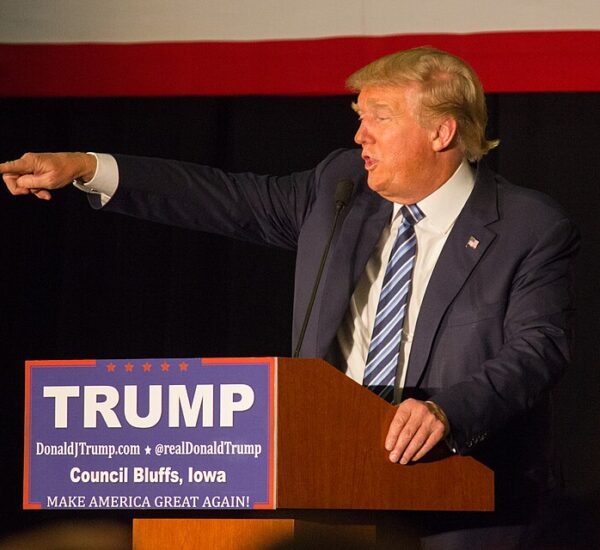
During the 2024 presidential election, Trump received more than 77 million votes, demonstrating the strength of his national coalition.
But presidential elections and midterm elections are very different contests.
Voter participation typically declines during midterms, and the party occupying the White House has historically struggled to maintain its congressional strength.
That creates a difficult situation for Republicans, who must persuade Trump supporters that the November elections matter even though the president is not personally seeking another term.
Republican Rep. Greg Steube of Florida previously emphasized the importance of getting Trump’s supporters to the polls, warning that low turnout could undermine Republican chances.
The challenge is especially important in competitive congressional districts where relatively small changes in voter participation could determine the outcome.
Republicans See Reasons for Optimism
Despite the difficult political environment, some Republican officials have pointed to encouraging signs among conservative voters.
House Majority Whip Tom Emmer previously highlighted polling suggesting strong enthusiasm among Trump’s most dedicated supporters.
Emmer argued that this enthusiasm challenges the assumption that Republican voters will stay home simply because Trump is not running.
Still, enthusiasm expressed in surveys does not automatically translate into votes.
Campaign organizations must identify supporters, communicate their priorities, and ensure that voters understand the stakes of congressional elections.
Republicans are also confronting a Democratic Party determined to regain power on Capitol Hill.
The Economy Remains a Major Concern
For millions of Americans, the upcoming elections are about more than political personalities.
The cost of groceries, gasoline, housing, healthcare, and other everyday necessities remains an important concern.
Trump and congressional Republicans have promoted policies involving taxes, domestic energy production, immigration enforcement, and reducing federal regulations.
Supporters argue that these priorities offer a path toward greater economic stability and stronger national security.
Democrats, meanwhile, have criticized the administration’s handling of economic pressures and have sought to make affordability a central issue in their campaigns.
The competing messages could prove especially important among independent voters and households struggling to manage their monthly expenses.
While Trump’s supporters may provide Republicans with a dependable foundation, winning closely contested districts could require broader support.
Control of Congress Is on the Line
The consequences of the midterm elections could extend well beyond November.
If Republicans retain control of the House and Senate, Trump would have a better opportunity to advance his legislative priorities during the remaining years of his presidency.
A Democratic victory in either chamber could significantly change that situation.
Democratic control of the House, for example, could bring additional congressional investigations, greater scrutiny of administration decisions, and more resistance to the president’s legislative agenda.
Republicans are therefore treating the elections as a referendum not only on their congressional candidates but also on the future direction of Trump’s presidency.
The president has encouraged his supporters to participate as though his own name were appearing on the ballot.
Whether that approach succeeds remains uncertain.
November Could Decide Trump’s Political Future
With Election Day approaching on November 3, the stakes continue to rise for both political parties.
Republicans are counting on committed supporters, strong local candidates, and enthusiasm for Trump’s agenda to help overcome the traditional disadvantages facing the president’s party.
Democrats are hoping economic dissatisfaction and opposition to administration policies will motivate voters seeking a change in congressional leadership.
Ultimately, Trump’s greatest political asset may be the millions of Americans who supported him in previous elections.
The central question is whether enough of those voters will return to the polls when he is not on the ballot.
The answer could determine which party controls Congress and how much of Trump’s agenda can move forward during the remainder of his presidency.