Cruz Hints At Presidential Run
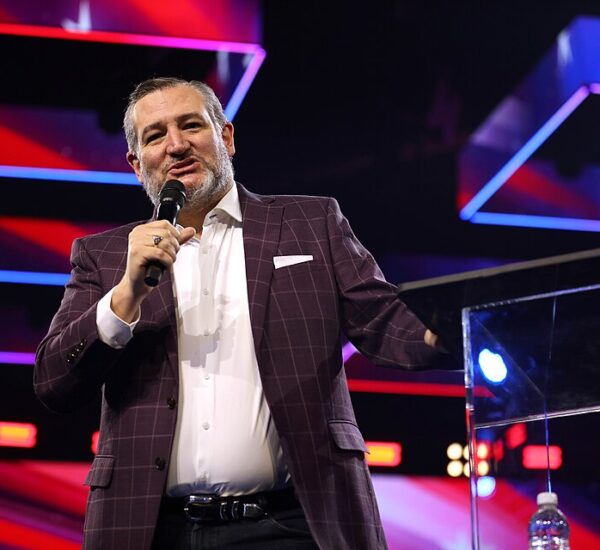
Sen. Ted Cruz is leaving the door open to another presidential campaign in 2028, raising the possibility of a high-profile Republican primary battle over who should lead the GOP after President Donald Trump.
The Texas Republican declined to rule out another White House bid during a Sunday television interview, but said his immediate attention remains on helping Republicans win the November midterm elections.
Cruz’s remarks come as Republicans increasingly look ahead to the party’s future, with Vice President JD Vance frequently mentioned as a possible 2028 contender.
But Cruz does not appear ready to concede the next Republican presidential nomination to anyone.
Ted Cruz Leaves Door Open to 2028 Presidential Campaign
During an appearance on NBC News’ “Meet the Press,” Cruz was directly asked whether he was seriously considering running for president in 2028.
Rather than ruling it out, Cruz suggested that the time for making such a decision has not yet arrived.
“The Book of Ecclesiastes tells us there’s a time for every season,” Cruz said. “This is not that season right now.”
Cruz said his current priority is campaigning around the country for Republican candidates ahead of the midterm elections.
“There will be a time for that conversation,” he added when pressed about his presidential ambitions.
For Republican voters already thinking about the party’s future, that answer is likely to fuel further speculation.
Cruz has run for president before, has national name recognition and remains one of the Senate’s most recognizable conservatives.
Cruz Pushes Back on Assumption JD Vance Is Trump’s Successor
Cruz has also challenged the idea that Republicans have already chosen Vice President JD Vance to become Trump’s political successor.
During a separate interview with MS NOW, Cruz said there will be plenty of time for Republicans to decide who should lead the party in the next presidential election.
“There’ll be time to figure that out,” Cruz said.
He then made another noteworthy comment.
“I’ll certainly be part of the discussion.”
Taken together, Cruz’s recent statements appear carefully designed to keep his political options open without launching a presidential campaign years before the election.
For conservative voters, the larger question could eventually become whether the Republican Party rallies around Vance or holds a competitive primary featuring several prominent Trump allies.
Trump Praises Ted Cruz
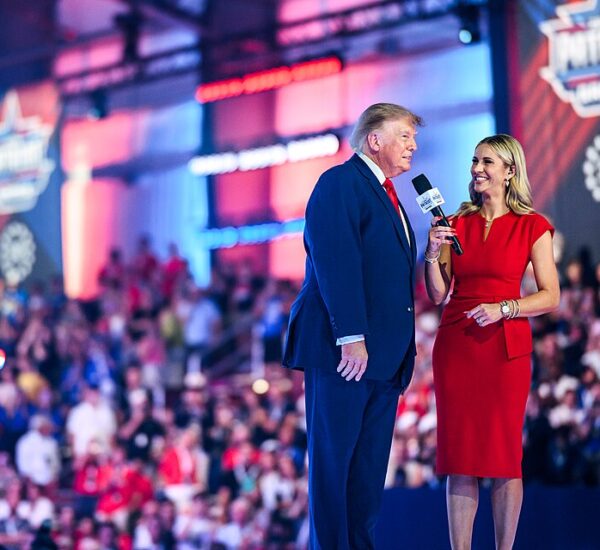
President Trump added to the 2028 speculation when he was asked Thursday about Cruz potentially seeking the presidency.
Trump had positive words for his former Republican primary rival.
“I would say that he’s very talented. He’s a very good friend of mine,” Trump said.
Asked whether Cruz might run, Trump acknowledged the possibility.
“I think he might do that, yeah,” the president said.
Trump’s praise illustrates just how dramatically his relationship with Cruz has changed since the 2016 Republican presidential campaign.
Trump and Cruz Were Once Bitter Political Rivals
Cruz was one of Trump’s strongest opponents during the 2016 Republican presidential primary.
The Texas senator won several states and built a significant following among conservative and evangelical Republican voters.
Their contest eventually became deeply personal, with both candidates exchanging harsh criticism as they competed for the GOP nomination.
Cruz suspended his campaign after losing the Indiana primary, allowing Trump to move closer to securing the Republican nomination.
But their relationship changed after the election.
Cruz eventually became a prominent Republican ally of Trump in the Senate and backed many of the president’s major policy priorities.
Nearly a decade after their bitter primary fight, Trump is now publicly describing Cruz as a talented politician and good friend.
That history could become particularly relevant if Cruz launches another presidential campaign in 2028.
What Would a Cruz 2028 Campaign Look Like?
Cruz would enter a future presidential race with several advantages.
He already has experience building a national campaign organization, participating in presidential debates and competing in Republican primaries across the country.
He also has strong name recognition among conservative voters.
At the same time, the Republican Party has changed considerably since Cruz first ran for president.
Trump has reshaped the GOP around issues including border security, trade, energy independence, foreign policy and an America First approach to government.
Any Republican hoping to win the 2028 nomination would likely face questions about how closely he or she intends to follow Trump’s agenda.
Vice President Vance could have a natural advantage in that debate because of his role in the Trump administration.
Cruz, however, could argue that his conservative record stretches back years and that he has extensive experience fighting for Republican priorities in Washington.
For now, that contest remains hypothetical.
Cruz says the 2026 midterms come first.
Cruz Calls for Free Elections in Venezuela
Cruz also used his Sunday interview to discuss major foreign-policy issues, including Venezuela.
The Texas senator called for democratic elections following the dramatic political changes that have taken place in the country.
“There need to be democratic, free elections in Venezuela,” Cruz said.
He argued that elections should take place by the middle of next year at the latest.
Acting Venezuelan President Delcy Rodríguez assumed power after U.S. forces captured Nicolas Maduro in January and brought him to the United States to face drug trafficking charges.
Cruz remains highly critical of Maduro and his former government.
“Delcy Rodríguez was Nicolas Maduro’s vice president,” Cruz said.
He described Maduro as an illegitimate Marxist leader who had remained in power against the will of Venezuelan voters.
Cruz said he believes the Trump administration is moving quickly toward securing elections in Venezuela.
Earlier this month, Cruz joined a bipartisan group of senators supporting a resolution affirming U.S. support for free and fair Venezuelan elections.
Venezuela Oil Deal Could Have Impact on U.S. Gas Prices
The future of Venezuela is not simply a foreign-policy question.
The country possesses enormous energy resources, meaning developments there could have economic consequences for American consumers and businesses.
The Trump administration announced that the United States had secured majority control of more than 65 billion barrels of proven Venezuelan oil reserves.
Cruz said the agreement could ultimately benefit Americans.
“The oil deal as announced sounds like it could have a very positive impact on the United States and the United States economy, on American jobs, and a very positive impact on gas prices over the long term,” Cruz said.
For Americans living on fixed incomes or carefully watching household expenses, gasoline and energy costs can have an impact far beyond the price displayed at the pump.
Higher transportation costs can eventually contribute to higher prices for groceries and other consumer goods because businesses must pay to transport products across the country.
That makes the future of Venezuelan oil potentially significant for American energy policy.
However, the ultimate impact on gasoline prices would depend on numerous factors, including production levels, infrastructure, global oil demand and how quickly additional supplies reach international markets.
Cruz Says Oil Agreement and Elections Can Move Forward Together
Cruz rejected the idea that Washington must choose between accessing Venezuela’s oil resources and pushing the country toward democratic government.
Instead, he argued that the two objectives can proceed simultaneously.
Cruz said elections should occur “no later than midway through next year.”
His position reflects a broader Republican argument that American foreign policy should protect U.S. economic and national-security interests while encouraging democratic reforms abroad.
Whether Venezuela follows through with genuinely competitive elections could therefore become another important test for the Trump administration.
Cruz Calls for Long-Term Regime Change in Iran
Iran was another major subject during Cruz’s Sunday interview.
The Texas senator said he wants the eventual collapse of Iran’s current government, although he opposed deploying American ground forces to accomplish that objective.
“I would like to see the longer-term objective be regime collapse,” Cruz said.
Rather than sending American troops into Iran, Cruz called for the United States to assist Iranians who want to remove their government.
“What I’ve been urging is for President Trump and the Trump administration to arm the protesters,” Cruz said.
He emphasized that his proposal would rely on Iranians themselves.
“Not American boots on the ground, but the Iranian people.”
The distinction could prove important among conservative voters who support a tough approach toward Iran but remain wary of committing U.S. ground troops to another prolonged conflict in the Middle East.
Cruz Says Initial Iran Mission Was Accomplished
Trump recently posted an image on Truth Social declaring “mission accomplished” regarding Iran.
Cruz said the president was justified in describing the initial military objective that way.
According to Cruz, the immediate mission of degrading Iran’s military capabilities had been accomplished.
But he believes America should maintain a broader long-term objective of seeing the Iranian government replaced.
His comments highlight an important debate that could continue inside the Republican Party.
One side favors maintaining maximum pressure on Tehran and supporting Iranians who oppose the government.
Other conservatives may be more cautious about policies that could expand America’s involvement in the conflict or create another lengthy overseas commitment.
Cruz’s position attempts to draw a line between those approaches: pressure the Iranian government and assist its domestic opponents without deploying American ground troops.
2028 Could Bring a Major Republican Primary Battle
Cruz’s comments about Venezuela and Iran offer a preview of the national-security positions he could emphasize if he decides to seek the presidency again.
But his most politically significant statement Sunday may have been what he refused to say.
He did not rule out 2028.
Instead, Cruz said there will eventually be a time for that conversation.
That leaves Republicans with an intriguing possibility.
Could the 2028 GOP presidential primary feature Ted Cruz against JD Vance and other prominent conservatives seeking to continue Trump’s political legacy?
Much could change before then, and Cruz has made no formal announcement.
For now, he says his priority is November’s midterm elections.
Once those races are finished, however, attention could quickly turn toward the next presidential campaign — and Cruz appears determined to keep his name in the conversation.