Gowdy Takes Lead In Key Race
Former Congressman Trey Gowdy is the overwhelming favorite among Republican voters in South Carolina’s upcoming special U.S. Senate election—despite repeatedly insisting he has no plans to enter the race.
A new poll suggests that many Republican voters still view Gowdy as their top choice, even as several candidates officially launch campaigns and President Donald Trump throws his support behind another contender.
The survey highlights just how competitive—and unpredictable—the race to replace the late Sen. Lindsey Graham has become.
Special Election Follows Lindsey Graham’s Death
The special election was called after longtime Republican Sen. Lindsey Graham died while campaigning for another Senate term.
To keep the seat filled until voters make their choice, South Carolina Gov. Henry McMaster appointed Darline Graham, the senator’s sister, as the temporary replacement.
She has since announced that she will seek election to a full six-year Senate term.
The race is expected to draw national attention because South Carolina remains one of the GOP’s most important states, and the winner will help shape the Republican majority in Washington.
Poll Shows Trey Gowdy Holding a Commanding Lead
According to a new survey conducted by Republican polling firm Peak Insights and first reported by Politico, Trey Gowdy dominates the Republican field.
The poll found:
- Trey Gowdy: 38%
- Rep. Ralph Norman: 13%
- Rep. Russell Fry: 9%
- Darline Graham: 9%
The survey was completed before Norman and Fry officially announced their campaigns, meaning the numbers could shift as the race develops.
Even so, Gowdy’s support places him well ahead of every announced candidate despite not actively campaigning.
Trump’s Endorsement Helps Darline Graham—But Gowdy Still Leads
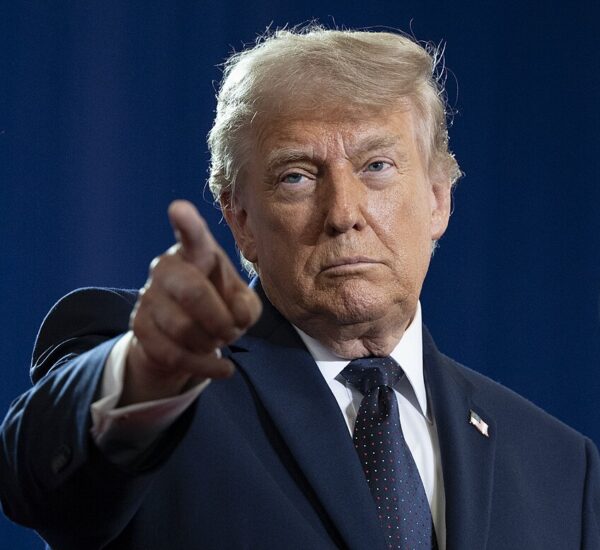
President Donald Trump recently endorsed Darline Graham, giving her an important boost among Republican voters.
The poll also tested how voters responded after learning about Trump’s endorsement.
Following that information:
- Darline Graham’s support climbed from 9% to 16%.
- Trey Gowdy’s support slipped only slightly, falling from 38% to 35%.
The results suggest Trump’s endorsement strengthens Graham’s campaign, but it has not erased Gowdy’s sizable advantage among Republican primary voters.
Gowdy Says He Isn’t Interested
Although many Republicans continue urging him to run, Trey Gowdy has made clear he has no desire to return to elected office.
The former South Carolina congressman served four terms in the U.S. House before choosing not to seek reelection in 2018.
A spokesperson told Politico that Gowdy has not discussed entering the Senate race and has no interest in becoming a candidate.
For now, his name remains popular with voters even though he continues to stay on the sidelines.
Tim Scott Wants Gowdy to Reconsider
One of Gowdy’s biggest supporters is fellow South Carolina Republican Sen. Tim Scott, who chairs the National Republican Senatorial Committee.
Scott has publicly encouraged Gowdy to enter the race and believes he would make an outstanding senator.
Scott praised Gowdy’s conservative credentials and said few people represent South Carolina’s values better.
He also acknowledged convincing Gowdy may be difficult but said he continues trying to persuade the former congressman to reconsider.
Republican Primary Could Become One of 2026’s Biggest Races
With multiple Republican candidates entering the contest, Trump’s endorsement now in play, and Trey Gowdy continuing to dominate polls despite refusing to run, the South Carolina Senate race is quickly becoming one of the GOP’s most closely watched elections.
If Gowdy ultimately stays out of the race, Republican voters will likely face a competitive battle between Trump-backed Darline Graham, Rep. Ralph Norman, Rep. Russell Fry, and any additional candidates who decide to enter before filing closes.
Political observers will be watching closely to see whether Trump’s endorsement is enough to reshape the race—or whether Republican voters continue searching for another conservative standard-bearer.
Poll Methodology
The Peak Insights survey interviewed 900 likely voters from July 18 through July 20. The poll carries a margin of error of plus or minus three percentage points.