Top US Prosecutor Sues Trump
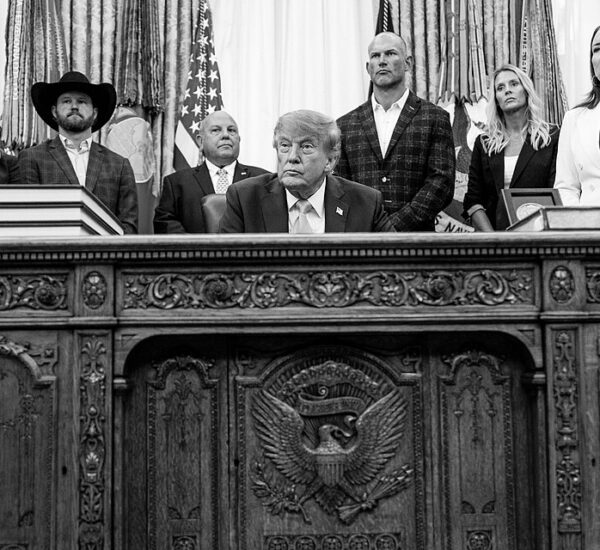
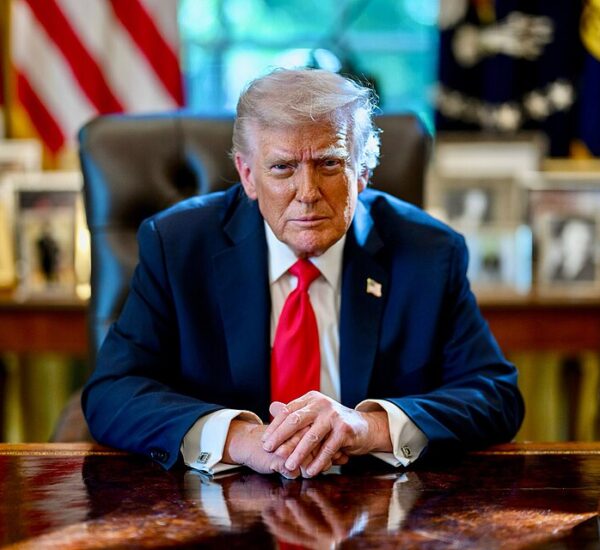
President Donald Trump is facing a major legal challenge after a federal prosecutor sued over his abrupt dismissal, setting up a high-profile court battle that could reshape the balance of power between the White House, the federal judiciary and Congress. At the center of the dispute is a constitutional question with nationwide implications: Can a president remove a U.S. attorney who was appointed by federal judges rather than nominated by the White House?
The outcome could establish an important legal precedent for future administrations and determine how vacancies in federal prosecutor offices are handled across the country.
Federal Prosecutor Fired Less Than One Hour After Taking Office
Roger Rogoff was sworn in last Wednesday as the U.S. attorney for the Western District of Washington after being unanimously selected by federal judges to fill a vacancy.
According to a lawsuit filed Tuesday, Rogoff’s time in office lasted less than an hour. He says the White House Presidential Personnel Office notified him by email that he had been removed shortly after taking the oath of office.
The swift dismissal has now sparked a legal battle over the limits of presidential authority and the role federal judges play in appointing temporary U.S. attorneys.
Why Rogoff Says Trump’s Firing Was Illegal
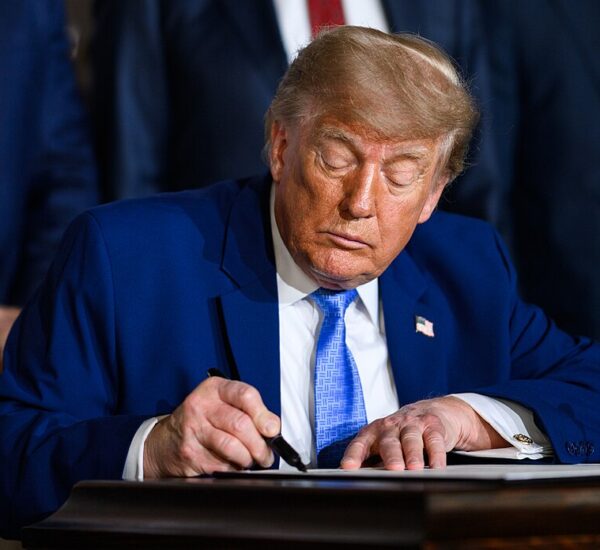
In his lawsuit, Rogoff names President Trump and Acting Attorney General Todd Blanche as defendants, arguing that his removal violated both the Constitution and federal law.
His attorneys contend that Congress gave federal district courts the authority to appoint interim U.S. attorneys when certain vacancies occur. Because Rogoff was appointed under that process, they argue the president cannot simply cancel the court’s decision without following the law governing presidential appointments.
The lawsuit also claims the Trump administration failed to follow federal statutes that outline how U.S. attorney vacancies must be filled. Rogoff is asking the court to declare him the lawful U.S. attorney until a permanent replacement is nominated by the president and confirmed by the Senate.
According to the filing, allowing the president to remove court-appointed prosecutors at will would undermine Congress’s authority and weaken the Senate’s constitutional role in confirming presidential nominees.
Justice Department Defends Trump’s Authority
The Justice Department strongly disputes Rogoff’s claims and maintains that President Trump acted within his legal authority.
A DOJ spokesperson said the federal judges did not coordinate with the department before making the appointment and argued that the dismissal was consistent with presidential authority over U.S. attorneys.
Acting Attorney General Todd Blanche also defended the decision publicly, stating that while federal judges may appoint temporary U.S. attorneys under certain circumstances, the president still retains the authority to remove them from office.
Blanche further criticized the judges in the Western District of Washington, saying they bypassed the long-standing practice of consulting with the administration before selecting a temporary U.S. attorney.
How U.S. Attorney Vacancies Are Filled
Federal law allows the attorney general to appoint an interim U.S. attorney for up to 120 days whenever a vacancy occurs.
If that 120-day period expires before the president nominates and the Senate confirms a permanent replacement, federal district judges may appoint someone to serve until the position is officially filled.
That judicial appointment process is how Rogoff assumed leadership of the U.S. attorney’s office.
The Justice Department, however, argues that regardless of who appoints a U.S. attorney, the president ultimately retains the power to remove that individual.
Legal experts say that issue has never been fully resolved in court, making this lawsuit especially significant.
Similar Disputes Have Emerged Under the Trump Administration
The Rogoff case is not the first dispute involving temporary U.S. attorney appointments during the Trump administration.
Former immigration judge Neil Floyd previously served as interim U.S. attorney for the Western District of Washington after taking office last October. When his 120-day appointment expired without a formal presidential nomination, the administration reassigned him as first assistant U.S. attorney while the top position officially remained vacant.
The administration has relied on similar legal strategies in other jurisdictions as well.
One of the most closely watched cases involved former Trump attorney Alina Habba. A federal appeals court later ruled that Habba had remained in the position beyond the period permitted under federal law. Prosecutors selected by then-Attorney General Pam Bondi to replace Habba were also found to be ineligible to serve, adding to the ongoing legal debate surrounding temporary appointments.
Why This Constitutional Fight Matters
While the dispute centers on one federal prosecutor in Seattle, its impact could extend far beyond Washington state.
If the courts rule in Rogoff’s favor, the decision could place new limits on presidential authority over court-appointed U.S. attorneys and reinforce Congress’s role in establishing the appointment process.
If the Trump administration prevails, presidents could gain broader authority to remove court-appointed prosecutors before permanent nominees receive Senate confirmation.
Either outcome would affect future administrations, the Justice Department and the federal court system whenever U.S. attorney vacancies arise.
What Happens Next?
A federal judge will now consider whether President Trump acted within his constitutional authority or exceeded the limits of executive power when Rogoff was removed.
Given the constitutional issues involved, legal observers expect whichever side loses to appeal the ruling. The case could eventually reach a federal appeals court—and potentially even the U.S. Supreme Court—where a final decision could clarify the president’s authority over court-appointed U.S. attorneys for years to come.