Here’s what happened.
The Trump administration has launched a new investigation into the unauthorized disclosure of sensitive government information, issuing subpoenas to several New York Times reporters after the newspaper published a story about security concerns involving President Donald Trump’s new Air Force One aircraft.
The move has quickly sparked debate over two important issues: protecting national security and preserving the freedom of the press.
According to The New York Times, four journalists received federal subpoenas requiring them to appear before a federal grand jury in Manhattan. The reporters identified by the newspaper are Eric Lipton, Julian E. Barnes, Tyler Pager, and Eric Schmitt. The paper also reported that federal agents personally delivered some of the subpoenas to the reporters’ residences.
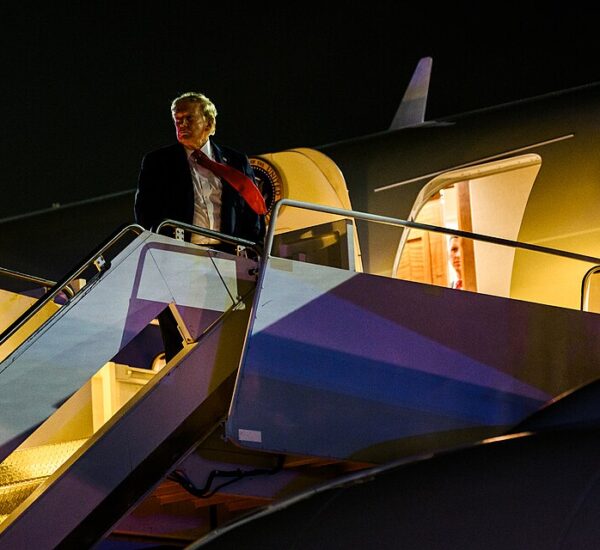
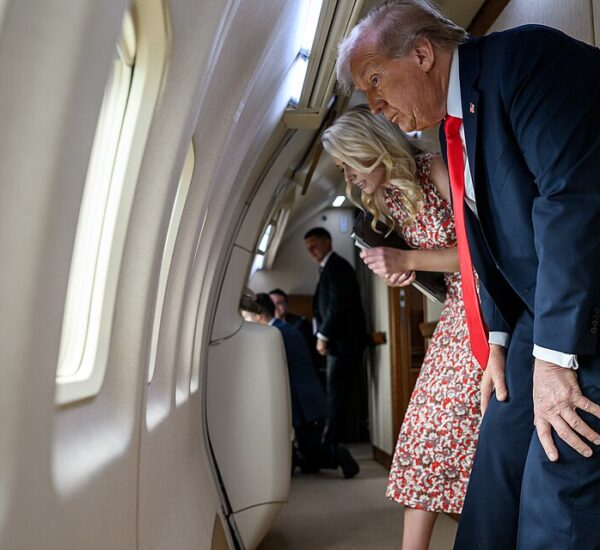
The subpoenas are part of a Justice Department investigation into the source of information used in a report about Trump’s newly retrofitted Boeing 747-8, which was donated by Qatar for presidential use.
Why Is the DOJ Investigating?
The Department of Justice says its investigation is focused on identifying government officials who may have improperly disclosed sensitive or classified information—not on prosecuting journalists.
A DOJ spokesperson said every administration has investigated unauthorized leaks involving national security because government employees who receive access to classified information are legally required to protect it.
Officials emphasized that members of the media are not considered the targets of the investigation. Instead, prosecutors are attempting to determine whether someone inside the government violated federal law by sharing protected information with reporters.
The department also acknowledged that leak investigations often create tension between the government’s responsibility to protect classified information and the press’s role in informing the public.
Report Raised Questions About Air Force One
The investigation follows a report claiming President Trump’s newly retrofitted Boeing 747-8 lacked certain defensive systems commonly found on presidential aircraft.
According to the newspaper, unnamed sources said the U.S. Secret Service recommended that Trump switch to an older Air Force One for part of his overseas trip because of security concerns.
The reported aircraft change occurred during Trump’s international travel as tensions remained elevated in the Middle East following U.S. military operations targeting Iran.
Because of the regional security environment, questions quickly emerged about whether the newer aircraft possessed the same protective capabilities as the traditional Air Force One fleet.
Trump Rejects Security Concerns
President Trump has publicly disputed the suggestion that security concerns prompted the aircraft change.
Instead, he said the stop allowed American service members stationed overseas an opportunity to view the new presidential aircraft.
When reporters later asked whether the switch was related to threats involving Iran, Trump responded that threats against the president are constant, noting that he remains a frequent target because of his position.
His comments dismissed the idea that the aircraft change reflected any immediate security problem with the plane.
Press Freedom Groups Criticize the Subpoenas
The subpoenas drew immediate criticism from media organizations and advocates for press freedom.
Attorneys representing The New York Times argued that sending federal agents to reporters’ homes raises serious concerns about the relationship between government investigators and the news media.
The NewsGuild of New York also criticized the subpoenas, saying journalists must be able to gather information and report on matters of public interest without intimidation.
Supporters of press freedom argue that confidential sources are often essential to investigative journalism and that aggressive leak investigations could discourage future whistleblowers.
National Security Leaks Remain a Serious Issue
Supporters of the Justice Department’s actions point out that unauthorized disclosures of classified information can jeopardize military operations, intelligence gathering, diplomatic negotiations, and the safety of American personnel.
For decades, administrations from both political parties have investigated leaks involving classified information. While each administration has approached the issue differently, preventing unauthorized disclosures has remained a bipartisan national security priority.
Government officials who receive security clearances agree to strict legal requirements governing how classified information may be handled and shared.
The Bigger Debate
This latest investigation highlights the ongoing challenge of balancing two important constitutional principles.
On one hand, Americans expect the federal government to protect classified information that could affect national security. On the other, many believe a free and independent press plays a critical role in holding government officials accountable and informing the public.
Those competing interests have often led to legal disputes whenever sensitive government information appears in news reports.
What Happens Next?
The grand jury proceedings will determine whether investigators can identify the source of the alleged leak and whether any laws governing classified information were violated.
Regardless of the outcome, the case is likely to receive significant national attention because it involves questions about presidential security, government transparency, classified information, and the limits of federal leak investigations.
As the investigation continues, the Justice Department maintains that its focus remains on individuals who may have improperly disclosed sensitive government information—not on the journalists who reported the story. The legal battle is expected to add another chapter to the long-running national debate over how to balance press freedom with the government’s responsibility to protect America’s national security.