Here’s what President Trump has decided to do.
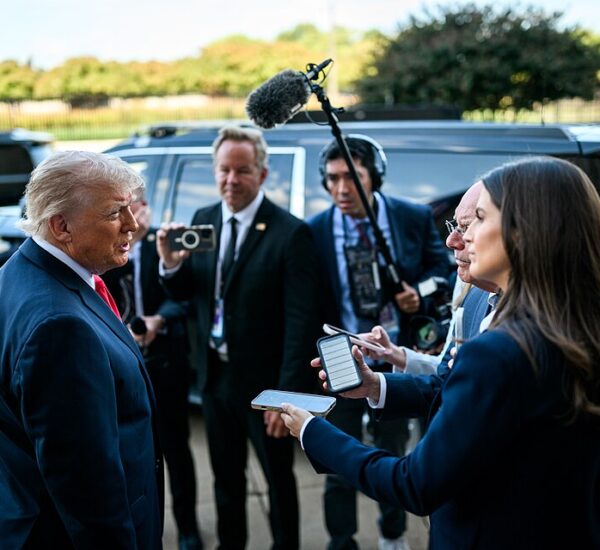
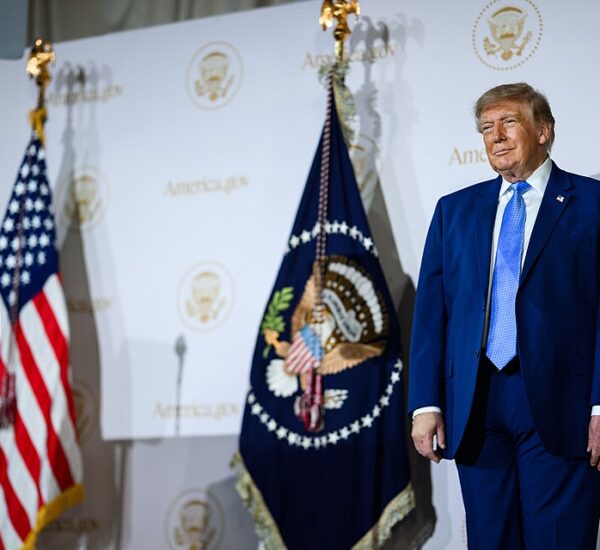
President Donald Trump announced Friday that he will not sign a major bipartisan housing bill approved by Congress, saying lawmakers failed to act on what he believes is a far more urgent priority: protecting America’s elections.
The decision sets up another high-profile showdown in Washington as Trump continues pushing Congress to pass the SAVE America Act, legislation aimed at strengthening safeguards against noncitizens voting in federal elections.
In a statement posted on social media, Trump made his position clear.
“I will not sign the Housing Bill, which has been fully approved by Congress and sent to the White House, in PROTEST over the fact that the United States Senate is not capable of passing THE SAVE AMERICA ACT,” Trump wrote.
Trump Puts Election Security First
The housing legislation, known as the 21st Century ROAD to Housing Act, is designed to encourage new home construction, increase housing supply, and help address rising home prices across the country.
However, Trump said election security must take precedence.
The SAVE America Act would establish additional measures intended to prevent non-U.S. citizens from voting in federal elections. The proposal currently does not have enough Republican support in the Senate to move forward.
Trump has repeatedly urged congressional Republicans to make the legislation one of their top priorities ahead of this year’s midterm elections.
He reinforced that message Friday, calling the Senate’s failure to pass the bill “CRAZY” and warning that lawmakers who oppose it could face political consequences.
Housing Bill Faces Uncertain Future
Under the U.S. Constitution, presidents generally have 10 days to sign or veto legislation after it reaches the White House. If no action is taken while Congress remains in session, the bill can become law without a presidential signature.
Trump first signaled his opposition last week when he postponed plans to sign the housing package, saying he wanted to use the legislation as leverage in his effort to advance the SAVE America Act.
Earlier this month, Trump also dismissed the housing bill as “a yawn,” arguing that requiring proof of citizenship for federal elections is a much more important issue facing the country.
Democrats Criticize Trump’s Decision
Democratic leaders quickly pushed back against Trump’s announcement.
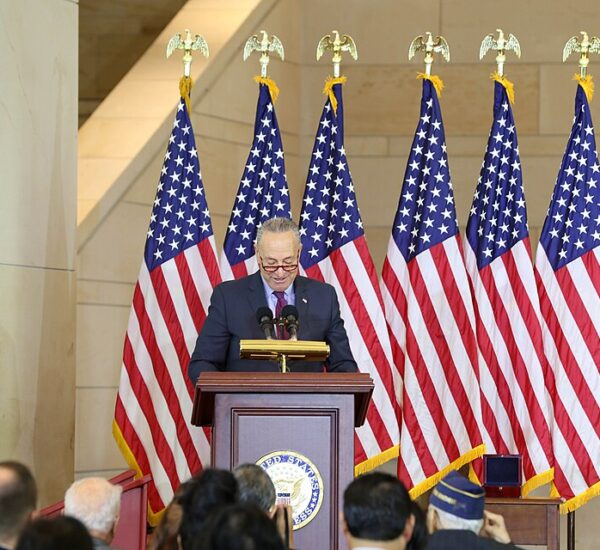
Senate Minority Leader Chuck Schumer argued that Americans struggling with rising housing costs deserve immediate action, accusing Trump of putting other priorities ahead of housing affordability.
House Minority Leader Hakeem Jeffries also criticized the decision, saying Congress should focus on making homeownership more affordable for working families.
Representative Jason Crow of Colorado echoed those concerns, pointing to higher mortgage payments and rising rents affecting households across the country.
The White House referred reporters to Trump’s public statement when asked for additional comment.
Home Prices Continue to Climb
The political debate comes as housing affordability remains a major concern for millions of Americans.
According to the National Association of Realtors, the median existing home price reached a record $440,600 in June, representing a 1.8% increase compared with one year earlier.
Lawrence Yun, the organization’s chief economist, said affordability has improved somewhat because wages have recently grown faster than home prices.
Still, Yun cautioned that the housing market could face additional pressure if the supply of available homes fails to keep pace with demand. Without more homes entering the market, prices could continue climbing, making homeownership more difficult for many American families.
The Political Battle Continues
Trump’s decision underscores how strongly his administration continues to prioritize election security heading into the midterm elections.
Supporters argue that strengthening safeguards for federal elections should come before advancing other major legislation, while critics believe Congress should focus first on addressing the nation’s housing affordability challenges.
With both issues remaining front and center in Washington, the debate over election integrity and the rising cost of housing is likely to continue in the weeks ahead, keeping pressure on lawmakers as they return to Capitol Hill.