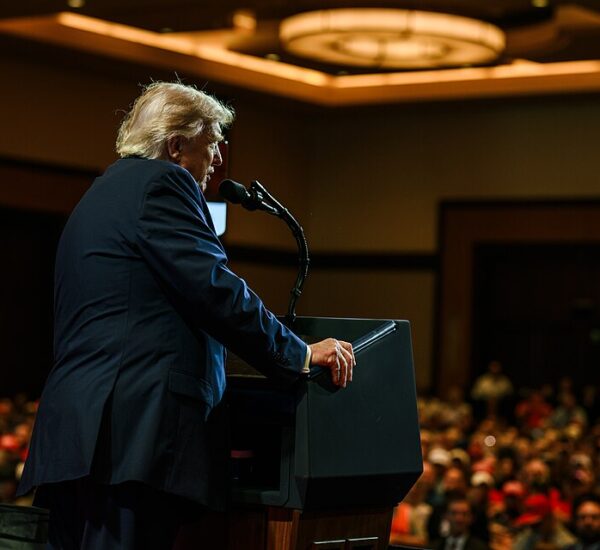
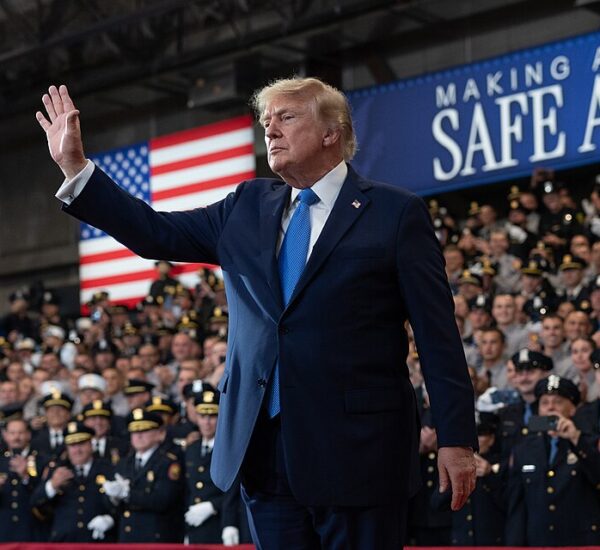
A New York Times White House correspondent is claiming President Donald Trump’s latest financial disclosure leaves major questions unanswered about the full scope of his family’s earnings while he is in office. Jonathan Swan said the more than 900-page disclosure details significant income, including more than $1 billion from crypto ventures, but argued it does not capture all of the money flowing into the Trump family through other business activities.
BACKGROUND
Swan made the remarks during a CNN interview alongside his co-author, Maggie Haberman, while discussing their book about Trump’s return to the White House. He pointed to Trump’s reported crypto earnings as especially notable because Trump had previously criticized cryptocurrency before later becoming involved in the industry. Swan also said Trump now oversees a regulatory system that affects the crypto industry while his family has substantial financial interests tied to it. According to Swan, the disclosure documents do not fully account for income that may come through Trump’s children, overseas business deals, and other ventures, and he argued that the public currently knows only a fraction of the family’s overall financial activity.
Trump Ending TPS For More Nations?
The Trump administration is taking another significant step in its effort to overhaul U.S. immigration policy after a major Supreme Court victory cleared the way for changes to Temporary Protected Status (TPS).
The Department of Homeland Security (DHS) is preparing to end TPS protections for nationals from seven countries, a move that could impact thousands of foreign nationals currently living and working in the United States.
The latest action follows a Supreme Court ruling that favored the Trump administration’s authority to move forward with ending certain TPS designations.
DHS Issues New Guidance
On Tuesday, U.S. Citizenship and Immigration Services (USCIS) released updated notices through the Systematic Alien Verification for Entitlements (SAVE) program.
The guidance applies to TPS beneficiaries from:
- Haiti
- Syria
- Somalia
- Yemen
- Ethiopia
- Burma (Myanmar)
- South Sudan
According to the notices, TPS-related documentation for affected individuals will remain valid only through July 10, unless additional court action changes the timeline.
Government agencies that use the SAVE system to verify immigration status have also been instructed to begin following updated verification procedures.
Supreme Court Clears the Way
The administrative move comes after the Supreme Court issued a 6-3 ruling in a case involving Haiti and Syria.
The Court sided with the Department of Homeland Security, lifting lower-court orders that had prevented the administration from moving forward with terminating TPS protections for those two countries.
USCIS emphasized that the July 10 deadline should not be viewed as a long-term extension. Instead, the agency described it as temporary administrative relief while lower courts adjust their rulings to comply with the Supreme Court’s decision.
That language indicates DHS believes the Court’s ruling provides legal support for broader action beyond just Haiti and Syria.
What Is Temporary Protected Status?
Temporary Protected Status is a humanitarian immigration program created by Congress that allows eligible foreign nationals already living in the United States to remain legally if conditions in their home countries make returning unsafe.
Those conditions can include:
- Armed conflict
- Natural disasters
- Political instability
- Other extraordinary emergencies
TPS recipients are generally protected from deportation while their designation remains active and are eligible to receive work authorization.
Although the program was designed to be temporary, many designations have been repeatedly extended over the years by multiple presidential administrations.
Trump Administration Seeks Immigration Reform
President Donald Trump has long argued that many TPS designations have continued well beyond their original purpose.
Administration officials maintain that the executive branch has the legal authority to determine when conditions in foreign countries have improved enough to justify ending protected status.
Supporters of the policy argue that temporary immigration programs should remain temporary rather than evolving into long-term residency without congressional approval.
The administration has made immigration enforcement and stricter application of existing immigration laws a central focus of its broader border security agenda.
Thousands Could Be Affected
The latest USCIS guidance does not indicate whether the Department of Justice has already asked every federal court overseeing TPS-related litigation to dissolve existing injunctions.
However, the notices make clear that DHS is preparing to wind down TPS protections beginning July 10 unless another court blocks the effort.
If the administration’s plan proceeds as expected, thousands of TPS beneficiaries could lose both their legal work authorization and protection from deportation.
The decision marks another major development in President Trump’s immigration agenda and highlights the administration’s continued effort to reduce the use of temporary immigration programs while expanding enforcement of existing immigration laws. As additional legal challenges unfold, the future of TPS for these seven countries will likely remain a closely watched issue.