A new government report says Social Security’s long-term financial outlook has worsened, increasing pressure on Congress to address the program’s funding challenges. The trustees project that the retirement and survivor trust fund can pay full scheduled benefits through 2033, after which incoming payroll taxes would cover about 77% of scheduled benefits if Congress does not act.
BACKGROUND
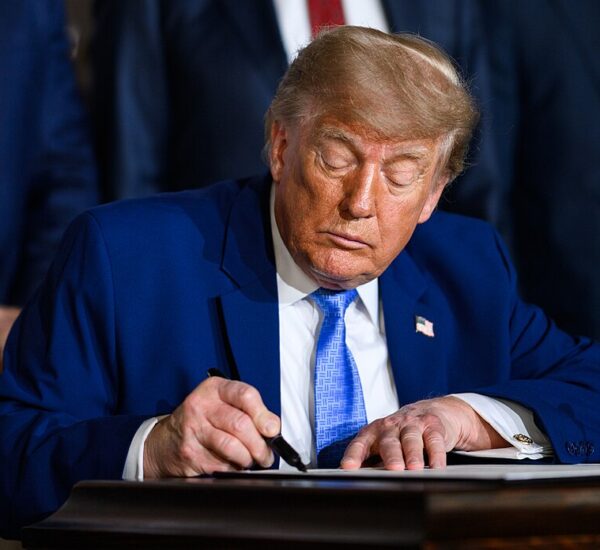
The trustees also projected that the combined retirement and disability trust funds will be able to pay full benefits through 2034, one year earlier than last year’s estimate, with enough revenue to cover about 81% of scheduled benefits after that. The report said Social Security’s finances were affected by the Social Security Fairness Act, signed into law earlier this year by President Donald Trump, which repealed two provisions that had reduced benefits for many public-sector retirees and increased the program’s projected costs. Lawmakers are advancing competing proposals to strengthen the program without reducing benefits, including Democratic bills that would expand payroll taxes on higher earners and increase certain benefits, as well as a bipartisan effort by Sens. Elizabeth Warren and Bernie Moreno to lift the payroll tax cap. The trustees urged Congress to act before the trust funds’ reserves are depleted, saying earlier action would provide more options and give workers and retirees additional time to prepare for any changes. More than 70 million Americans receive Social Security retirement, survivor, or disability benefits.
Trump’s Pentagon Hit With New Lawsuit
A former watchdog responsible for protecting the editorial independence of Stars and Stripes has filed a federal lawsuit against the Department of Defense, alleging she was fired after publicly criticizing new Pentagon policies affecting the military newspaper.
Jacqueline Smith, who served as the publication’s ombudsman, filed the lawsuit Thursday in federal court in Washington, D.C. She argues her dismissal violated her First Amendment rights and came shortly after she published an opinion piece questioning recent Defense Department directives.
According to the complaint, Smith was removed from her position just 10 days after writing that Pentagon officials were attempting to weaken the newspaper’s editorial independence.
Lawsuit Alleges Retaliation
Smith claims Defense Department leaders sought to exert greater influence over Stars and Stripes as part of a broader effort to shape media coverage involving national security and military affairs.
Her lawsuit argues that the newspaper’s independence has come under increasing pressure despite its long-standing mission of providing independent journalism for America’s service members.
At the time of her dismissal, Smith was nearing the end of her three-year appointment and had been expected to serve until December. As ombudsman, she was tasked with monitoring the newspaper’s editorial independence and reporting any concerns directly to Congress.
Why the Ombudsman Position Exists
Congress created the ombudsman position in 1991 after concerns emerged that military officials had attempted to suppress unfavorable reporting during the Iran-Contra era and other controversial events.
The role was designed to serve as an independent safeguard, helping ensure that Stars and Stripes could report freely without improper government interference.
Pentagon’s Editorial Changes Sparked Controversy
Earlier this year, the Pentagon announced new editorial guidelines for the military newspaper.
Among the changes, published content must remain consistent with “good order and discipline” within the armed forces. The policy also limits the publication from reprinting cartoons and articles from outside commercial news organizations, including The Associated Press.
Smith argued in her opinion column that these changes reflected a broader effort by Pentagon leadership to tighten oversight of media coverage while also reducing press access inside the Defense Department.
Top Defense Officials Named in the Lawsuit
The lawsuit names Defense Secretary Pete Hegseth, Deputy Defense Secretary Stephen Feinberg, and Pentagon spokesman Sean Parnell as defendants.
Smith specifically alleges that Parnell played a direct role in the decision to terminate her employment. She is seeking financial compensation for what she describes as lost income and emotional distress.
Long History of Editorial Independence
Although Stars and Stripes receives partial funding from the Defense Department and its employees are federal workers, the newspaper has operated under legal protections intended to preserve its editorial independence since 1994.
Smith’s case follows another lawsuit filed earlier this month by two members of the newspaper’s advisory board. That legal challenge similarly argues that recent Pentagon reforms threaten the publication’s independence and could allow government officials to exert greater influence over news coverage.
What the Lawsuit Seeks
Smith is asking a federal judge to block what the lawsuit describes as unprecedented efforts by the Pentagon to increase control over Stars and Stripes. The complaint argues the changes amount to government censorship and interfere with the newspaper’s independent mission of informing members of the U.S. military.
The Defense Department disputes those allegations.
Responding to the earlier lawsuit, Pentagon spokesman Sean Parnell said the legal claims are without merit and expressed confidence that the department will ultimately prevail in court.
The case is expected to draw attention as it moves through the federal court system, raising broader questions about press freedom, government oversight, and the balance between military leadership and independent journalism.