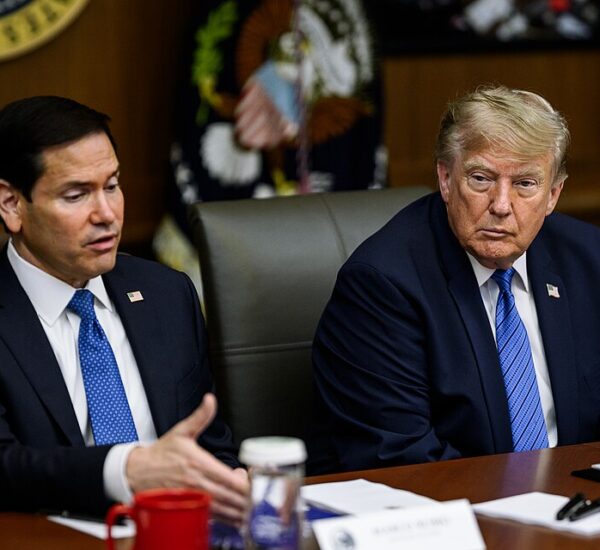
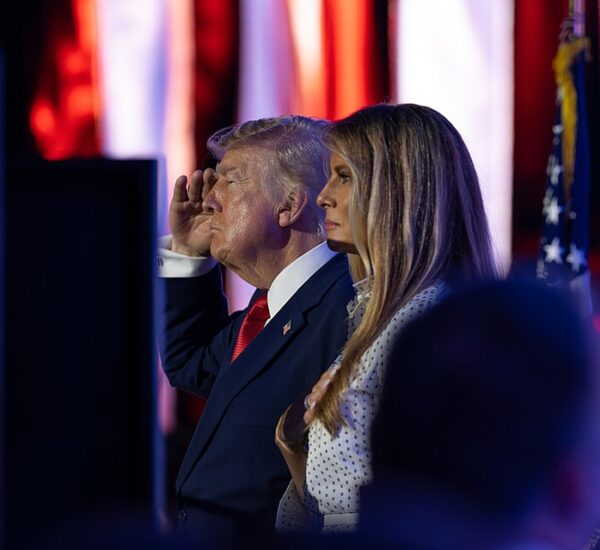
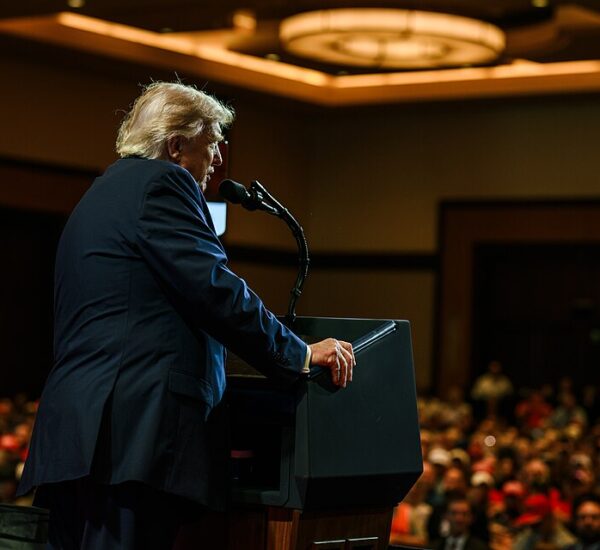
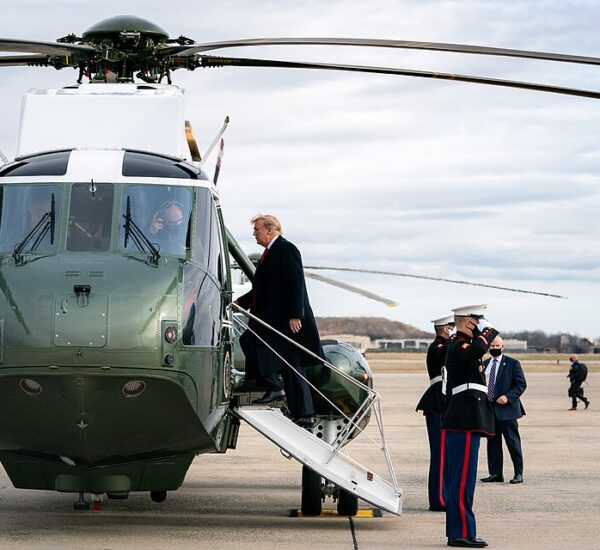
Rumors about the state of President Donald Trump and First Lady Melania Trump’s marriage are circulating after a report claimed the couple largely lives separate lives despite remaining married. The report cited an anonymous source who alleged there is limited interaction between the two outside of expected public appearances, while Melania reportedly spends much of her time in New York City and at Mar-a-Lago in Florida rather than at the White House.
BACKGROUND
According to the report, Melania Trump has long preferred spending time away from Washington and is said to maintain a high degree of independence in her daily life. An unnamed source claimed that after official obligations are completed, both return to pursuing their own interests separately. The report also stated that Melania attends necessary public events but otherwise focuses on activities of her choosing. However, the White House pushed back on the characterization of the couple’s relationship. A spokesman said President Trump and his administration remain focused on serving the American people and described the Trump family as “the most successful family of all time.”
Senate Takes Key Vote On Trump’s Iran Conflict
President Donald Trump suffered a rare setback on Capitol Hill Tuesday when four Republican senators joined Democrats to approve a resolution aimed at limiting his authority to conduct military operations involving Iran.
The vote marks one of the most significant Republican breaks with Trump on foreign policy during his second term and highlights growing divisions within the GOP over America’s involvement in overseas conflicts.
While the resolution does not carry the force of law, its passage by both the House and Senate sends a clear political message to the White House at a time when tensions in the Middle East remain high.
Four Republicans Break Ranks
The Senate approved the measure by a vote of 50-48 after Republican Senators Rand Paul, Susan Collins, Lisa Murkowski, and Bill Cassidy sided with Democrats.
Their votes gave supporters enough support to pass the resolution, which calls for the withdrawal of U.S. forces from hostilities involving Iran unless Congress provides authorization.
The measure falls under the War Powers Act of 1973, which was designed to give Congress greater oversight over military actions conducted by the executive branch.
What the Resolution Actually Does
Despite headlines suggesting a major policy shift, the resolution is largely symbolic.
Because it is a concurrent resolution, it does not require President Trump’s signature and cannot force the administration to change military policy.
However, congressional observers say the vote is politically significant because it represents bipartisan concern about expanding military involvement in the Middle East.
The resolution also allows exceptions for actions necessary to protect American troops, military assets, and key allies from imminent threats.
Trump Allies Push Back
Many Republicans argued that restricting the president’s authority during an international crisis would send the wrong message to America’s adversaries.
Supporters of Trump contend that commanders in chief must have the flexibility to respond quickly to threats without waiting for lengthy congressional debates.
The vote came just days after Trump warned Iran that further support for militant groups operating throughout the region could result in additional military action.
Those comments followed months of escalating tensions between Washington and Tehran.
Growing Divide Inside the Republican Party
The vote exposed a growing divide within the Republican Party over foreign policy.
One faction continues to support a more restrained approach that avoids deeper involvement in overseas conflicts.
Another faction argues that maintaining a strong military posture remains essential to protecting American interests and deterring hostile regimes.
That debate has become increasingly important as voters prepare for the 2026 midterm elections.
Why This Vote Matters
Although the resolution cannot directly change U.S. military policy, it demonstrates that concerns about executive power extend beyond party lines.
For Trump, the vote represents one of the few instances where Republicans have openly challenged his foreign policy decisions during his current term.
For Congress, it serves as a reminder that lawmakers still want a larger role in decisions involving war, military spending, and America’s global commitments.
Whether the vote leads to additional legislative efforts remains uncertain, but it signals that the debate over presidential war powers is far from over.
As tensions with Iran continue to dominate foreign policy discussions, both parties appear ready for a larger fight over who should have the final say when America moves closer to conflict.