
Trump is stunned and willing to help.
A deadly wave of violence swept through Chicago over the weekend, leaving six people dead, nearly 40 injured, and reigniting a fierce debate over crime, public safety, and political leadership.
As residents grappled with another bloody weekend in the Windy City, President Donald Trump publicly challenged Illinois Governor J.B. Pritzker, arguing that Democratic leaders have failed to get Chicago’s crime crisis under control.
Among the victims was a 14-year-old boy whose death devastated his youth football community. The teenager was remembered by teammates and coaches as family members mourned yet another young life lost to senseless violence.
The shootings unfolded over a three-day period and included a drive-by attack that sent multiple victims to area hospitals. According to police, roughly two dozen separate shooting incidents were reported across Chicago between Friday evening and Sunday night.
For many Americans watching from afar, the violence raised a familiar question: Why does one of the nation’s largest cities continue to struggle with violent crime despite years of promises from local leaders?
Deadly Weekend Leaves Dozens Of Victims
One of the most serious incidents occurred Friday night in Princeton Park on Chicago’s South Side, where gunmen reportedly opened fire into a crowd.
Twelve people were wounded in the attack and transported to nearby hospitals. Authorities said the victims included both men and women who were caught in the sudden burst of gunfire.
The violence continued later that evening when 29-year-old Mario Price was fatally shot in a drive-by attack. A 70-year-old bystander was struck as well and suffered injuries but was expected to survive.
Additional shootings continued throughout Saturday and Sunday, adding to the growing number of victims and intensifying concerns about public safety across the city.
The violence came on the heels of another heartbreaking tragedy. Earlier in the week, a 14-year-old boy was fatally shot multiple times. The teenager was a member of the Midwest Hawks youth football team, which released an emotional statement mourning his loss and expressing support for his grieving family.
Trump Calls Out Governor Pritzker
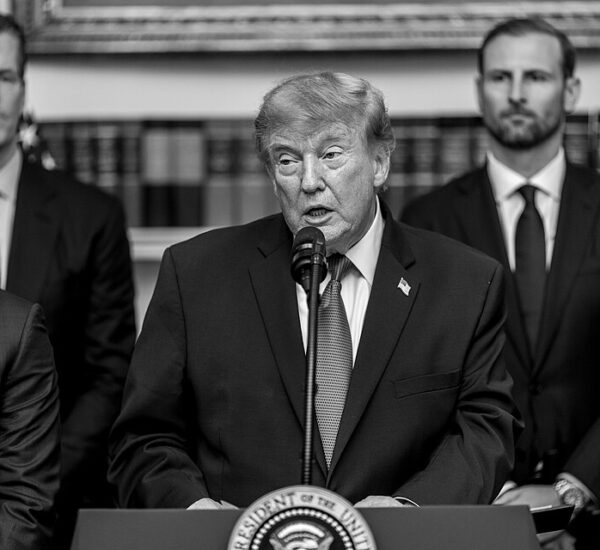
As news of the violence spread, Trump took to Truth Social to criticize Illinois leadership and question why state officials have not sought additional federal assistance.
Trump argued that violent crime remains a major problem in Chicago and questioned why Illinois Governor J.B. Pritzker has not sought federal assistance. He said he believes he could dramatically improve public safety in the city within a month and make Chicago one of the safest cities in the country within a year.
Trump also pointed to Washington, D.C., where he has repeatedly argued that aggressive law enforcement measures helped improve public safety and reduce crime.
“D.C. went from one of the worst to one of the safest cities in the U.S.,” the president added.
The comments reflect Trump’s long-standing position that federal resources should be used more aggressively to combat violent crime in major cities.
A Long-Running Political Battle
During his time in office, Trump repeatedly pushed for stronger federal involvement in cities facing serious crime challenges. His administration deployed federal personnel and National Guard resources to several metropolitan areas, including Portland, Los Angeles, Memphis, and Chicago.
Those efforts often sparked legal disputes and political backlash from Democratic leaders who argued that local authorities should remain in control of public safety decisions.
Pritzker has been among Trump’s most outspoken critics on the issue.
Pritzker, who is widely viewed as a possible Democratic presidential candidate in 2028, has consistently turned down Trump’s proposals to increase the federal government’s role in addressing crime and public safety issues in Chicago.
During a news conference last year, Pritzker bluntly told the president to stay away from the city, saying federal intervention was neither necessary nor welcome.
He accused Trump of attempting to expand federal power and argued that local officials were capable of managing public safety challenges without outside involvement.
Governor Previously Mocked Crime Concerns
Pritzker has also pushed back against claims that Chicago is experiencing an extreme crime problem.
During a late-night television appearance last year, the governor mocked portrayals of Chicago as a dangerous “war zone.” Wearing a protective vest during a comedy segment, he jokingly described the city as being overwhelmed by minor inconveniences rather than violence.
The remarks drew criticism from opponents who argued that city residents facing rising crime concerns were unlikely to find the jokes amusing.
Critics contend that repeated outbreaks of violence highlight deeper issues that state and city leaders have failed to address.
Crime Debate Shows No Signs Of Ending
With another deadly weekend now in the books, the political battle over Chicago’s future is likely to intensify.
Supporters of tougher law enforcement policies say the latest violence underscores the need for stronger action and greater accountability. Others argue that long-term solutions require investments in communities, education, and economic opportunity.
For families affected by the shootings, however, the debate is about more than politics.
As city leaders and national figures continue to trade blame, many Chicago residents are simply looking for safer streets and lasting solutions to a problem that has claimed far too many lives.
Pritzker must be sitting on the toilet eating a donut dropping his brain cells again.
What a fat useless POS disgraceful person he can’t even protect his own citizens cares more about illegals than the people paying his outrageous salary and supplying him with donuts. Democrats are a disgrace to our country and are destroying it everyday for power and more control over the American people. Vote these corrupt criminals out immediately.