Stacey Abrams Targets Trump
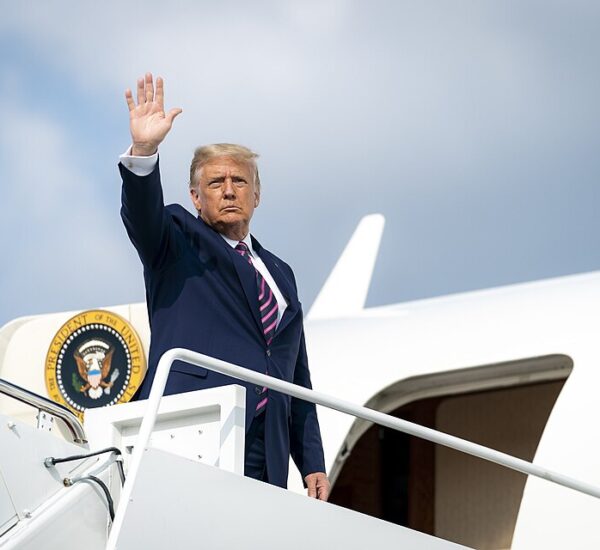
A new clash over election integrity is heating up after President Donald Trump signed a sweeping executive order targeting mail-in voting — and critics are already pushing back.
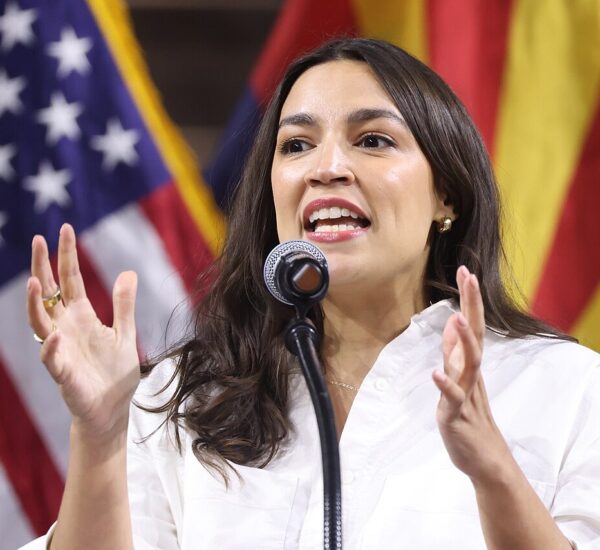
Former Georgia Democrat Stacey Abrams sharply criticized the move over the weekend, calling it unconstitutional. But supporters of the order argue it’s a long-overdue step to restore trust in America’s elections.
Trump’s New Mail-In Voting Rules Aim to Tighten Security
Earlier this week, President Trump introduced new federal guidelines designed to strengthen oversight of mail-in ballots — an issue that has remained front and center since the 2020 election.
The executive order includes several major changes:
- Ballots would only be delivered to verified, eligible voters
- A federal eligibility system would be developed with help from:
- Homeland Security leadership
- U.S. Citizenship and Immigration Services
- Social Security Administration officials
- Every mail-in ballot would feature a unique tracking barcode
- Federal authorities could take action against states that fail to follow election laws
Supporters say these reforms are about one thing: protecting election integrity and preventing fraud.
Democrats File Lawsuit Within Days
The response from the left was immediate.
More than 20 Democrat-led states filed a lawsuit challenging the order, arguing that the federal government is overstepping its authority.
Top Democratic leaders — including Chuck Schumer and Hakeem Jeffries — joined the legal push, signaling that this fight could quickly escalate to the highest courts.
Abrams echoed those concerns, claiming election rules should remain under state control.
A Familiar Divide: Access vs. Security
At the heart of the debate is a long-running disagreement over how elections should be handled.
Democrats argue that mail-in voting improves access for:
- Seniors
- Rural voters
- Students living away from home
- Working Americans with busy schedules
But many conservatives — including President Trump — have consistently raised concerns about the security risks of widespread mail-in voting, particularly when safeguards are weak.
For millions of Americans, the issue isn’t just convenience — it’s confidence in the outcome.
Ballot Tracking Raises New Questions
One of the most talked-about parts of the order is the requirement for ballot tracking systems.
Critics, including Abrams, claim the system could lead to expanded federal oversight of voters.
However, supporters argue the opposite — saying tracking ballots is no different than tracking packages, and is a basic step toward transparency and accountability.
What Happens Next Could Impact Future Elections
With lawsuits already underway, the fate of Trump’s election reforms will likely be decided in federal court.
This legal battle could shape how Americans vote for years to come — especially as concerns about election integrity remain a top priority for many voters.
The Bottom Line
President Trump’s executive order represents one of the most aggressive efforts yet to reform mail-in voting nationwide.
While critics frame it as federal overreach, supporters see it as a necessary safeguard to protect American democracy.
One thing is certain: This debate is far from over — and the outcome could have lasting consequences for future elections.