Americans are being warned: another economic shock may already be underway—and it could hit your wallet fast.
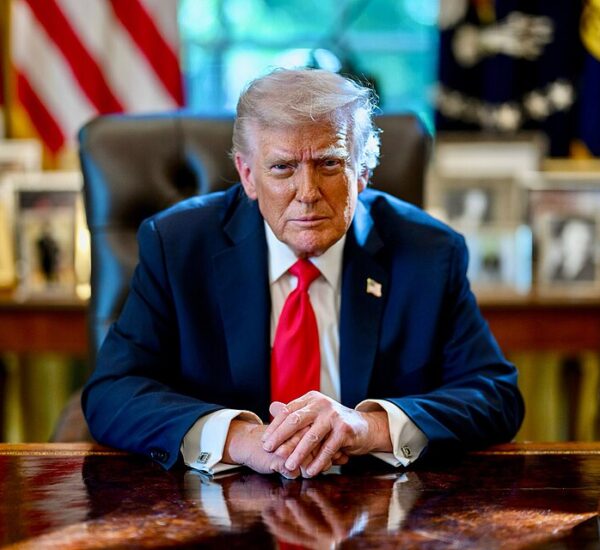
Federal Reserve Chairman Jerome Powell raised fresh concerns Monday about rising inflation and surging energy prices, signaling that the U.S. economy may be entering yet another period of financial strain. Meanwhile, President Donald Trump has not yet publicly addressed the latest developments, leaving many Americans watching closely for leadership.
New Economic Threat Emerging
Speaking to students at Harvard University, Powell outlined a troubling pattern: the U.S. economy has been hit by one supply shock after another—and now a new one is forming.
First came the COVID-19 pandemic.
Then tariffs added pressure.
Now, a Middle East-driven oil disruption is threatening to push prices higher once again.
According to Powell, inflation has improved but remains stubbornly above the Federal Reserve’s 2% goal.
- Inflation peaked at 9.1% in 2022
- Fell to around 3% recently
- Still not back to safe levels for long-term stability
“We were getting close,” Powell explained, “but now we’re facing another supply shock.”
Gas Prices Surge—And Americans Feel It
This latest warning comes as energy prices skyrocket.
- U.S. oil prices have surged past $100 per barrel
- Global benchmarks are nearing $120
- Gas prices have jumped 34% in just one month
According to AAA:
- Last month: $2.98 per gallon
- Now: $3.99 per gallon
For millions of Americans—especially seniors and retirees—this isn’t just economic theory. It’s a direct hit to everyday life.
Higher gas prices mean:
- More expensive groceries
- Increased travel costs
- Higher utility bills
And for those on fixed incomes, the squeeze is immediate.
A Familiar Pattern—But With New Risks
Powell made it clear this isn’t an isolated issue.
“We’ve gone from pandemic shock, to tariff shock, and now to an energy shock,” he said.
The biggest concern? No one knows how bad it could get.
That uncertainty is what’s keeping markets—and families—on edge.
Federal Reserve Holds Steady (For Now)
Despite the warning signs, the Federal Reserve is not taking immediate action.
Instead, Powell signaled a “wait and see” strategy, meaning:
- Interest rates could go up if inflation worsens
- Rates could go down if the economy slows
For now, markets expect stability:
- About 80% chance rates stay at 3.5%–3.75% through the year
Why This Matters for You
If you’re over 50, this situation matters more than most.
Rising inflation and energy costs can:
- Erode retirement savings
- Reduce purchasing power
- Increase monthly expenses quickly
And unlike younger workers, there’s less time to recover from economic shocks.
What to Watch Next
With global tensions rising and oil markets tightening, the next few weeks could be critical.
Key questions remain:
- Will gas prices continue climbing?
- Will inflation spike again?
- Will the Fed be forced to act?
- And when will the White House respond?
One thing is clear: economic pressure is building again—and Americans may soon feel it even more.