GOP Senator Considers 2028 Run
Sen. John Kennedy is leaving the door open to a possible White House campaign in 2028, although the Louisiana Republican says his immediate focus remains on winning another term in the U.S. Senate.
During a Sunday appearance on NBC News’ “Meet the Press,” Kennedy was asked directly whether he was considering a presidential bid.
Kennedy said his current plan is to seek reelection to the Senate. However, he acknowledged that circumstances could eventually lead him to consider running for president.
The Louisiana senator explained that if he reached a point where he believed he could no longer be effective in the Senate, he would be willing to look at other options.
Kennedy also made clear that the quality of the Republican presidential field could influence his decision.
Using the colorful language that has become one of his political trademarks, Kennedy suggested he could enter the race if he believed the Republican field was filled with candidates he considered unqualified and one of them appeared capable of winning the nomination.
For now, however, Kennedy emphasized that his attention remains on his Senate reelection campaign.
Kennedy’s comments add another prominent Republican name to the growing list of politicians being discussed as possible contenders for the 2028 presidential nomination.
No major candidate has formally launched a 2028 presidential campaign, but speculation is already building in both parties. Several Republicans and Democrats have either expressed interest in running or declined to rule out a future campaign.
Vice President JD Vance is widely viewed as one of the most likely Republican contenders if he chooses to enter the race.
When Kennedy was asked specifically about Vance, however, he declined to evaluate a potential rival.
Kennedy said he was not ready to discuss other possible candidates and suggested that the presidential contest would benefit from having a broad field of contenders in both parties.
That position could appeal to Republican voters who want a competitive primary rather than an early coronation of any single candidate.
Kennedy, who is known for his sharp one-liners, conservative voting record and frequent criticism of Washington bureaucracy, could bring a different political style to a future Republican primary.
His blunt communication style has helped him build a national profile far beyond Louisiana, particularly among conservative voters who appreciate politicians willing to challenge establishment thinking and speak in plain language.
Still, a Kennedy presidential campaign remains purely hypothetical.
He is scheduled to face voters again in Louisiana in 2028, meaning he would have major political decisions to make if he ultimately became serious about seeking the presidency.
The 2028 election could also represent a major turning point for the Republican Party.
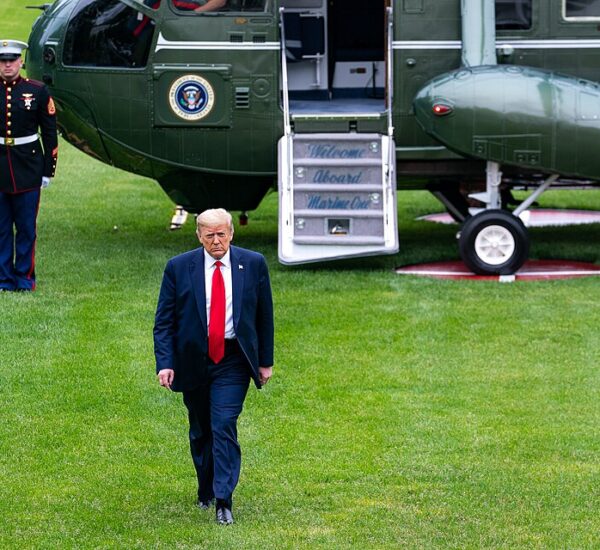
President Donald Trump will not be the Republican presidential nominee in 2028, meaning GOP voters will be choosing a new standard-bearer for the first time in several election cycles.
That could create a wide-open Republican primary involving candidates from different wings of the party, including Trump administration officials, governors, senators and other nationally recognized conservatives.
Vance would likely enter such a contest with significant advantages, including his position as vice president and his close association with the Trump administration.
But Republican presidential primaries have frequently produced surprises, and Kennedy’s national recognition, political experience and unmistakable speaking style could make him a noteworthy contender if he decides to run.
His latest comments suggest he is not actively campaigning for the presidency today, but he is also making sure Republican voters know the possibility remains on the table.
For conservatives looking ahead to the future of the Republican Party after Trump, Kennedy’s remarks raise an important question: What kind of candidate should lead the GOP into its next chapter?
The answer may become much clearer as the 2028 election approaches and potential candidates begin making their intentions known.