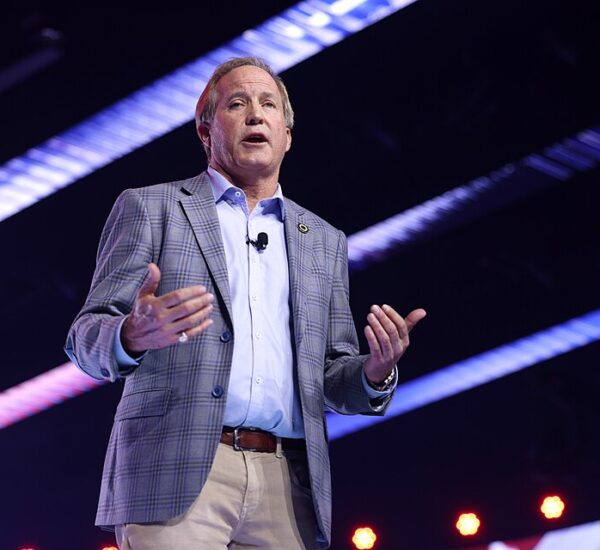
A public dispute between two senior Republican lawmakers has raised fresh questions about unity within the GOP after a disagreement over hosting a major international parliamentary summit in 2027. Sen. Roger Wicker of Mississippi and Rep. Joe Wilson of South Carolina have clashed over whether Charleston should host the Organization for Security and Cooperation in Europe Parliamentary Assembly, with the disagreement escalating during the delegation’s recent trip to the Netherlands.
BACKGROUND
Wilson has spent more than a year promoting Charleston as the host city, saying preparations are already underway with support from the executive branch, Congress, South Carolina officials, and private-sector partners. According to Semafor, Wicker initially supported federal funding for the event before later arguing Charleston lacked sufficient catering capacity and that staffing costs would be too high, leading him to announce the United States would not host the 2027 session. The dispute intensified after Wicker briefly told Wilson he was no longer welcome on the congressional delegation’s return flight before later reversing that decision. Wilson has rejected Wicker’s concerns, disputed claims that House Speaker Mike Johnson wanted him to abandon the effort, and said he remains committed to securing funding and bringing the 2027 OSCE Parliamentary Assembly to Charleston.
Oil Prices Surge Under Trump
Oil prices climbed sharply Tuesday after the United States tightened sanctions on Iranian oil exports following attacks on commercial vessels near the Strait of Hormuz, raising new concerns about global energy supplies and the potential for higher gasoline prices.
International benchmark Brent crude jumped more than 5 percent, climbing above $75 per barrel as traders reacted to escalating tensions in the Middle East. Energy analysts warn that continued instability in the region could keep oil prices elevated and eventually increase fuel costs for American families and businesses.
U.S. Responds to Shipping Attacks
The price spike followed a decision by the U.S. Treasury Department to end a key sanctions waiver that had allowed certain transactions involving Iranian oil.
Under the revised guidance, businesses operating under the waiver must wind down authorized transactions by July 17, several weeks earlier than previously expected. The waiver had originally allowed some Iranian oil sales through late August as part of a broader understanding between Washington and Tehran.
A U.S. official said the agreement depended entirely on Iran’s conduct.
According to the official, Iran would only receive economic benefits if it complied with the terms of the arrangement. Following the attacks near the Strait of Hormuz, the administration concluded that Iran’s actions warranted a stronger response.
Iran Rejects the U.S. Decision
Iran quickly condemned Washington’s move.
Deputy Foreign Minister Kazem Gharibabadi argued that ending the sanctions relief violated the existing memorandum of understanding and accused the United States of failing to honor its commitments.
He also pointed to Israel’s continued military presence in Lebanon and warned that Iran would take what he described as decisive measures to defend its national security and economic interests.
The remarks highlighted the growing strain between Tehran and Washington as regional tensions continue to rise.
Commercial Ships Targeted Near Strait of Hormuz
The sanctions decision came after several commercial vessels were reportedly attacked near the Strait of Hormuz.
The U.K. Maritime Trade Operations said a commercial tanker caught fire after being struck by a projectile, prompting heightened security concerns across one of the world’s busiest shipping lanes.
U.S. Central Command later launched military strikes in response to the attacks.
Qatar also accused Iran of targeting the liquefied natural gas vessel Al-Rekayyat, calling the incident a violation of international law and increasing fears that additional shipping routes could be threatened.
Why the Strait of Hormuz Matters
Approximately one-fifth of the world’s oil and natural gas exports move through the narrow passage linking the Persian Gulf to the Gulf of Oman. Any disruption along this vital shipping route can quickly ripple through global energy markets, driving higher crude oil prices and increasing fuel costs for consumers.
Because so much of the world’s energy supply depends on safe passage through the strait, investors closely monitor any military activity or shipping disruptions in the region.
What Higher Oil Prices Could Mean for Americans
When crude oil prices rise sharply, consumers often feel the effects in the weeks that follow.
Higher oil prices can contribute to increased gasoline and diesel costs, raising transportation expenses for families while increasing operating costs for businesses. Those higher costs can also place additional pressure on inflation, affecting everything from groceries to household goods.
While it remains unclear whether prices will continue climbing, energy markets are expected to remain volatile as the United States and Iran exchange diplomatic and military responses.
Investors, policymakers, and American consumers will be watching closely to see whether additional sanctions, military actions, or shipping disruptions lead to further increases in oil prices during the weeks ahead.