Cuban Americans Praise Trump
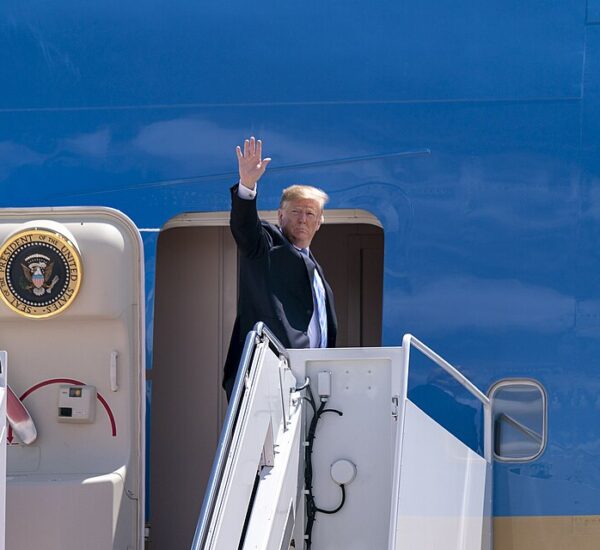
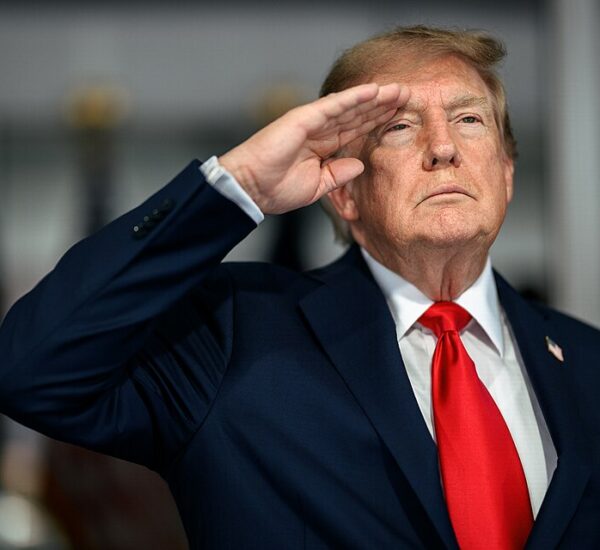
Florida Republicans with family roots in Cuba are welcoming President Donald Trump’s latest message to Havana after he described the communist-led country as an “absolutely failed state” during a major address before the United Nations.
Trump delivered the remarks on September 22 during the 81st session of the United Nations General Assembly in New York, putting renewed attention on U.S.-Cuba relations, economic sanctions and the future of the island’s government.
The president said Cuba is facing severe economic and political challenges and suggested that major changes could be ahead.
Trump also revealed that Secretary of State Marco Rubio is involved in negotiations with Cuban officials, although few details about those discussions have been publicly released.
Trump Targets Cuba During United Nations Speech
During his U.N. address, Trump sharply criticized Cuba’s government and said his administration is seeking what he called a “fundamental change” in the country’s situation.
Cuba’s delegation walked out of the assembly hall while Trump was speaking.
Cuban Foreign Minister Bruno Rodriguez later rejected Trump’s remarks and accused the U.S. president of making false claims about the island.
The exchange highlighted the widening disagreement between Washington and Havana as the Trump administration continues applying political and economic pressure on Cuba.
Marco Rubio Takes Major Role in Cuba Policy
Rubio’s involvement is especially notable because of his long history with Cuban-American issues.
The secretary of state was born in Miami to Cuban immigrant parents and previously represented Florida in the U.S. Senate.
Throughout his political career, Rubio has supported a tougher U.S. approach toward Cuba’s communist government and has frequently spoken about political prisoners, human rights, economic conditions and democratic reforms on the island.
Trump’s disclosure that Rubio is directly involved in negotiations suggests the secretary of state could play a central role in determining what comes next in U.S.-Cuba relations.
As of September 27, neither government had publicly released substantial details about the discussions.
Florida Republican Praises Trump’s Approach
Florida state Rep. Juan Carlos Porras, a Miami-area Republican whose parents fled Cuba, praised the administration’s strategy.
Porras told the Daily Signal that he believes Cuba’s government is suffering from a lack of economic strength, political legitimacy and long-term stability.
He also credited Trump with applying significant pressure on Havana through sanctions and other federal actions.
Porras has argued that these measures could eventually contribute to political change on the island.
Whether Cuba is approaching such a transition remains uncertain, however, and Cuban officials continue to reject predictions that the existing government is nearing collapse.
Cuba’s Economic Problems Remain Severe
Cuba continues to face serious economic challenges.
Residents have dealt with recurring electrical blackouts, fuel shortages, food supply problems and difficulties obtaining other essential goods.
The country’s broader economic problems have developed over many years and involve a combination of domestic economic policies, declining productivity, limited foreign investment, U.S. sanctions and other international pressures.
Washington has increasingly focused its economic measures on businesses and institutions connected to Cuba’s military establishment.
One of the most prominent targets is Grupo de Administración Empresarial S.A., commonly known as GAESA.
The sprawling military-linked conglomerate has interests throughout important areas of the Cuban economy.
U.S. officials have said GAESA controls or influences a large share of economic activity on the island, although estimates of its precise economic footprint vary.
U.S. Sanctions Increase Pressure on Havana
Economic sanctions remain one of Washington’s primary tools for dealing with Cuba.
Supporters of sanctions argue that reducing the government’s access to foreign revenue can increase pressure for political reforms, greater civil liberties and changes in economic policy.
Critics counter that economic restrictions can also worsen shortages faced by ordinary Cuban citizens.
That debate has shaped American policy toward Cuba for decades and remains unresolved.
The Trump administration has signaled that it intends to maintain substantial pressure while simultaneously pursuing diplomatic discussions.
Raul Castro Named in Federal Criminal Case
Another major development came in May when the U.S. Justice Department announced charges involving former Cuban President Raul Castro and five other Cuban officials.
The case concerns the February 24, 1996, shootdown of two civilian aircraft operated by Brothers to the Rescue, a Miami-based organization established by Cuban exiles.
Cuban military aircraft shot down the planes, killing four people, including three U.S. citizens.
Federal prosecutors allege that Cuban officials were involved in a conspiracy connected to the deaths.
The charges include conspiracy to kill U.S. nationals, murder and destruction of aircraft.
As with all criminal proceedings, the allegations contained in an indictment are not proof of guilt, and defendants are presumed innocent unless proven guilty in court.
1996 Shootdown Remains Important in South Florida
The Brothers to the Rescue incident continues to carry particular significance in South Florida’s Cuban-American community.
The organization conducted flights intended to assist Cubans attempting to leave the island and became closely associated with Miami’s exile community.
The deaths of the four men became one of the most serious confrontations between the United States and Cuba during the 1990s.
The new federal case has brought renewed attention to an event that remains deeply significant to many Cuban-American families.
Other Florida Republicans Speak Out
Miguel Granda, a Republican candidate for a Florida House seat and former legislative aide to state Rep. David Borrero, also criticized conditions under Cuba’s political system.
Granda told the Daily Signal that generations of Cubans have experienced restrictions on political expression and personal freedoms while also dealing with economic hardship.
Sweetwater City Commissioner Ian Vallecillo separately emphasized Rubio’s background and experience.
Vallecillo said Rubio’s Cuban heritage gives him a distinctive perspective as the Trump administration determines how to approach Havana.
Those comments reflect the continuing influence of Cuba policy in Florida, particularly in communities with large Cuban-American populations.
What Could Happen Next Between the U.S. and Cuba?
The direction of negotiations remains unclear.
Trump has publicly confirmed that discussions are taking place, but the White House, State Department and Cuban government have disclosed relatively little about their substance.
Important questions include whether the talks involve economic sanctions, political prisoners, migration, diplomatic relations, energy supplies, human rights or broader political reforms.
Previous negotiations between Washington and Havana have repeatedly stalled as administrations changed and disagreements over sanctions and political conditions persisted.
That history makes the outcome of the latest discussions difficult to determine.
Cuba Remains a Major Foreign-Policy Issue
More than six decades after the Cuban Revolution transformed relations between Washington and Havana, Cuba remains an important foreign-policy issue for the United States.
For many Cuban Americans in Florida, the subject is also personal.
Families who fled the island have continued to follow developments involving political freedoms, economic conditions and relations with Washington.
Trump’s latest U.N. speech has again placed those issues in the national spotlight.
The administration is combining economic pressure with diplomatic negotiations, while Cuban officials continue defending their government and criticizing U.S. sanctions.
What happens next will depend largely on whether negotiations produce concrete agreements — or whether relations between Washington and Havana enter another period of heightened confrontation.