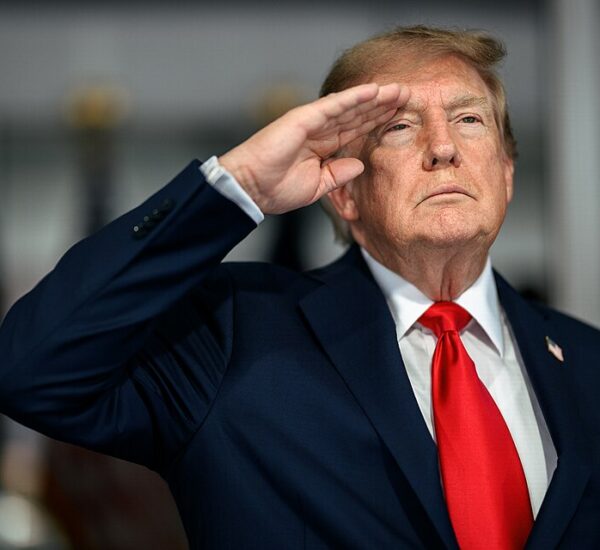
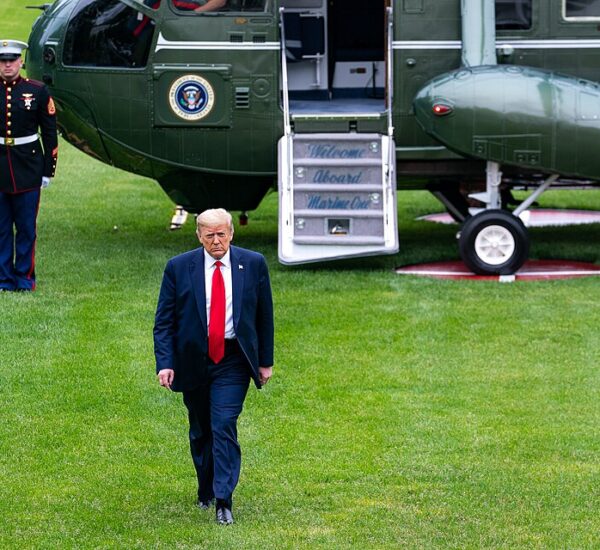
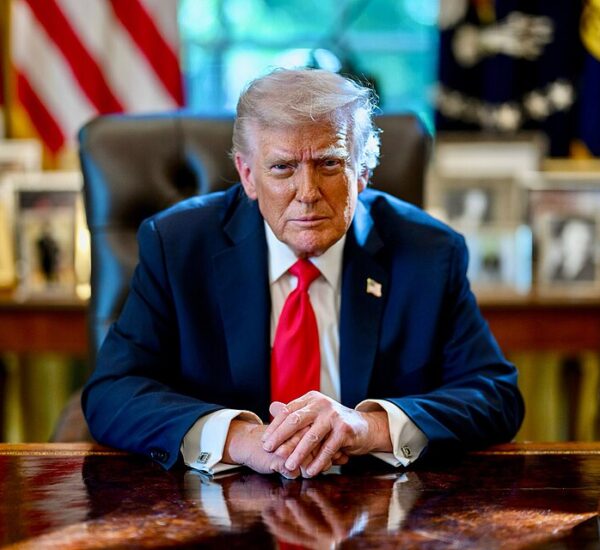
Australian soccer fans have made their feelings about President Donald Trump clear ahead of the FIFA World Cup match between the U.S. Men’s National Team and Australia. The Group D matchup in Seattle comes after the USMNT’s 4–1 win over Paraguay, with group positioning still at stake. Trump’s presence is also part of the broader backdrop of the tournament, as questions circulate over how visiting supporters may react during the event.
BACKGROUND
The World Cup is being hosted across the United States, Mexico, and Canada, with Trump scheduled to play a prominent role in the trophy presentation at next month’s final in the New York/New Jersey area. His influence has been noted around the tournament, including concerns that chants or chants of protest from visiting supporters could continue during matches. USMNT legend Tim Howard has rejected the idea that Trump could disrupt the competition. While Australia is a close U.S. ally, Trump remains a divisive figure internationally and is often a target for opposing fans at major sporting events.
Democrats Dealing With Election Defeat
House Democrats are facing uncomfortable questions after suffering yet another primary election setback, raising fresh doubts about whether party leaders are out of touch with their own voters.
In Maine’s closely watched 2nd Congressional District race, State Auditor Matt Dunlap defeated establishment-backed State Sen. Joe Baldacci, handing national Democratic leaders their second major primary loss in less than two weeks.
The result is fueling a growing debate inside the Democratic Party: Are voters rejecting candidates chosen by Washington insiders?
Democratic Leaders Take Another Hit
According to certified election results released Friday, Dunlap secured 52% of the vote after Maine’s ranked-choice voting process was completed. Baldacci finished with 48%.
The race remained competitive through multiple rounds of counting. Baldacci initially held a narrow advantage, but support from voters whose first-choice candidates were eliminated ultimately pushed Dunlap across the finish line.
The upset follows another high-profile Democratic primary loss earlier this month in California, where progressive candidate Randy Villegas defeated a candidate backed by party leadership.
Taken together, the defeats are creating a political headache for House Democrats as they prepare for a critical election year.
Voters Push Back Against Washington Influence
Baldacci was heavily favored by Democratic leaders and had been included in the Democratic Congressional Campaign Committee’s prestigious “Red to Blue” program.
The program directs fundraising support, campaign resources, staff assistance, and strategic guidance toward candidates considered most likely to help Democrats win additional congressional seats.
But many voters appear increasingly skeptical of candidates viewed as the preferred choices of party insiders.
Throughout the campaign, Dunlap positioned himself as an independent voice rather than a candidate backed by Washington power brokers. That message resonated with many voters frustrated by what they see as growing influence from national political organizations.
His campaign frequently argued that outside interests were attempting to shape the race instead of allowing local voters to decide the outcome.
Millions Spent, But Voters Had Other Ideas
The race also highlighted the growing role of outside spending in modern elections.
Democratic organizations spent money supporting Baldacci, while outside groups poured significant resources into the contest as well. Political observers note that heavy spending often backfires when voters begin to view a candidate as the choice of party elites rather than grassroots supporters.
Dunlap successfully turned that frustration into a campaign message, portraying himself as the candidate standing up to the political establishment.
The strategy appears to have worked.
A Familiar Warning Sign For Democrats
Some political analysts are comparing the growing frustration among Democratic voters to the Tea Party movement that transformed Republican politics during the early 2010s.
That movement saw grassroots conservatives repeatedly defeat candidates favored by party leadership, forcing Republicans to rethink how nominees were selected.
Now, Democrats may be confronting a similar challenge.
Many voters are expressing dissatisfaction with what they view as a political system increasingly controlled by consultants, donors, and national organizations rather than local communities.
One Democratic lawmaker recently summarized the mood by arguing that ordinary voters are tired of elections that appear predetermined by party insiders.
Republicans See An Opportunity
The Democratic infighting comes at a difficult time.
Dunlap now advances to a general election matchup against former Republican Governor Paul LePage in one of the nation’s most competitive congressional districts.
The district has recently trended Republican and was carried comfortably by President Trump in the last presidential election.
Because of those political realities, many election forecasters view the seat as one of the GOP’s strongest pickup opportunities heading into November.
If Republicans succeed, the race could become another example of how divisive primaries weaken a party before the general election begins.
What Happens Next?
Democrats still face several contentious primaries in key battleground states, including Florida, Texas, and Pennsylvania.
Those races will be closely watched for signs that voters continue rejecting candidates favored by national party leaders.
For now, however, Maine’s result sends a clear message: endorsements, campaign spending, and support from Washington insiders are no guarantee of victory.
As the battle for control of Congress intensifies, Democratic leaders may be forced to decide whether voters want establishment candidates—or something entirely different.