Trump Called A ‘Turnout Machine’
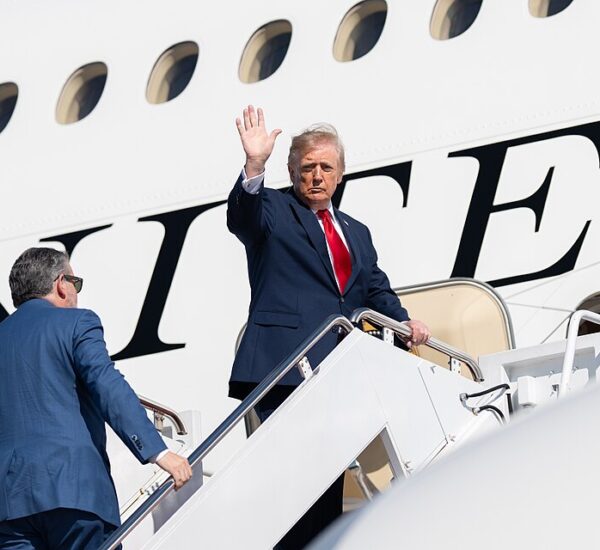
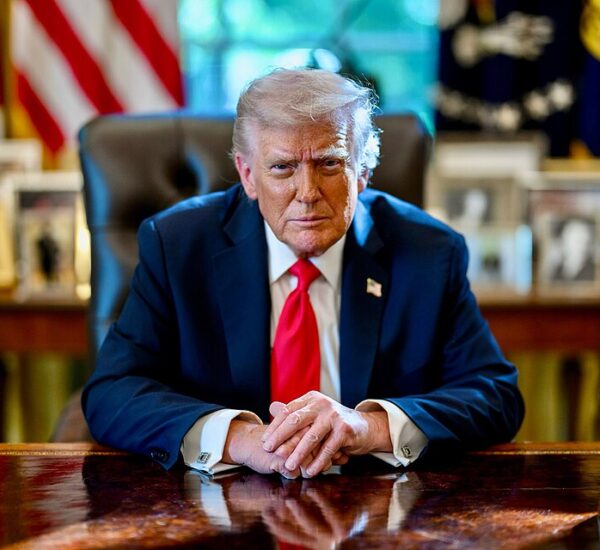
President Donald Trump’s ability to energize voters could play a major role in determining whether Republicans maintain control of Congress in the upcoming midterm elections, according to former Trump administration official Hogan Gidley.
With Election Day approaching on November 3, Republicans are relying on the president’s popularity among his most loyal supporters to help boost turnout in closely contested House and Senate races.
Gidley, a former Trump campaign national press secretary who now serves as a senior adviser to the America First Policy Institute, has repeatedly emphasized Trump’s unusual ability to motivate Republican voters.
The president’s active campaign schedule has become an important part of the GOP’s strategy as the party works to defend its congressional majorities.
Trump’s Campaigning Could Make the Difference
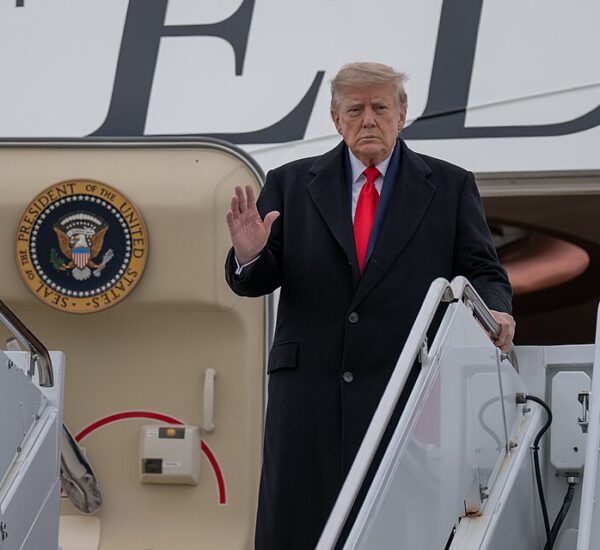
Unlike many presidents who reduce their political appearances during midterm elections, Trump has taken an aggressive approach to campaigning for Republican candidates.
His rallies attract enthusiastic supporters and provide an opportunity to communicate directly with voters about the issues shaping the election.
Republican strategists believe those appearances could be particularly valuable in communities where Trump enjoys strong support but voters do not always participate in elections when he is not personally on the ballot.
The challenge for Republicans is turning that enthusiasm into actual votes.
Gidley has argued that Trump remains especially effective at energizing the Republican base while helping candidates highlight differences between the two major parties.
Republicans Focus on Key Issues
The economy, taxes, immigration, border security and public safety remain central to the Republican campaign message.
GOP candidates are emphasizing the Trump administration’s policy agenda while warning that Democratic control of Congress could make it more difficult for the president to advance his priorities.
Democrats, meanwhile, are focusing heavily on affordability, rising energy costs and dissatisfaction with the administration’s handling of major domestic and international issues.
That competing message has made several races more competitive than Republicans initially anticipated.
Political observers say the results could depend on which party does a better job motivating its supporters during the final days of the campaign.
High Stakes for Congress
Control of both the House of Representatives and the Senate is at stake in the November 3 elections.
Republicans currently hold narrow majorities, meaning even a relatively small number of competitive races could determine which party controls the legislative agenda for the final two years of Trump’s presidency.
A Republican victory would allow the president to continue working with congressional leaders on his priorities, while a Democratic takeover of either chamber could lead to increased investigations, legislative disagreements and political gridlock.
For that reason, Trump has urged supporters to treat the midterm elections with the same urgency as a presidential race.
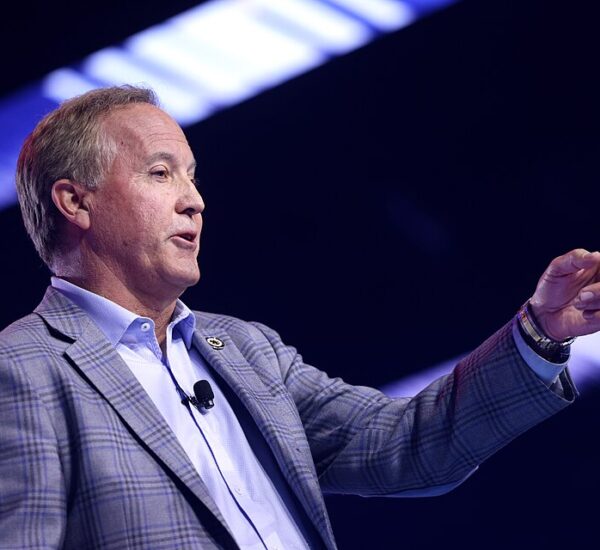
His campaign appearances have taken him to states where Republicans face unexpectedly difficult contests, including Texas, where GOP Senate candidate Ken Paxton is battling Democrat James Talarico.
Will Trump’s Influence Be Enough?
Although Trump’s ability to attract attention and energize loyal supporters is widely recognized, Republicans still face significant challenges.
Midterm elections have historically been difficult for the president’s party, and concerns about household expenses and gasoline prices could influence undecided voters.
Nevertheless, Republican officials believe Trump’s personal involvement offers an important opportunity to reach voters who might otherwise stay home.
With Election Day less than a week away, the central question is whether the president’s campaign efforts can produce enough additional Republican votes to protect the party’s congressional majorities.
The answer could determine the direction of Washington for the remainder of Trump’s second term.