Trump Celebrates New College Move
President Trump praised Senate action on a bipartisan college sports bill addressing NIL payments, athlete transfers, revenue sharing, scholarships and protections for women’s and Olympic sports.
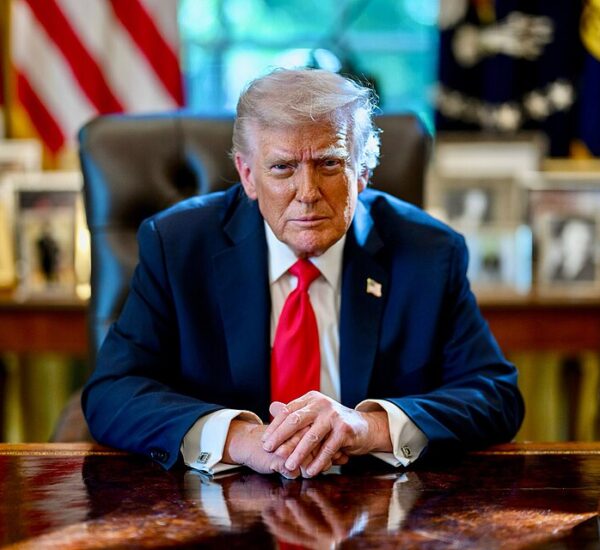
President Donald Trump is throwing his support behind a major bipartisan college sports bill as the Senate moves closer to establishing nationwide rules for name, image and likeness compensation, athlete transfers, eligibility and revenue sharing.
The Senate voted 77-22 on Thursday, September 17, to formally proceed with consideration of the Protect College Sports Act of 2026, known as S. 4668. The vote followed a 74-24 cloture vote earlier in the week that cleared another procedural hurdle. The legislation has not yet received final Senate approval.
Trump celebrated the development on Truth Social, arguing that the rapidly changing financial structure of college athletics needs national rules before rising costs create deeper problems for universities.
“Great news on NIL,” Trump wrote while describing the current situation in college sports as “out of control.”
The president said he is particularly concerned that escalating spending in football and basketball could put additional financial pressure on women’s athletics, Olympic sports and smaller college programs.
The proposal would create one of the most significant federal changes to college athletics in decades.
What Is the Protect College Sports Act?
The Protect College Sports Act is a bipartisan proposal led by Senate Commerce Committee Chairman Ted Cruz, R-Texas, ranking member Maria Cantwell, D-Wash., and other senators.
The legislation seeks to establish a national framework governing how colleges compensate athletes and how NIL agreements operate.
It would also address transfers, athlete eligibility, scholarships, medical benefits, sports agents and protections for athletic programs that generate less revenue.
The Senate Commerce Committee previously advanced the legislation on a bipartisan 19-9 vote before lawmakers released an updated version during the summer.
For colleges, athletes and fans, the legislation could significantly change a system that has become increasingly complicated as states, universities, athletic conferences and courts have adopted different approaches to athlete compensation.
Trump Says College Sports Costs Are Becoming Unsustainable
Trump has repeatedly argued that college athletics needs financial guardrails.
In his latest comments, the president warned that universities could face severe financial consequences if athletic spending continues increasing without limits.
He also argued that football expenses could consume resources that have traditionally helped support women’s athletics and Olympic sports such as swimming, wrestling, gymnastics and track and field.
Those concerns have become an important part of the broader debate over college sports.
Supporters of federal legislation contend that a nationwide system could provide greater certainty for schools and athletes. Critics have raised questions about compensation restrictions, athlete rights and how much authority should be given to college sports governing organizations.
NIL Compensation Would Remain Legal
Despite the proposed restrictions, the legislation would not eliminate the ability of college athletes to earn money from their name, image and likeness.
Instead, it would establish federal rules governing those arrangements.
NIL has transformed college sports since athletes began receiving greater opportunities to make money through endorsements, sponsorships and other commercial agreements.
The issue has also created a complicated recruiting environment in which some athletes can command substantial financial packages.
The revised Senate proposal includes certification requirements aimed at distinguishing legitimate commercial NIL agreements from arrangements that lawmakers and college sports officials characterize as disguised pay-for-play deals.
Revenue Sharing Would Face New Rules
Another major issue involves direct payments from universities to athletes.
The Senate proposal incorporates elements of the revenue-sharing system created following the House v. NCAA settlement.
The revised bill also seeks to establish a firm revenue-sharing cap and specifies how certain payments involving entities associated with athletic programs would count toward that limit.
Supporters argue that financial boundaries are necessary to keep spending sustainable across college athletics.
The larger debate, however, centers on how to balance those financial concerns with athletes’ ability to receive compensation generated by increasingly lucrative college sports programs.
Women’s and Olympic Sports Are a Major Focus
One of Trump’s primary arguments for the legislation involves protecting sports that generally produce less revenue than football and men’s basketball.
The president has warned that universities facing rapidly rising athlete compensation costs could respond by reducing scholarships, roster spots or entire athletic programs.
His administration made a similar argument in an April executive order addressing college sports.
That order called for revenue-sharing rules that preserve or expand opportunities in women’s and Olympic athletics, along with restrictions on certain financial arrangements involving college athletes.
The Senate legislation likewise includes provisions intended to protect non-revenue sports as schools adjust to the changing financial landscape.
For families with children or grandchildren considering college athletics, those provisions could become one of the most consequential parts of the legislation.
New Eligibility Rules Could Change College Rosters
The proposal would also bring additional structure to athlete eligibility.
Trump has argued that professional athletes should not be able to return to college competition later and compete against significantly younger athletes.
His April executive order called for a five-year participation window, subject to limited exceptions, and said professional athletes should not be permitted to return to college athletics.
The broader goal is to create more consistent national eligibility standards rather than allowing the rules to continue changing through lawsuits, conference decisions and individual state policies.
College Transfer Rules Would Also Change
The transfer portal has become another major source of controversy in college athletics.
Players now have considerably more freedom to move between schools than they did in previous generations, fundamentally changing recruiting and roster management.
Trump’s executive order called for rules allowing an athlete to transfer once during the five-year participation period with immediate eligibility, plus another opportunity after obtaining a four-year degree.
The administration has argued that clearer transfer rules could provide stability while continuing to give athletes flexibility.
For coaches and athletic departments, nationwide standards could also make it easier to plan rosters from one season to the next.
Scholarships and Medical Benefits Could Be Expanded
The college sports debate extends beyond NIL checks and football contracts.
Athlete healthcare and education benefits are also major parts of the Senate effort.
The legislation contains protections involving athletic scholarships and medical treatment for sports-related injuries.
Trump’s executive order similarly called for medical care for injuries connected to college athletics during an athlete’s enrollment and for a reasonable period afterward.
Those provisions could have long-term importance for athletes who leave college with injuries requiring continuing treatment.
Sports Agents Would Face More Oversight
The rapidly expanding NIL market has also created greater demand for agents and financial representatives.
Federal lawmakers are seeking additional safeguards for young athletes negotiating contracts that can sometimes involve substantial sums of money.
Trump’s executive order called for a national student-athlete agent registry and protections against excessive agent commissions.
The Senate legislation similarly seeks to regulate athlete representation as part of the larger effort to establish uniform national standards.
Why Congress Is Getting Involved
For decades, college sports were primarily governed by universities, athletic conferences and organizations such as the NCAA.
That system has been transformed by court rulings, NIL compensation, the transfer portal and direct revenue sharing.
Different state laws have further complicated matters.
Congress is now considering whether one federal framework should replace much of that patchwork.
Supporters believe national rules would give universities and athletes more certainty.
Opponents and skeptics continue to debate whether Congress should limit compensation arrangements, how athlete rights should be protected and how much legal authority college sports organizations should receive.
Trump Praises Bipartisan Senate Support
Trump welcomed the large bipartisan vote that allowed the Senate to begin consideration of the measure.
The president specifically mentioned Florida Republican Sens. Ashley Moody and Rick Scott while discussing Republican opposition.
Official Senate records show that Moody and Scott voted against the September 17 motion to proceed. Kentucky Republican Sen. Rand Paul also voted against that motion.
Even with those defections, the 77-22 tally demonstrated substantial bipartisan support for moving forward with debate.
It should not, however, be confused with final passage of the legislation.
What Happens Next?
The September 17 vote authorized the Senate to proceed with S. 4668.
Senate Majority Leader John Thune subsequently filed cloture on both a Cruz-Cantwell substitute amendment and the underlying Protect College Sports Act, according to the Senate Periodical Press Gallery.
That means lawmakers still have additional procedural steps and votes ahead.
If the Senate ultimately passes the legislation, the congressional process would still have to be completed before a final measure could reach Trump’s desk.
The Bottom Line for College Sports Fans
College athletics has entered a dramatically different financial era.
NIL compensation, athlete transfers and revenue sharing have given players opportunities that previous generations never had. At the same time, universities are trying to determine how to finance those changes while maintaining dozens of other athletic programs.
The Protect College Sports Act represents Congress’ attempt to establish national rules for that new system.
For football fans, parents of student-athletes and Americans who follow women’s and Olympic sports, the debate goes far beyond NIL deals.
It involves how athletes are paid, how often they can transfer, how long they can compete, what medical and educational protections they receive, and whether universities can continue financing sports that do not generate major television revenue.
With the Senate now formally considering the legislation, those questions are moving closer to a potentially consequential vote in Washington.