Trump Team’s Message To Cubans
The Trump administration is sending a powerful new message to Cuba, as Secretary of State Marco Rubio urges those seeking freedom and political change to take action against the island’s communist leadership.
In an unusually direct statement Friday, Rubio encouraged Cubans frustrated with government corruption, broken promises, and decades of political repression to consider working privately with the Central Intelligence Agency (CIA).
Rubio declared that “now is the time” for those hoping to bring meaningful change to their country.
His message represents a significant escalation in Washington’s approach toward Havana, where communist authorities have maintained control for more than six decades.
Rubio Sends Direct Warning to Cuba’s Leadership
Writing on his official social media account, Rubio addressed Cubans who have grown dissatisfied with their government’s leadership.
He pointed to the contrast between the privileges enjoyed by Cuba’s ruling elite and the hardships experienced by ordinary citizens.
The secretary of state encouraged those seeking a different future to explore discreet cooperation with American intelligence officials.
The public appeal was particularly notable because intelligence cooperation is normally discussed behind closed doors, rather than openly promoted by the nation’s top diplomat.
Rubio, whose parents emigrated from Cuba, has long criticized the country’s communist government and advocated for greater political and economic freedom on the island.
His latest remarks suggest that the administration sees an opportunity to increase pressure on Havana from both inside and outside the country.
Trump Signals More Pressure Could Be Coming
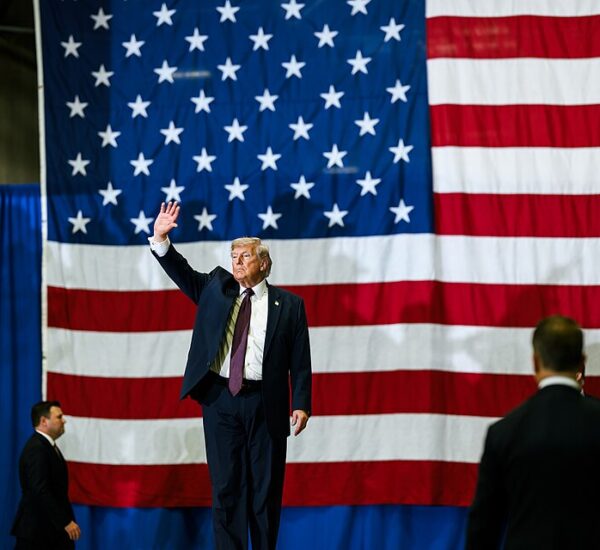
Rubio’s statement followed comments from President Donald Trump during a Republican campaign rally in Fort Myers, Florida, on Friday.
Speaking to supporters, Trump raised the possibility that American naval vessels returning from operations in the Middle East could travel near Cuba.
The president also suggested that Rubio could play a leading role in reaching an agreement with the Cuban government.
Although Trump did not announce a formal military operation or provide a timetable for any action, his remarks reinforced the administration’s increasingly forceful position toward the island.
The combination of Trump’s comments and Rubio’s public appeal highlights Washington’s determination to challenge the Cuban government.
For Cuban Americans whose families fled communist rule, the renewed attention also brings back memories of a struggle that has continued for generations.
Cuba Faces Growing Economic and Political Pressure
The developments come as Cuba continues to struggle with severe economic problems.
Electricity shortages, limited access to fuel, and difficulties obtaining basic necessities have disrupted everyday life across the island.
Cuba’s economic problems have developed over many years, fueled by domestic policies, declining infrastructure, and restrictions on economic activity. American sanctions and disruptions in foreign energy supplies have added to those difficulties.
The Trump administration has increased economic pressure on Havana while maintaining that fundamental political changes are necessary.
Cuban authorities, meanwhile, have blamed American sanctions for worsening the nation’s problems and have resisted Washington’s demands.
Despite the competing explanations, ordinary Cuban families continue to bear the consequences of the country’s prolonged crisis.
A New Chapter in America’s Long Struggle With Communism?
For Americans who remember the Cold War, Cuba has long represented one of the most enduring sources of tension between Washington and a communist government just 90 miles from Florida.
The relationship has remained contentious since Fidel Castro consolidated power following the 1959 Cuban Revolution.
Successive American presidents have pursued different strategies, ranging from economic restrictions and diplomatic isolation to negotiations and efforts at improving relations.
Trump has taken a more confrontational approach, arguing that continued pressure could force Cuba’s leadership to make significant concessions.
Rubio’s latest message adds a new dimension to that strategy by directly appealing to people within Cuba who may want a different political future.
However, it remains uncertain whether the administration’s efforts will lead to negotiations, internal reforms, or a more serious confrontation.
What Happens Next?
The Cuban government has not indicated that it is prepared to accept the sweeping changes sought by Washington.
Rubio’s public invitation also leaves important questions unanswered, including what cooperation with American intelligence would involve and whether it could influence decisions within Cuba’s government.
What is increasingly clear is that the Trump administration is making Cuba a major foreign policy priority.
After decades of strained relations, Washington is once again placing the island’s communist leadership under intense scrutiny.
For Cubans who have spent much of their lives hoping for greater freedom, the administration’s latest message raises a familiar but important question:
Could Cuba finally be approaching a turning point after more than 60 years of communist rule?