Trump Shares Zero Regrets On Iran War
President Donald Trump says he has no regrets about his decision to go to war with Iran, even as the conflict and its economic consequences become increasingly important issues ahead of the November midterm elections.
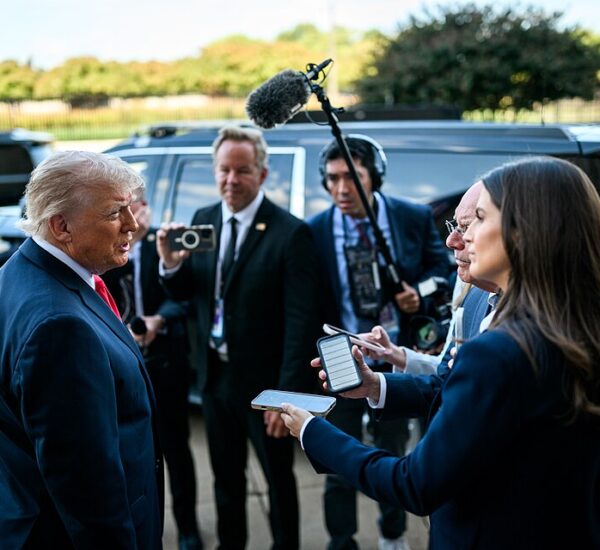
During an interview with Fox News host Laura Ingraham, Trump was asked whether the political fallout from the Iran war had caused him to reconsider his decision.
Trump acknowledged that a president can occasionally question major decisions but said he would ultimately make the same choice again.
His comments underscore the administration’s continued defense of its Iran strategy at a time when American voters are paying close attention to national security, gasoline prices, inflation and the direction of the economy.
Trump Stands Behind Iran Decision
Trump has made preventing Iran from obtaining a nuclear weapon one of the central arguments for his administration’s military actions.
During the interview, he also rejected suggestions that the conflict has left his political supporters discouraged.
Instead, Trump argued that his supporters approve of his efforts to prevent Tehran from developing a nuclear weapon and remain supportive of his broader strategy toward Iran.
The president has repeatedly cited Iran’s nuclear capabilities as a major reason for the military campaign.
Iran maintains that its nuclear program is intended for peaceful purposes and says it does not possess nuclear weapons. The United States has nuclear weapons.
The disagreement over Iran’s nuclear ambitions remains at the center of the wider conflict and the debate over America’s military involvement in the Middle East.
Trump Predicts War Will End After Midterms
Trump also offered a notable prediction about how long the fighting could continue.
The president said he expects the conflict to end immediately after the November midterm elections.
Trump has suggested that Tehran is attempting to influence the American political environment ahead of the election, which will determine control of Congress.
He made similar remarks a day earlier while discussing Iran and the approaching vote.
There is currently no confirmed agreement establishing that the war will end following the election, however, meaning Trump’s statement remains a prediction rather than a guaranteed timeline.
The midterms could have major consequences for Washington because voters will decide the balance of power in Congress and, in turn, how easily the administration can advance its legislative priorities during the remainder of Trump’s second term.
Gas and Oil Prices Enter the Political Debate
Beyond foreign policy, the Iran conflict has created another concern with immediate consequences for American households: energy prices.
Oil and gasoline costs have become an increasingly important political issue as Republicans and Democrats prepare for the midterm elections.
Conflict involving Iran can have significant consequences for global energy markets because of the country’s role in the Middle East and the importance of the Strait of Hormuz to international oil shipments.
When oil prices rise, Americans can eventually feel the impact beyond the gasoline pump.
Higher transportation and energy expenses can increase costs for businesses moving food, consumer products and other goods across the country. Those additional expenses can contribute to broader concerns about household budgets and the cost of living.
That makes energy prices particularly important politically.
For many voters, debates over international strategy can quickly become domestic economic questions when military events overseas begin affecting what families pay at gas stations and stores.
Republicans Face High Stakes in November
The timing creates an additional challenge for the White House.
Republicans are campaigning to retain control of Congress, meaning voters’ assessments of the economy and the administration’s handling of foreign policy could become important factors in congressional races across the country.
Presidents have historically faced difficult political environments during midterm elections because the party controlling the White House often has to defend its record while the opposition attempts to turn dissatisfaction into congressional gains.
Trump, however, has shown little willingness to distance himself from the Iran conflict because of those political risks.
His comments instead indicate that he intends to continue defending the decision on national security grounds.
How the Iran Conflict Began
The current conflict escalated dramatically on February 28 when the United States and Israel launched attacks against Iran.
Iran responded with strikes against Israel and locations in Gulf countries that host American military forces.
The fighting subsequently expanded across the region, while Israeli military operations in Lebanon added another dimension to an already volatile situation.
The conflict has resulted in thousands of deaths and displaced millions of people, creating substantial humanitarian consequences alongside its military, diplomatic and economic effects.
Meanwhile, the administration has continued to emphasize weakening Iran’s nuclear capabilities as a central objective.
Iran Disputes Nuclear Weapons Claims
Iran has consistently maintained that its uranium enrichment program is designed for peaceful purposes.
Tehran says it does not possess nuclear weapons.
Trump and his administration have nevertheless argued that preventing Iran from obtaining such a weapon is a major American national security priority.
That disagreement is crucial to understanding the administration’s justification for the conflict.
Supporters of military action emphasize the potential danger posed by a nuclear-armed Iran, while critics have raised questions about the costs, risks and long-term consequences associated with another major American military engagement in the Middle East.
Those competing arguments are likely to remain part of the national conversation as the conflict continues.
Trump Shows No Sign of Backing Down
For now, Trump is making his position clear.
Despite concerns about energy prices, casualties and potential political consequences in November, the president says he would make the same decision again.
That stance means the administration’s Iran policy could remain closely connected to the midterm campaign.
Voters will be considering numerous issues when they cast their ballots, including inflation, jobs, immigration, public safety, foreign policy and the cost of everyday necessities.
The Iran conflict adds national security and America’s role overseas to that list.
With control of Congress at stake, the debate over the war could therefore extend well beyond foreign policy.
It could also become part of a larger question facing voters this November: how they assess the Trump administration’s record and what direction they want Congress to take during the final two years of the president’s second term.