Where were the Democrats this whole time?
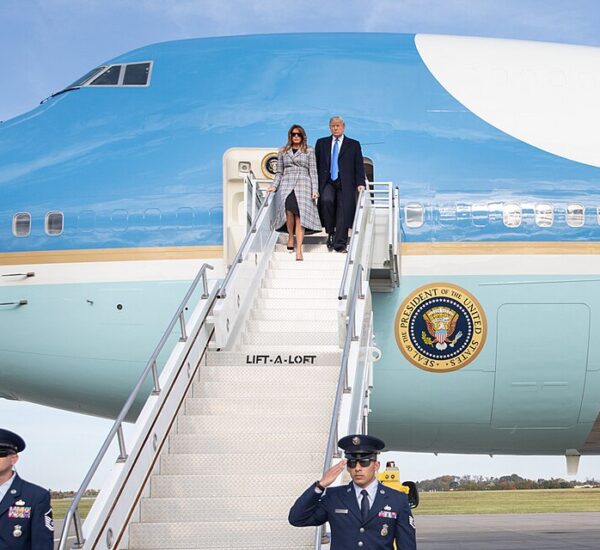
President Donald Trump signs a major women’s health executive order with First Lady Melania Trump, launching a new White House task force and federal research initiative aimed at improving healthcare for millions of American women.
President Donald Trump signed a major executive order on Monday, October 19, 2026, launching a nationwide initiative designed to improve women’s healthcare, accelerate medical research, and address serious health conditions affecting millions of American families.
The new policy, championed by First Lady Melania Trump, establishes a White House Women’s Health Task Force and directs the creation of a Women’s Health Division within the National Institutes of Health (NIH).
The initiative will focus on diseases and medical conditions that uniquely or disproportionately affect women, including breast cancer, heart disease, Alzheimer’s disease, osteoporosis, menopause, and chronic pain.
Trump signed the order during a White House Rose Garden ceremony attended by Melania Trump, senior administration officials, and federal health leaders.
The administration says the initiative will strengthen medical research, encourage scientific breakthroughs, and help turn discoveries into better treatment options for American women.
The announcement also represents an expanded policy role for the first lady, who helped develop the initiative after consulting with healthcare professionals and administration officials.
Melania Trump Helps Lead Major Women’s Healthcare Initiative
First Lady Melania Trump played a significant role in developing the executive order, making women’s healthcare one of her prominent policy priorities.
During Monday’s announcement, she emphasized the importance of improving medical research and helping women receive better treatment throughout their lives.
“This is a transformative moment for women in America,” Melania declared during her White House remarks.
The first lady explained that modern medical technology offers new opportunities to understand diseases affecting women and develop more effective treatments.
She also emphasized the importance of recognizing the medical needs of women at different stages of life, from adolescence and motherhood to menopause and retirement.
For older American women, the initiative’s focus on chronic disease, early detection, and healthy aging may be particularly significant.
Melania stressed that women should have opportunities to remain healthy, independent, and active as they grow older.
Her involvement comes as the administration seeks to place greater emphasis on preventive healthcare, medical innovation, and scientific research.
Trump’s Executive Order Creates New Women’s Health Task Force
One of the most significant parts of Trump’s executive order is the establishment of a new White House Women’s Health Task Force.
The task force will be co-chaired by Health and Human Services Secretary Robert F. Kennedy Jr. and White House Chief of Staff Susie Wiles.
Wiles recently completed treatment for breast cancer, bringing personal experience with a serious health challenge to her leadership position.
The task force will coordinate efforts across multiple federal agencies, including the Department of Health and Human Services, the NIH, the Food and Drug Administration, and the Centers for Disease Control and Prevention.
Its primary objectives include improving medical research, promoting early detection, supporting new treatments, and encouraging collaboration between government agencies and healthcare professionals.
The executive order identifies several major health concerns for greater attention:
- Heart disease and stroke: Improving understanding, prevention, and treatment of cardiovascular conditions affecting women.
- Breast cancer and other cancers: Supporting research that may lead to better diagnosis and treatment.
- Alzheimer’s disease: Advancing scientific understanding of a condition that affects millions of American families.
- Osteoporosis: Examining ways to prevent and manage a disease that can weaken bones and increase fracture risks.
- Menopause and hormonal health: Improving research into medical issues women experience during midlife and later adulthood.
- Chronic pain and autoimmune diseases: Expanding scientific attention to conditions that can significantly affect quality of life.
- Maternal health and infertility: Supporting research involving pregnancy, reproductive health, and related medical complications.
The White House says federal agencies will work together to identify gaps in research and encourage the development of effective medical solutions.
New NIH Women’s Health Division Will Expand Research
Trump’s executive order also directs federal officials to establish a Women’s Health Division within the National Institutes of Health.
Under the order, the Department of Health and Human Services has 90 days to create the division within an appropriate NIH institute or center.
The division will work alongside the existing NIH Office of Research on Women’s Health rather than replacing it.
Its responsibilities will include coordinating research, improving scientific understanding of women’s medical conditions, and helping translate medical discoveries into clinical treatments.
The executive order also calls for improving women’s inclusion in clinical trials and strengthening research into biological differences that can affect health outcomes.
These efforts are intended to address longstanding concerns that certain conditions affecting women have received insufficient scientific attention.
The administration hopes that stronger coordination between medical researchers and healthcare providers will eventually lead to more accurate diagnoses, improved prevention, and better treatment options.
However, the executive order does not specify a new funding amount for the research initiative. Its long-term impact will depend on federal resources, implementation, and future scientific results.
Melania Trump Announces Five Priorities For Women’s Health
During the White House ceremony, Melania Trump outlined five priorities intended to guide the new women’s health initiative.
Her plan calls for directing research resources toward diseases that affect women in unique ways while taking advantage of modern medical technology to accelerate scientific discoveries.
The five priorities include:
- Expanding medical research: Directing research funding toward diseases and conditions that uniquely affect women.
- Using advanced technology: Applying artificial intelligence and other scientific innovations to improve understanding of women’s health.
- Accelerating new treatments: Helping promising medical therapies move from research laboratories into patient care while maintaining safety standards.
- Improving affordability: Working toward making medical breakthroughs more accessible to women regardless of their financial circumstances.
- Encouraging open conversations: Promoting education and greater awareness of women’s medical concerns.
The first lady also highlighted the importance of discussing conditions that have sometimes been overlooked or treated as uncomfortable subjects.
Issues such as menopause, infertility, and chronic pain can have a substantial impact on women’s daily lives.
By promoting additional research and education, the administration hopes to encourage better communication between patients, doctors, and healthcare institutions.
What Trump’s Executive Order Means For Women Over 50
For American women over 50, the executive order could have important long-term implications.
Many of the health conditions identified by the administration become increasingly relevant during middle age and retirement.
Heart disease, osteoporosis, certain cancers, and neurological conditions can influence a woman’s health, independence, and overall quality of life.
Menopause and postmenopausal health also present medical challenges that require accurate information and appropriate healthcare.
The administration’s initiative aims to strengthen research into these conditions and support medical advancements that could improve patients’ lives.
For example, improvements in osteoporosis prevention could eventually help reduce serious fractures, while advancements in cardiovascular research could support earlier recognition of heart disease.
Similarly, additional research into Alzheimer’s disease could help scientists better understand the condition and pursue improved treatments.
These potential benefits are not guaranteed, and medical discoveries can take years to translate into widely available care.
Nevertheless, the executive order places these health concerns among the federal government’s stated research priorities.
The initiative could also have implications for husbands, children, grandchildren, and caregivers who help loved ones manage chronic medical conditions.
Will Trump’s New Order Affect Medicare Or Healthcare Costs?
An important question for older Americans is whether the executive order will affect Medicare, prescription drug prices, or everyday healthcare expenses.
The order focuses primarily on medical research, federal coordination, and developing better treatments.
It does not immediately change Medicare benefits, reduce insurance premiums, or guarantee lower prescription drug prices.
Melania Trump’s proposal includes the goal of making future medical breakthroughs more affordable and accessible.
However, achieving that objective will require additional work by federal agencies and healthcare organizations.
Any future changes to healthcare costs or Medicare coverage would depend on separate policies, funding decisions, and applicable federal laws.
For now, the executive order should be understood as a research and healthcare policy initiative rather than an immediate change to existing insurance benefits.
Trump’s New Order Replaces Previous Biden-Era Initiative
The executive order also marks a change in federal women’s health policy established under former President Joe Biden.
Trump’s order revokes a March 2024 executive order and a November 2023 presidential memorandum issued during the Biden administration.
Those earlier actions were intended to expand federal attention and investment in women’s health research.
The Trump administration says its new approach will emphasize stronger coordination, scientific innovation, and converting research findings into practical improvements in patient care.
Supporters see an opportunity to strengthen research into medical conditions that have historically received inadequate attention.
However, some medical researchers and policy observers have raised questions about the initiative’s funding and how it will compare with previous federal programs.
The new executive order does not establish specific research spending targets, making implementation and future budget decisions important measures of its success.
Why Women’s Healthcare Research Matters To American Families
Women’s healthcare research affects far more than individual patients.
Millions of American families are touched by conditions such as breast cancer, heart disease, Alzheimer’s disease, infertility, and complications related to aging.
When a mother, wife, daughter, or grandmother faces a serious health challenge, the consequences can extend throughout the household.
Family members may need to provide transportation, financial assistance, daily support, or long-term caregiving.
Medical advances that improve prevention, diagnosis, or treatment can therefore have benefits beyond the patient receiving care.
Earlier detection may help doctors begin treatment before some conditions become more difficult to manage.
Better research can also provide healthcare professionals with more reliable information about how diseases affect women differently.
The administration’s initiative seeks to address these issues by coordinating research efforts and encouraging scientific discoveries that can improve clinical care.
What Happens Next Following Trump’s Executive Order?
The next stage will involve federal agencies implementing the president’s directives.
The NIH must establish the new Women’s Health Division within 90 days, while the White House task force will coordinate research and policy efforts involving multiple federal departments.
The task force may consult healthcare professionals, researchers, technology experts, and other specialists as it develops recommendations.
Officials will also need to determine how existing resources can support the administration’s research objectives.
For patients and families, the most important measure of success will be whether the effort eventually results in improved diagnoses, effective treatments, and better access to medical care.
Those outcomes will require continued scientific work and may not appear immediately.
Frequently Asked Questions About Trump’s Women’s Health Order
What executive order did President Trump sign?
On October 19, 2026, President Trump signed an executive order titled “Advancing Women’s Health to Improve Outcomes in All Phases of Life.” It establishes a White House Women’s Health Task Force and directs the creation of a new research division within the NIH.
Did Melania Trump help create the women’s health initiative?
Yes. First Lady Melania Trump championed the initiative and helped shape its priorities through discussions with administration officials and healthcare experts.
Who will lead the new women’s health task force?
Health and Human Services Secretary Robert F. Kennedy Jr. and White House Chief of Staff Susie Wiles will co-chair the task force.
Will the executive order help women over 50?
The initiative includes research into menopause, osteoporosis, cardiovascular disease, Alzheimer’s disease, and other conditions relevant to women in midlife and older age. Whether it produces direct benefits will depend on future medical research and implementation.
Does the executive order provide new healthcare benefits?
No immediate new healthcare benefits or Medicare coverage changes are established by the order. It primarily directs federal research and coordination efforts.
A New Direction For Women’s Health In America
President Trump’s latest executive order establishes a new federal effort to address longstanding challenges in women’s healthcare.
With First Lady Melania Trump playing a leading role, the administration is placing additional attention on scientific research, disease prevention, early diagnosis, and the development of new medical treatments.
The creation of a White House task force and dedicated NIH division provides a framework for coordinating those efforts across the federal government.
Although funding questions and implementation challenges remain, the initiative creates an opportunity to evaluate how federal research can better address the health needs of American women.
For millions of women and their families, the ultimate test will be whether the administration’s plans lead to meaningful improvements in medical care, treatment options, and long-term health outcomes.
The executive order is now signed. The next question is how effectively the administration can turn its women’s health priorities into measurable results.