GOP Praises Trump For Calling Out Socialists
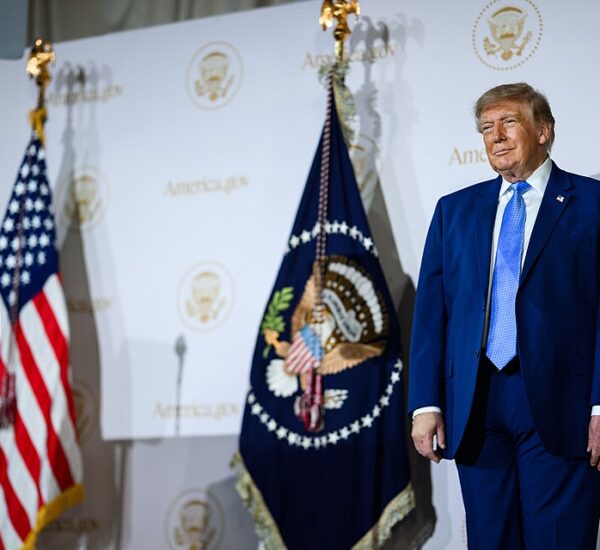
Sen. Tommy Tuberville, R-Ala., praised President Donald Trump following his address to the United Nations General Assembly, saying the president delivered a direct message about American leadership, international institutions and the challenges facing the United States.
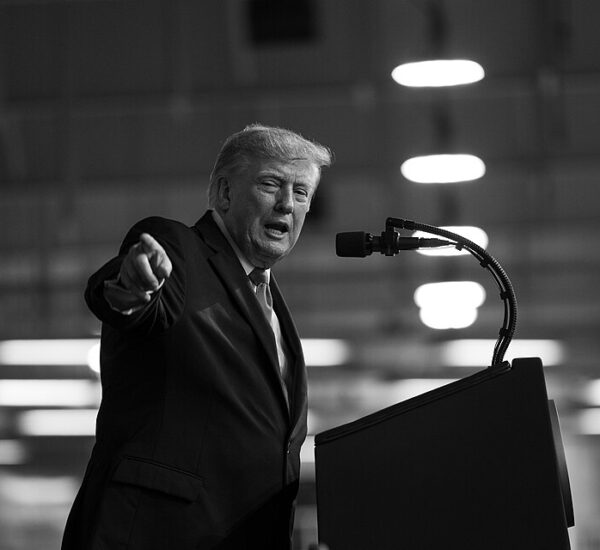
During an appearance on Newsmax’s “Rob Schmitt Tonight,” Tuberville applauded Trump’s willingness to confront political opponents and international organizations rather than soften his message.
The Alabama senator said Trump’s approach reflects what he views as a renewed emphasis on putting American interests first.
Tuberville Applauds Trump’s Direct Approach
Tuberville said one of Trump’s defining political characteristics is his willingness to speak openly about people, governments and ideologies with which he disagrees.
He praised Trump for criticizing globalism, socialism and communism during his appearance before an international audience.
Tuberville argued that Trump’s confrontational style sends a message that the United States intends to defend its own interests rather than automatically follow the priorities of international institutions.
Trump’s remarks at the United Nations included an emphasis on national sovereignty and criticism of international political structures he believes can undermine the independence of individual nations.
For supporters such as Tuberville, those themes remain central to Trump’s broader America First agenda.
Trump’s Foreign Policy Record Draws Praise From Tuberville
Tuberville also credited Trump with pursuing international agreements while maintaining a willingness to challenge foreign governments.
The senator said Trump has continued negotiating on major international issues despite facing opposition from political critics at home and abroad.
Supporters of Trump frequently point to his preference for direct negotiations, economic pressure and public confrontation as defining features of his foreign policy approach.
Critics have sometimes argued that the same approach can create tension with traditional allies and international institutions.
The debate reflects a broader disagreement in Washington over how aggressively the United States should use its economic and diplomatic influence around the world.
Christian Persecution Becomes Part of the Debate
Religious freedom was another issue highlighted by Tuberville.
The Alabama senator praised Trump for drawing attention to the persecution of Christians in countries where religious minorities face discrimination, violence or government restrictions.
Tuberville argued that major international organizations should do more to defend people who face persecution because of their religious beliefs.
Religious freedom has remained an important foreign-policy concern for many American voters, particularly Christian and socially conservative communities.
The United States government has long monitored religious freedom overseas and publishes reports examining restrictions, persecution and discrimination affecting different religious groups.
Tuberville Criticizes International Criminal Court
Tuberville also directed sharp criticism toward the International Criminal Court, or ICC.
The senator questioned the institution’s effectiveness and praised Trump for challenging its authority.
The ICC is an international court based in The Hague that investigates and prosecutes certain allegations involving genocide, crimes against humanity, war crimes and aggression.
The United States is not a party to the Rome Statute that established the court, and American administrations from both parties have had disagreements with the institution over questions involving jurisdiction and sovereignty.
Trump has taken an especially confrontational position toward the ICC, arguing that international courts should not be able to exercise authority over the United States without American consent.
That dispute fits into a larger debate over how much authority international organizations should have when their decisions conflict with the policies of individual nations.
Diesel Prices and the Cost of Living
Tuberville also turned to domestic economic concerns, including diesel fuel prices.
He credited Trump with trying to reduce energy costs and argued that Republican policies offer a better path toward lowering fuel prices.
Tuberville also criticized Democrats over energy policy, although his comments represented a partisan assessment rather than an independently established conclusion.
Diesel prices matter far beyond truck stops.
Diesel fuel powers a large portion of America’s trucking industry, farm equipment, construction machinery and commercial transportation network. When diesel prices rise, transportation and production costs can increase throughout the economy.
Those additional expenses can eventually affect prices for groceries, manufactured goods and other everyday purchases.
For retirees and Americans living on fixed incomes, persistent increases in transportation and consumer costs can be especially noticeable.
Energy Policy Remains a Major Political Divide
Republicans and Democrats continue to disagree over how the federal government should approach energy production.
Republicans generally emphasize expanded domestic oil and natural-gas production, fewer regulatory barriers and increased development of traditional energy sources.
Democrats have generally placed greater emphasis on renewable energy, emissions reductions and government investment in cleaner technologies, while also supporting domestic energy production in various forms.
Those competing approaches remain part of the broader national debate over energy independence, consumer prices and environmental policy.
Trump’s UN Appearance Reinforces His Foreign Policy Message
Trump’s United Nations appearance provided another high-profile platform for his views on national sovereignty, international cooperation and America’s role in the world.
Tuberville’s reaction illustrated the strong support Trump continues to receive from Republican allies who favor a more confrontational posture toward international institutions.
At the same time, Trump’s approach continues to generate debate among lawmakers and foreign-policy experts over the appropriate balance between national independence and international cooperation.
For voters concerned about energy prices, religious freedom, national sovereignty and America’s position overseas, those disagreements are likely to remain significant political issues.
As Trump continues advancing his agenda, supporters such as Tuberville are making clear that they want the administration to maintain its aggressive approach toward both domestic political opponents and international institutions.