Trump’s Hollywood Bill Heads To Congress
A new bipartisan proposal in Congress could dramatically change where American movies and television shows are made—and supporters say it could bring thousands of entertainment jobs and billions of dollars in investment back to the United States.
Lawmakers introduced legislation Thursday that would establish a 20% federal tax credit for qualifying film, television and visual-effects projects produced in America. Additional incentives could push the total credit as high as 30% for certain productions.
The proposal has support from Republicans and Democrats, major Hollywood studios, entertainment unions and President Donald Trump, who has publicly called for a federal production incentive aimed at keeping more film and television work inside the United States.
For taxpayers, workers and communities across the country, the central issue is bigger than Hollywood celebrities. The debate involves American jobs, local businesses, federal tax policy and whether the United States can compete with foreign countries that have spent years attracting American productions with lucrative incentives.
Bipartisan Lawmakers Push New Federal Film Tax Credit
The legislation is called the Motion Picture, Television, and Entertainment Revitalization Act.
Sen. Tim Scott, R-S.C., introduced the Senate bill with Sens. Adam Schiff, D-Calif.; John Cornyn, R-Texas; and Raphael Warnock, D-Ga.
Rep. Nathaniel Moran, R-Texas, introduced companion legislation in the House alongside lawmakers from both parties.
The bipartisan effort reflects growing concern in Washington that film and television productions—and the jobs connected to them—are increasingly being attracted to foreign countries.
Canada and the United Kingdom have become major competitors for productions traditionally associated with America’s entertainment industry.
Supporters of the legislation argue that the United States needs a federal incentive of its own if it wants to compete.
How the 20% Federal Tax Credit Would Work
Under the proposal, qualifying film, television and visual-effects projects produced in the United States could receive a 20% base federal tax credit.
Certain productions could earn additional 5% bonuses, although the total credit would be capped at 30%.
Potential bonus incentives include projects produced in:
- Rural Opportunity Zones or federally declared disaster areas
- Multiple U.S. states
- Qualifying independent productions
- Companies increasing domestic production compared with previous foreign production activity
The goal is to make American locations financially more attractive when studios decide where their next movie or television series will be made.
Trump Called for Entertainment Jobs to Return to America
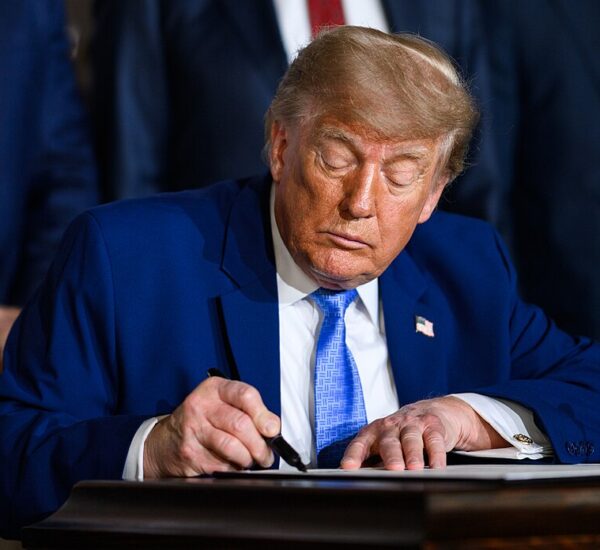
President Trump has publicly supported creating a federal production incentive.
In August, Trump called on Congress to approve a program designed to encourage entertainment companies to produce more movies and television programs in the United States.
Scott’s office specifically cited Trump’s call for action when announcing the legislation.
The administration and congressional supporters have framed the proposal primarily as a question of American employment and international competitiveness.
Film productions may be associated with wealthy celebrities, but they also employ large numbers of workers who never appear on camera.
Those jobs can include electricians, camera operators, carpenters, costume workers, sound technicians, editors, makeup artists, drivers, visual-effects specialists and production crews.
It’s Not Just About Hollywood Actors
One of the biggest arguments behind the legislation is that film productions create economic activity far beyond actors and studio executives.
When a major television show or movie films in a community, the production may spend money on:
- Hotels and temporary housing
- Restaurants and catering companies
- Construction materials
- Transportation
- Equipment rentals
- Dry cleaning
- Security
- Local tradespeople
- Office space
- Warehouses and sound stages
Rep. Moran argued that production spending can benefit everyone from local caterers and hotels to hardware stores and skilled tradespeople.
That helps explain why states far outside Hollywood have competed aggressively for film and television business.
Georgia, New York, Illinois and other states already operate their own production-incentive programs.
Federal Credit Could Work Alongside State Incentives
Another important feature of the legislation is that a federal production tax credit could complement incentives already offered by individual states.
That could make some American locations considerably more competitive with international filming destinations.
California lawmakers, for example, have argued that combining state and federal incentives could help the traditional center of America’s film industry compete with Canada, Britain and other overseas production hubs.
The Directors Guild of America said the federal proposal would build upon incentive programs already operating in states including California, New York, Illinois and Georgia.
For states with established film industries, a federal credit could potentially encourage additional studios to keep their productions in America rather than moving them overseas.
Major Hollywood Groups Support the Bill
The proposal has attracted significant backing from the entertainment industry.
Organizations supporting the legislation include the Motion Picture Association, Screen Actors Guild-American Federation of Television and Radio Artists, Directors Guild of America, Producers Guild of America, Teamsters and Writers Guild organizations, among others.
Major entertainment companies have also expressed support.
Industry advocates say a nationwide incentive could strengthen America’s position as a global production center and protect jobs that might otherwise move abroad.
The Motion Picture Association has claimed the legislation could produce major economic benefits and additional employment. Those figures are projections from an industry organization supporting the bill, not independently established outcomes.
What Would Not Qualify for the Tax Credit?
The legislation would not cover every type of entertainment content.
According to the bill summary released by Scott’s office, excluded categories include:
- Live sporting events
- Marketing content
- Daytime dramas
- Awards programming
- Social media posts
- Sexually explicit material
- Certain other nontraditional media productions
That means the incentive is primarily targeted toward conventional film, television and visual-effects production.
Supporters Call It an American Jobs Bill
Backers are making a deliberate effort to distinguish the proposal from what critics might characterize as a Hollywood subsidy.
Moran said the legislation is intended to support American workers rather than simply provide financial benefits to celebrities.
SAG-AFTRA similarly described the measure as a jobs initiative, arguing that productions and investments are already happening but that too much of the activity is taking place outside the United States.
That distinction could become important as Congress debates the cost of the proposed tax credit.
Many Americans may have little interest in providing tax benefits to major studios or wealthy entertainment figures. Supporters therefore are focusing heavily on the thousands of behind-the-scenes employees and local businesses that depend on production spending.
The Taxpayer Question Could Become a Major Part of the Debate
While supporters emphasize jobs and economic growth, any federal tax incentive also raises an important fiscal question:
Will the additional American economic activity justify the lost federal tax revenue?
That is likely to be one of the key issues lawmakers face as the proposal moves through Congress.
Tax incentives can encourage companies to change where they invest, but their effectiveness depends on how much new activity they actually generate rather than simply rewarding projects that would have been produced domestically anyway.
Congress will ultimately have to weigh those costs against potential gains in jobs, wages, business activity and America’s ability to compete with foreign production centers.
Could Film Jobs Spread Beyond Hollywood?
One potentially significant aspect of the proposal is that its benefits would not necessarily be limited to California.
Productions increasingly take place throughout the country, particularly in states that already have studios, trained crews and tax incentives.
A stronger domestic production industry could potentially benefit communities in the South, Midwest, Northeast and other regions that have built entertainment-production infrastructure.
Supporters argue that this is why the proposal should be viewed as a national economic issue rather than solely a Hollywood issue.
Scott said the legislation is designed to keep production, investment and employment from moving overseas while increasing opportunities in communities across America.
What Happens Next?
The legislation has now been introduced in both chambers of Congress, but introduction is only the beginning of the legislative process.
Lawmakers still must consider the proposal, negotiate possible changes and ultimately approve the legislation before it can become federal law.
The measure enters that process with an unusual coalition behind it: Republican and Democratic lawmakers, President Trump, major studios, entertainment unions and industry organizations.
Whether that support is enough to move the tax credit through Congress remains to be seen.
What is already clear is that the debate is about much more than where Hollywood chooses to film its next blockbuster.
It touches on American jobs, federal taxes, local economic development, international competition and whether government incentives are an effective way to convince major industries to invest more money at home.
For taxpayers, that may be the most important question of all.