Trump Rejects Iran Deal
President Donald Trump has rejected Iran’s proposed seven-day ceasefire, keeping pressure on Tehran as diplomatic talks continue over the Strait of Hormuz, economic sanctions, and Iran’s nuclear program.
According to reports, the Iranian proposal would temporarily halt hostilities and create a path toward reopening the Strait of Hormuz, one of the world’s most important energy shipping routes.
The proposal comes at a critical moment for U.S.-Iran relations, with both countries weighing whether diplomacy can prevent another major military escalation.
Trump Rejects Iran’s Seven-Day Ceasefire Proposal
Iranian Foreign Minister Abbas Araghchi said Tehran had presented Washington with a seven-day proposal through intermediaries.
Under the plan, Iran would reopen the Strait of Hormuz at the end of the seven-day period if the United States agreed to several conditions.
Those conditions reportedly included easing the U.S. naval blockade of Iranian ports, providing sanctions relief involving Iranian oil exports, and observing a broader ceasefire that would include Lebanon.
Iranian officials have argued that the proposal could create an opening for renewed negotiations over the country’s nuclear program.
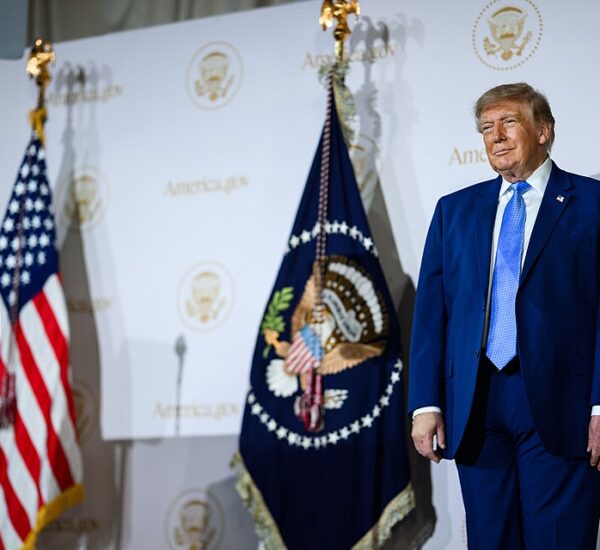
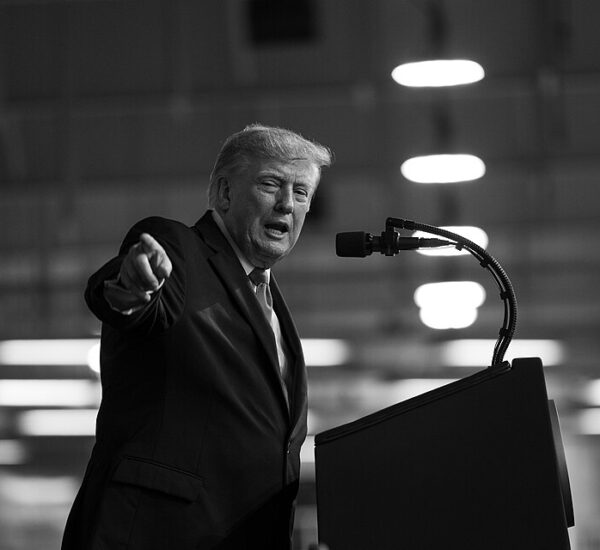
Trump, however, rejected the plan.
The decision leaves the two countries divided over the terms necessary to halt the conflict and restore normal shipping through the Strait of Hormuz.
Reports Say U.S. Military Action Could Resume After Midterms
The Wall Street Journal reported that Trump has told aides he expects U.S. bombing of Iran could resume after the November midterm elections.
No final decision on a new military campaign has been publicly announced.
However, the report suggests the administration continues to consider military options if negotiations fail to produce an agreement.
Trump has also repeatedly suggested that the conflict could be resolved after the midterm elections.
That has placed added attention on what Washington may do once voters head to the polls in November.
Strait of Hormuz Is a Major Issue in Negotiations
The Strait of Hormuz has become one of the most important issues in the dispute between Washington and Tehran.
The narrow waterway connects the Persian Gulf with the Gulf of Oman and serves as a vital route for global oil and natural gas shipments.
Any disruption in the strait can affect international energy supplies, oil markets, gasoline prices, and transportation costs.
Iran has offered to reopen the waterway as part of a broader agreement with the United States.
Tehran’s proposal reportedly links reopening the strait to reduced U.S. military pressure and relief from economic restrictions.
That makes the Strait of Hormuz both a military issue and an economic one.
U.S. and Iranian Officials Resume Diplomatic Contacts
American and Iranian officials have also renewed indirect diplomatic discussions during the United Nations General Assembly in New York.
The talks have focused on several major issues, including the conflict itself, the Strait of Hormuz, sanctions, and Iran’s nuclear program.
U.S. envoy Steve Witkoff and Jared Kushner have reportedly participated in discussions involving Iranian Foreign Minister Abbas Araghchi through Qatari mediation.
Secretary of State Marco Rubio said a lengthy meeting mediated by Qatar did not produce a breakthrough.
Iranian officials, however, described the talks as productive and indicated that additional discussions could still take place.
Iran Pushes for Deal Before November Elections
Iranian leaders have made clear that they would prefer to reach an agreement before the U.S. midterm elections.
Iranian President Masoud Pezeshkian has said Tehran wants a deal before Americans vote in November.
Araghchi has also argued that the seven-day ceasefire proposal could provide a path toward reopening the Strait of Hormuz and restarting broader nuclear negotiations.
Washington has not accepted those terms.
The disagreement means both sides remain under pressure to determine whether continued diplomacy can produce a compromise.
Nuclear Talks Remain a Major Part of the Dispute
Iran’s nuclear program remains one of the most difficult issues separating Washington and Tehran.
The United States has long sought restrictions designed to prevent Iran from developing nuclear weapons capabilities.
Iran has maintained that its nuclear program is intended for peaceful purposes.
The latest proposal could reopen negotiations over nuclear restrictions if the two countries first reach an agreement on the current conflict and the Strait of Hormuz.
That makes the ceasefire talks part of a much larger diplomatic dispute.
Oil Prices and Energy Markets Remain at Risk
The conflict also carries major economic consequences.
Because the Strait of Hormuz is a key route for global energy shipments, prolonged disruptions can place pressure on international oil supplies.
Higher oil prices can eventually affect gasoline costs, airline travel, shipping expenses, manufacturing, and household budgets.
That means the outcome of negotiations between the United States and Iran could have consequences well beyond the Middle East.
American consumers and businesses will be watching closely for any developments that could affect energy markets.
Trump Keeps Military and Diplomatic Options Open
Trump has continued to signal that he believes an agreement remains possible.
At the same time, the administration has not ruled out additional military action.
That strategy leaves Washington pursuing two tracks at once: diplomatic negotiations on one side and continued military pressure on the other.
Whether that approach produces an agreement remains uncertain.
Much will depend on whether Iran is willing to revise its demands and whether Washington is prepared to offer concessions involving sanctions or military restrictions.
What Happens Next Between the U.S. and Iran?
The next stage of negotiations could determine whether the conflict moves toward a diplomatic settlement or another period of military escalation.
Several major questions remain unresolved.
Will Iran modify its seven-day ceasefire proposal?
Will the United States consider limited sanctions relief?
Can the Strait of Hormuz reopen without a broader political agreement?
And can Washington and Tehran restart meaningful negotiations over Iran’s nuclear program?
For now, both sides remain far apart on key issues.
The coming weeks could determine whether diplomacy gains momentum or whether military tensions rise again after the November midterm elections.
Why This Matters for Americans
Although the conflict is thousands of miles from the United States, its economic effects can reach American households quickly.
Oil markets, gasoline prices, shipping costs, and global trade are all connected to stability in the Persian Gulf.
A lasting agreement could ease pressure on energy markets.
A renewed military confrontation could create additional uncertainty.
That is why negotiations involving the Strait of Hormuz, Iran’s nuclear program, and U.S. sanctions remain important not only for foreign policy but also for the broader economy.