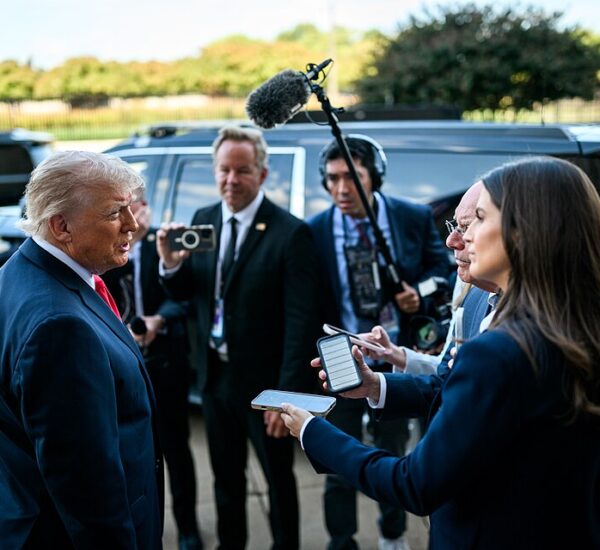
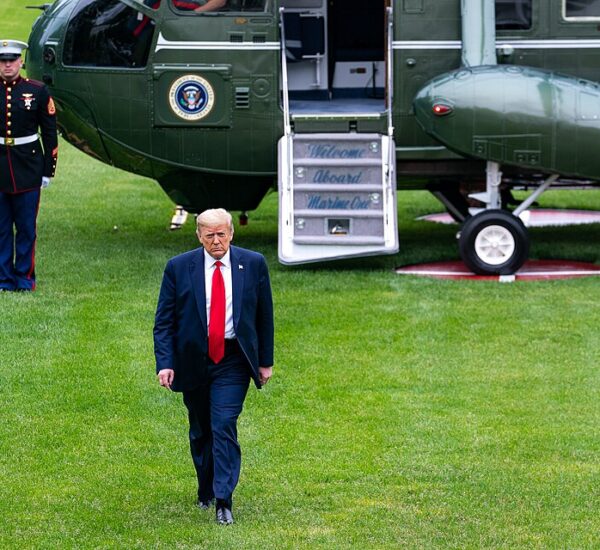
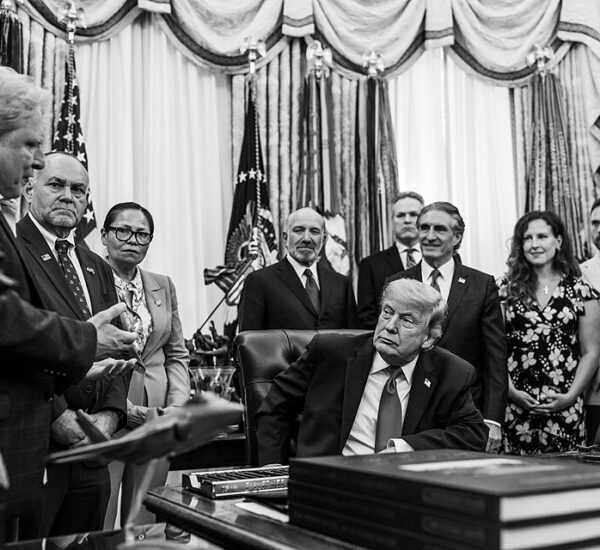
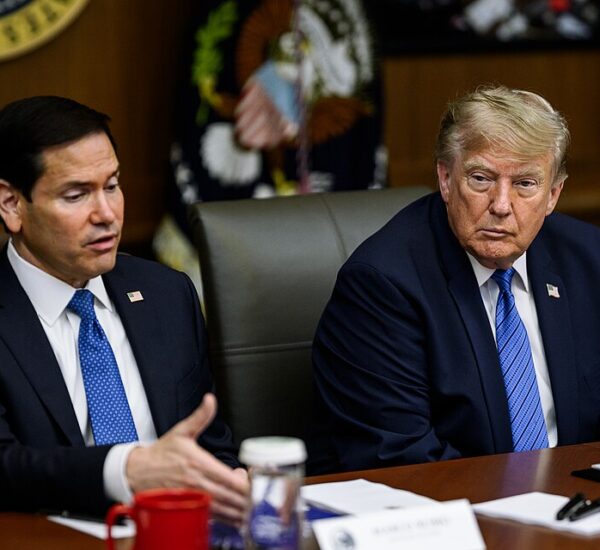
President Trump marked Father’s Day on Sunday with a post on Truth Social highlighting his view of the nation’s current performance. In the message, he pointed to what he described as “record jobs numbers and stock market” gains, calling it the “BEST ECONOMY EVER” and stating that the United States is “WINNING on all fronts.” He also referenced what he called the “greatest military in the world, by far,” and closed his remarks with an expression of gratitude and support for the country.
BACKGROUND:
Trump reentered office in 2025 after campaigning on a promise to bring down inflation and improve economic conditions. Since returning to office, his economic messaging has continued to focus on strength in jobs, markets, and overall national performance. At the same time, Americans have largely expressed disapproval of his handling of the economy and his approach to inflation, according to the provided facts. His Father’s Day post comes against that broader backdrop of competing narratives around economic conditions and public sentiment.
Trump Tears Into NY Times
President Donald Trump blasted The New York Times on Sunday after the newspaper published an analysis suggesting that nearly four months of conflict with Iran produced little meaningful change.
The president strongly disagreed.
In a lengthy Truth Social post, Trump argued that the war severely damaged Iran’s military capabilities, weakened its economy, and improved America’s strategic position in the Middle East.
Responding to a Times headline that asked what had changed after months of fighting, Trump listed what he called a long list of major victories.
“Their Military is DONE, their Navy is GONE, their Air Force is GONE,” Trump wrote, adding that Iran’s missile infrastructure, drone production facilities, and key military leadership had been devastated during the conflict.
Trump also pointed to Iran’s economic troubles, including soaring inflation, financial instability, and reports that government forces have struggled to meet payroll obligations.
Trump Says Results Are Impossible To Ignore
While critics continue to debate the long-term outcome of the war, Trump argued that the facts speak for themselves.
According to the president, Iran emerged from the conflict significantly weaker, while the United States maintained economic strength and energy security.
Trump highlighted continued shipping through the Strait of Hormuz, one of the world’s most important energy corridors, as evidence that American objectives were achieved.
He also pointed to a strong labor market and stock market performance as signs that the United States remains on solid footing despite months of instability in the Middle East.
New York Times Questions The Outcome
The New York Times analysis took a different view.
The report argued that although Iran’s nuclear infrastructure suffered major damage, the country’s nuclear program was not completely eliminated.
The newspaper also noted that Iran’s ballistic missile capabilities remain largely intact and that the ruling government survived despite leadership shakeups during the conflict.
According to the analysis, Iranian-backed groups continue operating across the region, creating ongoing security concerns for U.S. allies and regional governments.
Fighting involving Hezbollah and Israel has also continued despite diplomatic agreements intended to reduce tensions.
Why The Strait Of Hormuz Matters
One of the most important issues in the agreement involves the Strait of Hormuz.
The narrow waterway serves as a critical route for global oil shipments, with roughly one-fifth of the world’s oil supply moving through the corridor.
For American families, any disruption can translate into higher gasoline prices, increased transportation costs, and additional inflation pressure.
That is why developments involving the Strait remain closely watched by energy markets, investors, and policymakers around the world.
Recent reports raised new concerns after Iranian officials suggested they could again restrict access to the strategic passage.
Those reports emerged as Tehran accused the United States of failing to stop continued violence involving Iranian-backed groups in Lebanon.
Vance Defends Trump’s Strategy
Vice President JD Vance defended the administration’s approach and argued that diplomacy backed by strength remains the best path forward.
Vance said economic incentives could encourage Iran to change course after decades of hostility toward the United States and its allies.
He acknowledged that success is not guaranteed but argued that pursuing peace while maintaining leverage is preferable to endless conflict.
Critics Remain Skeptical
Not everyone is convinced.
Several foreign policy experts have warned that easing sanctions and granting economic relief could reduce America’s leverage over Iran in future negotiations.
Others argue that conflicts in the Middle East often produce temporary pauses rather than lasting solutions.
Still, supporters of the administration point to widespread destruction of Iran’s military infrastructure, economic hardship inside the country, and the reopening of vital shipping routes as evidence that the campaign achieved significant results.
The Bottom Line
The debate over the Iran conflict ultimately comes down to one question: Was America better off after nearly four months of war?
Trump says the answer is obvious.
His administration points to a weakened Iranian military, a struggling Iranian economy, and continued access to one of the world’s most important oil routes.
Critics argue that many of the underlying challenges remain unresolved.
As tensions continue across the Middle East, voters will likely decide for themselves whether the conflict delivered the results the White House promised.