
Wow! Nobody expected to see this.
TMZ founder Harvey Levin is calling out a political habit that has frustrated American voters for years: politicians refusing to answer difficult questions and hoping nobody notices.
This time, Levin aimed much of his criticism at Democrats, arguing that candidates too often respond to uncomfortable questions about their own policies by changing the subject and attacking President Donald Trump.
For voters who simply want to know where candidates stand on taxes, government spending, health care, immigration, public safety and other major issues, Levin’s message was straightforward: answer the question.
“How are politicians so dumb that they don’t think we can see right through them?” Levin asked in a video posted Thursday.
His criticism comes as Democrats face an increasingly visible debate over the future direction of their party — and whether moderate candidates or the party’s socialist and progressive wing will have greater influence heading into the November elections.
Harvey Levin Takes Aim At Democratic Talking Points
Levin pointed to several recent Democratic primaries while making his case.
In Michigan, Abdul El-Sayed scored a major victory over Rep. Haley Stevens in the Democratic U.S. Senate primary. El-Sayed’s victory represented an important win for the party’s progressive wing.
Wisconsin produced a different result.
Milwaukee County Executive David Crowley, viewed as the more moderate candidate, narrowly defeated Democratic Socialist Francesca Hong in the Democratic gubernatorial primary.
Those results highlight a larger question Democrats will have to answer: How far to the left does the party want to move?
Levin believes politicians should stop dancing around that question.
He argued that candidates who strongly embraced socialist ideas during primary campaigns can suddenly become more cautious when trying to win over mainstream Democratic voters. Moderate Democrats, meanwhile, may soften their opposition to those same ideas when they need support from voters on the left.
To Levin, that is exactly the kind of political maneuvering that leaves Americans wondering what candidates actually believe.
Levin Says Democrats Should Be Clear About Socialism
Levin also took issue with political labels.
He argued that “progressive” has become such a broad term that it doesn’t necessarily tell voters much about a candidate’s actual ideology.
His position was that politicians on the socialist wing of the Democratic Party should be willing to identify their beliefs plainly rather than relying on terminology that may sound more politically acceptable.
Whether voters agree with those policies isn’t Levin’s central point.
His argument is that Americans deserve to know precisely what candidates are proposing before deciding whether to support them.
That’s especially important when debates involve policies that could directly affect household budgets, taxes, retirement savings, health care costs and the overall size of government.
For Americans over 50 who have watched political promises come and go under administrations from both parties, the frustration Levin described may sound familiar.
Politicians frequently campaign on bold promises. Once the questions become more specific, however, the answers can become considerably less clear.
Trump Becomes An Easy Escape Route
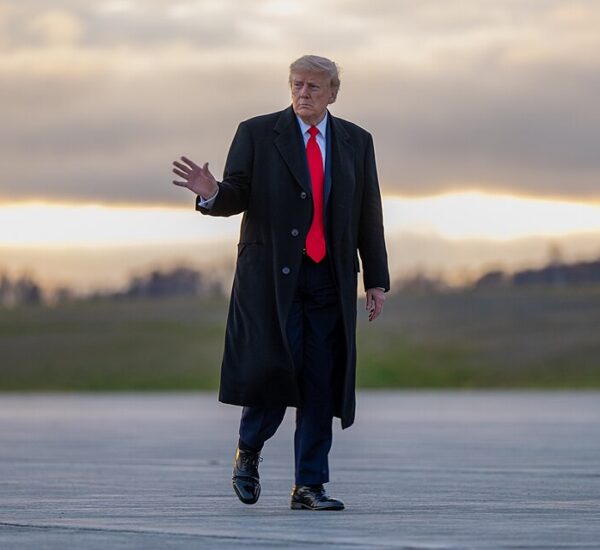
Levin then turned to President Trump.
According to Levin, Democrats frequently respond to difficult questions about their own positions by shifting the discussion toward Trump.
Trump is obviously a major political figure, and Democrats have every right to challenge his policies and record.
But Levin’s complaint was different.
He argued that criticizing Trump shouldn’t become a substitute for explaining what Democrats themselves intend to do.
When a politician is asked about taxes, voters deserve an answer about taxes.
When the question concerns government spending, Americans deserve to hear the candidate’s position on spending.
When candidates are questioned about affordability, immigration, crime or health care, voters should be able to determine what policies those candidates would actually support.
Changing the subject to Trump may provide a convenient escape from an uncomfortable interview, but Levin believes Americans recognize the maneuver.
Political Consultants Are Part Of The Problem
Levin also placed some responsibility on the political consulting industry.
Candidates spend enormous amounts of time preparing for interviews, debates and campaign appearances. Consultants help them develop carefully tested messages designed to appeal to particular groups of voters.
That isn’t necessarily unusual or improper. Every serious campaign wants its candidate prepared.
The problem begins when preparation becomes evasion.
Levin argued that politicians are often armed with talking points specifically designed to steer them away from subjects that could anger an important voting bloc.
Instead of answering a potentially damaging question directly, the candidate pivots toward safer territory.
The interview moves forward, but the original question remains unanswered.
Levin believes voters notice.
Why Voters Are Tired Of Political Evasion
Levin has interviewed numerous politicians during his career and said he has repeatedly encountered public officials who simply refuse to answer legitimate questions.
Journalists can press them repeatedly, but eventually an interview has to continue.
Politicians may interpret that as a successful escape.
The audience may see it very differently.
When someone repeatedly refuses to provide a direct answer, voters are left wondering why.
What doesn’t the politician want Americans to know?
That question can become more damaging than an uncomfortable answer would have been in the first place.
It also helps explain why trust in politicians can be so difficult to maintain.
Americans don’t necessarily expect elected officials to agree with them on every issue. They do, however, expect candidates seeking their votes to tell them what they believe.
Levin Didn’t Let Republicans Off The Hook
Despite directing much of his criticism toward Democrats, Levin made an important qualification: Republicans do it too.
He specifically mentioned affordability, arguing that Republican politicians can also provide answers that he considers evasive when questioned about the financial pressures facing American families.
That makes Levin’s broader argument more significant than a simple partisan attack.
His message wasn’t that Republicans should escape scrutiny while Democrats face difficult questions.
It was that both parties should answer to the American people.
Republicans should have to defend their policies.
Democrats should have to defend theirs.
And neither side should be able to substitute attacks on the opposition for an explanation of what it intends to accomplish.
Democrats Face A Bigger Question Heading Into November
For Democrats, however, Levin’s criticism arrives during an important period.
Recent primaries have demonstrated that the battle between the party’s moderate and socialist-progressive factions remains very much alive.
El-Sayed’s Michigan victory showed that progressive candidates can win significant statewide Democratic contests.
Crowley’s narrow victory over Hong in Wisconsin showed that moderate Democrats remain competitive as well.
Now comes the difficult part.
Candidates who survive the primaries must appeal to a much broader electorate in November, including independents and voters who may not closely identify with either political party.
That makes questions about policy harder to avoid.
Voters will want to know where candidates stand on the economy, inflation, taxes, energy, immigration, crime, health care and federal spending.
Simply reminding Americans that Democrats oppose Trump may not be enough.
Americans Deserve Straight Answers
Levin’s criticism ultimately goes beyond Trump, Democrats or Republicans.
It’s about accountability.
A candidate asking Americans for the power to write laws, spend taxpayer money and make decisions affecting millions of families should be prepared to explain what he or she intends to do with that power.
Voters shouldn’t need to decode campaign language to figure it out.
If a Democrat supports socialist economic policies, explain them and defend them.
If a moderate Democrat believes those proposals go too far, explain why.
If Republicans believe their economic agenda will make everyday life more affordable, they should explain exactly how.
And when politicians are asked difficult questions, attacking the other party isn’t an answer.
Levin’s warning is one Washington politicians would be wise to remember:
American voters are paying attention — and they know when someone is dodging the question.
Says a guy whose website is full of anti-Trump articles.