
Trump Declares Victory
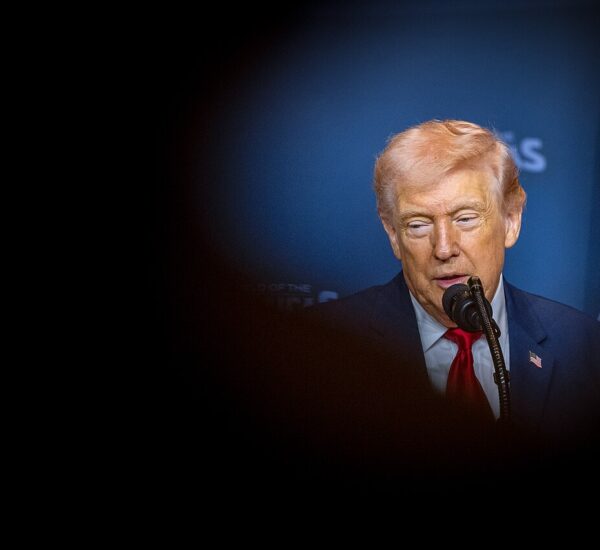
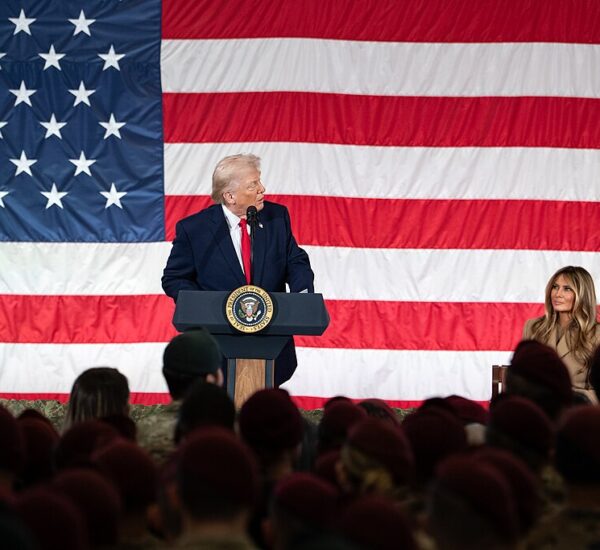
President Donald Trump said inflation has been “defeated” during a speech Tuesday at the Detroit Economic Club, even as new government data showed consumer prices rising 2.7 percent over the past year.
The comments come as Republicans prepare for the upcoming midterm elections and continue working to address voter concerns about the cost of food, energy, housing, and other everyday expenses.
Speaking for about 45 minutes in Michigan — a critical swing state Trump carried in the 2024 election — the president argued that his administration inherited a weakened economy from former President Joe Biden and moved quickly to stabilize it.
Trump said Biden left behind what he described as a “stagflation crisis,” but claimed his administration reversed that trend through aggressive policy changes.
Supporters of the president say recent economic data shows progress, though challenges remain.
Inflation Data Shows Improvement, But Prices Remain Elevated
According to the latest report, inflation stood at 2.7 percent in December 2025 — roughly the same level seen when Trump won reelection in November 2024. The figure remains above the Federal Reserve’s long-term target of 2 percent.
Higher prices for groceries, energy, housing, and services continue to weigh on household budgets, particularly for retirees and working families on fixed incomes.
White House officials argue recent trends point toward further improvement. National Economic Council Director Kevin Hassett said the most recent inflation data is encouraging.
He noted that core inflation over the past three months has run at an annualized rate of 1.6 percent, which is below the Federal Reserve’s target and suggests inflation may continue to cool.
Critics Question Sustainability of Inflation Declines
Some economists aligned with the previous administration remain skeptical, arguing that recent inflation readings may understate ongoing pressures.
Former Biden economic adviser Alex Jacquez said temporary factors, including disruptions from the government shutdown, may have lowered certain inflation components, such as housing costs.
Jacquez argued inflation could still be closer to 2.8 percent and said progress has been slower than many Americans would like.
Other analysts disagree. Steven Kamin, a senior fellow at the American Enterprise Institute, said the data reinforces the view that inflation is largely under control.
Kamin also noted that Trump’s tariffs appear to have had a smaller inflationary impact than initially predicted, as companies absorbed costs and final tariff rates came in lower than expected.
Job Growth Slows, But Economy Shows Mixed Signals
The labor market showed signs of slowing in 2025, with the U.S. adding an average of 49,000 jobs per month — the weakest non-recession year since 2003.
Unemployment rose modestly from 4 percent at the beginning of the year to 4.5 percent by December, though the rate remains historically low.
Several industries targeted by Trump’s trade and manufacturing policies — including construction, manufacturing, mining, and logging — experienced flat or modest job losses during the year.
The administration has emphasized net job gains among U.S.-born workers as a positive development. Some economists caution that population data revisions could affect those figures.
Economic Growth, Markets, and Mortgage Rates Offer Bright Spots
Despite inflation and hiring concerns, broader economic indicators showed notable strength.
Gross domestic product grew at a 4.3 percent annualized rate in the third quarter of 2025, exceeding most forecasts and defying predictions of a sharp tariff-related slowdown.
The stock market also reached record highs, driven in part by major investment in artificial intelligence data centers and domestic infrastructure.
Mortgage rates dropped below 6 percent this week for the first time in years. The White House credited the decline to federal purchases of mortgage-backed securities aimed at easing borrowing costs.
Affordability Set to Dominate Midterm Debate
Affordability remains a central political issue heading into the midterms. Democrats have made rising prices a focal point in several recent elections and say they plan to continue pressing the issue.
Republicans argue that inflation surged under Biden and that Trump’s policies are gradually restoring economic stability.
Conservative leaders point to legislation such as the One Big Beautiful Bill Act as part of a broader effort to rein in spending, reduce inflation, and strengthen long-term growth.
With economic data sending mixed signals, both parties are expected to keep the spotlight on inflation and affordability as voters head toward the next election cycle.

“Should Trump’s Minneapolis ICE Officer Face Charges?”
ABSOLUTELY NOT!!!!!
those who SHOULD face charges include, but are not limited to:
tim walz (the governor)
the mayor of minneapolis
ALL the demonstrators who have resorted to violence and obstruction
any/all organizations that are footing the bill for allowing these people to demonstrate. people demonstrating is not the issue here, what IS the issue are companies/foundations that are PAYING people to demonstrate as well as any who do so in a violent manner.
He suffered injuries from the auto attack on his person.